


For generations, sticky rice has been at the heart of Thailand’s culinary heritage, woven into family traditions, cultural ceremonies and regional cuisines from the northern highlands to the southern provinces. While polished white glutinous rice has long been the staple served at countless dining tables, another native grain has quietly emerged from the shadows to capture the attention of scientists, nutritionists and health-conscious consumers around the world. Thai black glutinous rice, recognized by its striking purple-black appearance and distinctive nutty flavor, is now being celebrated not merely as a traditional delicacy but as one of Thailand’s most valuable natural functional foods.
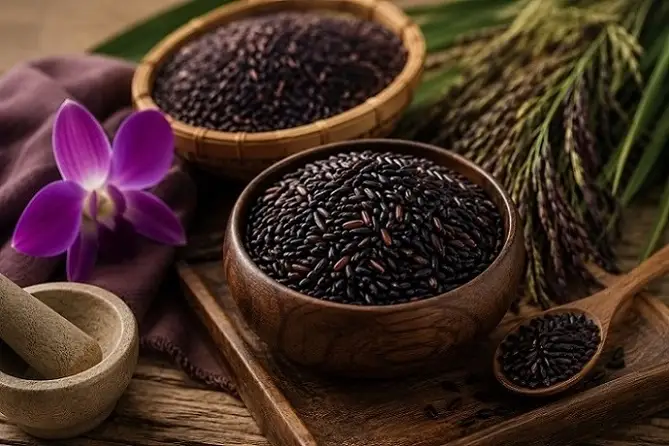
Image Credit: Thailand Wellness News
The growing international interest in Thai black glutinous rice is being fueled by a wave of scientific discoveries revealing its remarkable nutritional profile and potential role in supporting long-term health. Researchers continue to uncover evidence that indigenous cultivars such as Khao Kam, Khao Luem Phua and several other regional varieties contain an impressive concentration of naturally occurring bioactive compounds linked with protection against chronic disease. This Thailand Wellness News report examines how a grain once associated mainly with traditional Thai desserts is becoming a symbol of preventive healthcare and modern wellness.
Ancient Grain Meets Modern Science
For centuries, farmers across northern Thailand cultivated black glutinous rice for local consumption, festive occasions and ceremonial offerings. Unlike commercially dominant white rice, these richly colored grains retained their outer bran layer, preserving an abundance of nutrients that modern food processing often removes.
Only in recent decades has nutritional science begun to appreciate the extraordinary value hidden within these dark grains. Advances in laboratory analysis have demonstrated that the characteristic deep purple and black coloring is not simply cosmetic. Instead, it serves as a visual indicator of an exceptionally rich concentration of phytochemicals that plants naturally produce to defend themselves against environmental stress, pests and ultraviolet radiation.
Remarkably, many of these same compounds appear to offer significant health benefits when consumed as part of a balanced human diet. Their antioxidant and anti-inflammatory activities have attracted researchers investigating nutritional approaches to combating obesity, diabetes, cardiovascular disease and age-related disorders.
Nature’s Powerful Protective Chemistry
The intense pigmentation found in Thai black glutinous rice is primarily produced by anthocyanins, a family of naturally occurring plant pigments also responsible for the vibrant colors of blueberries, blackberries, purple grapes and acai berries. However, studies have shown that certain Thai rice cultivars contain anthocyanin concentrations that rival or even exceed many internationally recognized superfoods.
Among the most abundant anthocyanins identified are cyanidin-3-glucoside and peonidin-3-glucoside. These compounds function as powerful antioxidants, helping neutralize unstable free radicals that contribute to oxidative stress within the body. Oxidative stress has long been associated with accelerated ageing, tissue damage and the development of numerous chronic illnesses.
Scientists explain that antioxidants work by interrupting destructive chain reactions that damage DNA, proteins and cellular membranes. By limiting this damage, anthocyanins may help preserve healthy cellular function throughout the body.
Yet anthocyanins represent only one component of an exceptionally sophisticated nutritional profile.
Researchers have also identified substantial quantities of phenolic acids, including ferulic acid and caffeic acid, alongside an array of beneficial flavonoids.
Collectively, these naturally occurring compounds appear to support healthy inflammatory responses while assisting the body’s own repair mechanisms.
In addition, Thai black glutinous rice contains gamma-oryzanol, a compound unique to rice that has become increasingly popular in nutritional research because of its potential effects on cholesterol metabolism and cardiovascular protection. Working together with naturally occurring vitamin E compounds, including tocopherols and tocotrienols, gamma-oryzanol helps protect delicate lipid membranes from oxidative damage while supporting overall metabolic health.
Why Whole Grains Matter
One reason nutrition experts encourage consumers to choose whole-grain black rice instead of heavily polished alternatives lies in the distribution of these valuable nutrients.
The majority of beneficial phytochemicals are concentrated within the bran and germ, precisely the layers removed during conventional rice polishing. By preserving these outer layers, black glutinous rice delivers significantly higher levels of dietary fiber, essential minerals and bioactive compounds than refined white rice.
Dietitians increasingly recommend incorporating a variety of whole grains into everyday meals, not simply to increase fiber intake but also to diversify the spectrum of protective plant chemicals available to the body.
Addressing Modern Lifestyle Diseases
Across Thailand and many other nations, healthcare professionals continue to witness alarming increases in obesity, Type 2 diabetes, hypertension and cardiovascular disease. Sedentary lifestyles, processed foods and excessive sugar consumption have contributed significantly to this growing public health challenge.
Against this backdrop, functional foods capable of supporting healthier metabolism have become an area of intense scientific interest.
Emerging studies involving Thai black glutinous rice have produced particularly encouraging findings regarding blood sugar regulation. Unlike conventional white glutinous rice, which typically produces rapid increases in blood glucose levels because of its relatively high glycemic index, several pigmented Thai cultivars demonstrate a markedly different biological behavior.
Laboratory investigations involving Khao Luem Phua, suggest that extracts from the grain possess inhibitory activity against digestive enzymes known as alpha-amylase and alpha-glucosidase. These enzymes normally break down complex carbohydrates into simple sugars.
By slowing this digestive process, the release of glucose into the bloodstream may occur more gradually, reducing sharp spikes in blood sugar and potentially easing the burden placed upon insulin-producing pancreatic cells. Although researchers caution that black rice is not a treatment for diabetes, these findings suggest it could become a valuable component of dietary strategies designed to improve metabolic health when combined with balanced nutrition and regular physical activity.
Supporting Cardiovascular Health
Heart disease remains among the world’s leading causes of death, making nutritional prevention an increasingly important area of medical research.
Scientists believe that several compounds found in Thai black glutinous rice may work together to support cardiovascular wellbeing through multiple complementary pathways.
Anthocyanins appear capable of reducing oxidation of low-density lipoprotein (LDL) cholesterol, commonly referred to as “bad cholesterol.” Oxidized LDL plays a critical role in the formation of arterial plaque, which gradually narrows blood vessels and increases the risk of heart attack and stroke.
Meanwhile, gamma-oryzanol has demonstrated potential to influence cholesterol metabolism, while antioxidant vitamin E compounds provide additional protection against lipid oxidation.
Some studies further indicate that anthocyanins may help stimulate nitric oxide production within blood vessel walls. Nitric oxide promotes relaxation of the vascular system, encouraging healthy circulation and contributing to the maintenance of normal blood pressure.
Although these mechanisms continue to be investigated, the cumulative evidence reinforces the value of incorporating naturally antioxidant-rich whole foods into a heart-conscious diet.
Fighting Inflammation from Within
Medical researchers increasingly describe chronic low-grade inflammation as a hidden driver behind numerous non-communicable diseases, including arthritis, metabolic syndrome, cardiovascular disease and certain cancers.
Unlike the short-term inflammation needed to fight infections or heal injuries, chronic inflammation quietly persists for years, gradually damaging healthy tissues.
Thai black glutinous rice appears particularly promising in this area because of its diverse combination of anti-inflammatory phytochemicals.
Experimental studies have demonstrated that anthocyanin-rich extracts may suppress the production of several pro-inflammatory signaling molecules while encouraging the activity of beneficial anti-inflammatory pathways. Such balanced immune modulation may help reduce cumulative tissue damage over time while supporting the body’s natural defense systems.
Researchers emphasize that these findings continue to evolve, but they contribute to a growing body of evidence positioning pigmented rice among the world’s most promising functional whole grains.
Distinct Thai Cultivars Offer Different Wellness Advantages
Thailand is home to several unique black glutinous rice cultivars, each shaped by generations of careful cultivation and the environmental conditions of the regions where they are grown. While all share the characteristic dark pigmentation associated with high antioxidant activity, researchers have found subtle differences in their phytochemical composition that may provide varying health benefits.
Among the most widely recognized is Khao Luem Phua, often translated as “Forgetting Husband Rice.” According to local folklore, the rice earned its memorable name because its rich flavor was so irresistible that a wife became so absorbed in preparing and enjoying it that she forgot to attend to her waiting husband. Today, however, the variety is attracting attention for a very different reason. Scientific investigations have identified strong inhibitory effects against digestive enzymes involved in carbohydrate metabolism, making it one of the most closely studied cultivars for its possible role in supporting healthy blood sugar management.
Another celebrated variety is Khao Kam, frequently referred to as Lanna Purple Rice. Grown extensively in Chiang Mai, Chiang Rai and neighboring northern provinces, this cultivar consistently demonstrates exceptionally high levels of anthocyanins and overall antioxidant capacity. Nutrition researchers believe its rich concentration of natural pigments makes it particularly attractive for individuals seeking foods that help combat oxidative stress associated with ageing and modern lifestyles.
Equally noteworthy is Kamklaing, a traditional cultivar recognized for its elevated concentrations of ferulic acid and caffeic acid. Preliminary studies suggest these naturally occurring compounds may support collagen production, assist tissue repair and contribute to healthy skin function. While further clinical studies are still required, such findings have generated growing interest from both nutrition scientists and the cosmetic wellness industry.
Other indigenous purple and black rice varieties continue to be evaluated by Thai universities and agricultural research centers. Scientists believe the country’s remarkable genetic diversity offers enormous opportunities for future nutritional discoveries, particularly as consumer demand for naturally functional foods continues to expand worldwide.
Thailand’s Growing Superfood Industry
The international wellness market has experienced explosive growth over the past decade, with consumers increasingly seeking foods that deliver benefits beyond basic nutrition. This trend has created valuable opportunities for Thailand’s agricultural sector, particularly among farmers cultivating traditional rice varieties once regarded as niche products.
Export demand for pigmented rice has steadily increased across Europe, North America and parts of Asia, where consumers are embracing whole grains, plant-based diets and antioxidant-rich foods. Premium black rice products now appear in supermarkets, specialty health food stores and upscale restaurants, often marketed alongside quinoa, chia seeds and blueberries as part of the expanding global superfood category.
Food manufacturers have also begun incorporating Thai black rice into breakfast cereals, snack bars, beverages, bakery products, rice crackers and gluten-free flour blends. This diversification allows consumers to enjoy the grain in a variety of convenient forms while simultaneously creating new economic opportunities for Thai producers and food processors.
Agricultural experts believe continued investment in sustainable cultivation practices, quality certification and scientific validation could further strengthen Thailand’s position as a leading supplier of premium functional foods.
A Valuable Addition to Everyday Nutrition
Despite its impressive nutritional credentials, healthcare professionals stress that Thai black glutinous rice should be viewed as part of a balanced dietary pattern rather than as a miracle food.
Like all rice, it provides carbohydrates that supply essential energy for the body’s daily activities. The difference lies in the abundance of fiber, vitamins, minerals and phytochemicals retained within the whole grain, offering nutritional advantages that refined white rice cannot match.
Dietitians recommend pairing black glutinous rice with vegetables, legumes, lean proteins, fish and healthy fats to create balanced meals that promote sustained energy, improved satiety and overall nutritional diversity. Such combinations also help moderate blood sugar responses while providing a broader spectrum of essential nutrients.
Cooking methods can also influence nutritional quality. Gentle steaming or traditional boiling helps preserve many of the grain’s valuable compounds, while excessive processing or polishing diminishes much of its natural phytochemical richness.
As public awareness of preventive healthcare continues to grow, many experts believe whole foods like Thai black glutinous rice will become increasingly important in dietary strategies aimed at reducing the burden of chronic disease.
Looking Ahead
What was once regarded simply as a traditional ingredient for desserts and festive dishes has evolved into one of Thailand’s most scientifically intriguing agricultural treasures. Ongoing research continues to reveal new insights into the remarkable phytochemicals naturally concentrated within these ancient grains, strengthening their reputation as an important component of healthy eating.
Although scientists continue to investigate the precise mechanisms responsible for many of the observed health benefits, the growing body of evidence supports the inclusion of whole-grain Thai black glutinous rice as part of a varied and balanced diet. Its exceptional combination of anthocyanins, phenolic compounds, gamma-oryzanol, vitamin E and dietary fiber offers a compelling example of how traditional foods can contribute to modern preventive healthcare. At the same time, rising international demand presents valuable opportunities for Thai farmers, researchers and food manufacturers to showcase one of the Kingdom’s most distinctive agricultural products on the global stage. As interest in functional nutrition continues to accelerate, Thailand’s ancient purple grains appear well positioned to remain at the forefront of the international wellness movement for many years to come.
References:
https://link.springer.com/article/10.1007/s00217-022-04129-1
https://www.sciencedirect.com/science/article/abs/pii/S1756464613003149
https://www.mdpi.com/2076-3921/10/6/833
https://www.sciencedirect.com/science/article/pii/S1672630824000118
https://www.mdpi.com/1420-3049/24/24/4432
https://li01.tci-thaijo.org/index.php/sdust/article/view/267262
https://agris.fao.org/search/en/providers/122535/records/65dfea9bb766d82b18038245
https://www.sciencedirect.com/science/article/pii/S2772753X25001443
https://www.mdpi.com/2076-3921/11/2/305
https://ift.onlinelibrary.wiley.com/doi/10.1111/1541-4337.70355
https://link.springer.com/article/10.1186/s13065-018-0382-9
https://linkinghub.elsevier.com/retrieve/pii/S0308814617311457
https://academic.oup.com/nutritionreviews/article-abstract/73/6/348/1845798
https://link.springer.com/article/10.1186/s12967-016-1076-5
https://www.mdpi.com/2072-6643/9/10/1089
https://onlinelibrary.wiley.com/doi/10.1155/2017/2740364
https://www.mdpi.com/2072-6643/10/7/950
https://www.nature.com/articles/s41467-019-11622-x
https://www.jstage.jst.go.jp/article/bpb/40/11/40_b17-00239/_article
https://pubmed.ncbi.nlm.nih.gov/17468073
https://linkinghub.elsevier.com/retrieve/pii/S0002916523265429
https://www.sciencedirect.com/science/article/pii/S0022316622138149
https://www.spandidos-publications.com/10.3892/ijmm.2017.3183
https://www.mdpi.com/2072-6643/10/9/1321
https://www.mdpi.com/2072-6643/9/2/120
https://vetsci.org/DOIx.php?id=10.4142/jvs.2013.14.3.345
https://linkinghub.elsevier.com/retrieve/pii/S0271531707002874
https://cmuj.cmu.ac.th/nlsc/journal/article/598
For the latest wellness discoveries in Thailand, keep on logging to Thailand Wellness News.