Thailand’s ambition to become a global destination for preventive healthcare, longevity medicine, and medical tourism could receive a significant boost through closer cooperation with Russia’s biotechnology and healthcare industries. Discussions at the Russian-Thai Investment Forum 2026 in Bangkok highlighted opportunities to combine Russian expertise in biomedical research, advanced diagnostics, pharmaceuticals, medical devices, and digital healthcare with Thailand’s established hospital networks, wellness resorts, and hospitality infrastructure.
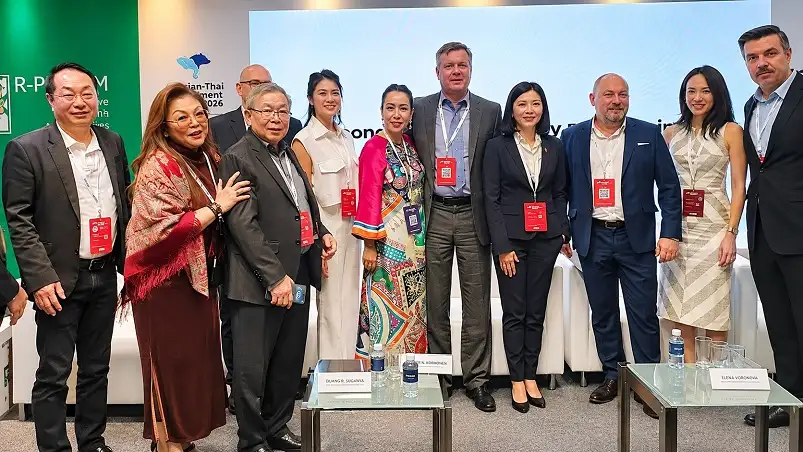
Image Credit: Thailand Wellness News
The discussions, held on October 31st, brought together physicians, researchers, entrepreneurs, and property developers seeking to redefine how people approach aging and long-term health. Rather than concentrating exclusively on treating diseases or extending lifespan, participants emphasized maintaining physical independence, cognitive function, and overall well-being throughout adulthood. Importantly, this Thailand Wellness News report examines how Russian technological capabilities could help Thailand develop a more sophisticated wellness ecosystem, attracting international visitors seeking scientifically supported preventive healthcare and personalized medical services.
A New Vision for Thailand’s Longevity Economy
The forum session, titled “Economics of Longevity & Well-Being: People, Technologies & Environment,” explored how medical innovation could transform Thailand into a regional center for healthy aging.
Moderator Cristina Amor Maclang, co-founder and managing partner of BIO-T, encouraged Thailand to position itself as a gateway for wellness innovation throughout Southeast Asia.
Neurologist Dr. Evgeny Bugorskiy, chief physician at Russia’s Rehaline Rehabilitation Center, emphasized the difference between lifespan and health span, referring to the years individuals remain healthy and functionally independent.
He highlighted dementia prevention as an important opportunity, noting that approximately 45 percent of dementia cases could potentially be prevented or delayed by addressing 14 modifiable risk factors identified by the Lancet Commission.
These include hypertension, diabetes, hearing impairment, physical inactivity, and social isolation.
Bugorskiy also discussed noninvasive nerve stimulation combined with physical exercise and cognitive rehabilitation. Such approaches could potentially strengthen Thailand’s neurological rehabilitation services, although their effectiveness depends on the specific technology, clinical indication, and supporting evidence.
Russian Diagnostic Technologies Could Strengthen Preventive Healthcare
One particularly promising collaboration involves advanced medical diagnostics.
Russia has developed capabilities in medical imaging, laboratory diagnostics, artificial intelligence, molecular biology, and computational healthcare. These fields offer opportunities for Thai hospitals seeking to identify diseases earlier and personalize treatment.
Artificial intelligence systems designed to assist radiologists could support the interpretation of CT scans, magnetic resonance imaging, and other diagnostic images. Potential applications include detecting suspicious lung abnormalities, identifying neurological changes, and improving clinical workflow.
Russian expertise in molecular diagnostics and genetic research could also complement Thailand’s expanding precision medicine sector.
Such collaboration could support cancer-risk assessment, inherited disease screening, pharmacogenomics, and selected biomarkers associated with metabolic disorders.
However, genomic and epigenetic testing should be clinically validated, and claims about predicting biological age or preventing disease require careful scientific scrutiny.
Dr. Jira Thawornpradit, assistant director of BDMS Wellness Clinic, explained that comprehensive assessments covering brain, gastrointestinal, and general health could provide the foundation for individualized wellness programs.
She described BDMS initiatives involving genomic assessments, epigenetic testing, and continuing medical follow-up.
Pharmaceuticals and Biotechnology Offer Major Opportunities
Beyond diagnostics, Russian pharmaceutical research could create additional opportunities for Thailand’s healthcare and biotechnology industries.
The forum’s separate session, “Medicine and Pharma of the Future: Technologies for Life,” identified innovative medicines, vaccines, nuclear medicine, oncology diagnostics, and potential joint clinical trials as important areas for bilateral cooperation.
Russian pharmaceutical companies including R-Pharm, Geropharm, and Promomed were identified in the official forum program as participants or prospective participants in discussions.
Potential collaboration could involve biotechnology manufacturing, pharmaceutical formulation, research partnerships, and the development of treatments for chronic diseases.
Russian research involving therapeutic cancer vaccines and other immunological approaches may offer future opportunities for clinical investigation. Nevertheless, experimental cancer vaccines should not be confused with established, approved cancer treatments.
For Thailand, properly designed joint clinical trials could strengthen domestic research capacity while providing opportunities to evaluate emerging therapies under recognized ethical and regulatory standards.
Technology transfer and localized pharmaceutical manufacturing could additionally help develop specialized expertise among Thai scientists, pharmacists, and biomedical engineers.
These opportunities remain exploratory rather than confirmed commercial agreements.
Medical Devices and Rehabilitation Innovation
Russian engineering and medical technology development could also contribute to Thailand’s rehabilitation and elderly-care industries.
Potential applications include robotic rehabilitation equipment, neurological stimulation systems, wearable monitoring devices, telemedicine platforms, and technologies supporting patients recovering from strokes or musculoskeletal injuries.
Combining appropriate rehabilitation devices with Thailand’s established physiotherapy services could create specialized programs for international patients.
Remote monitoring systems could help physicians follow patients after hospital discharge, particularly individuals managing cardiovascular disease, diabetes, or mobility limitations.
Thailand could also explore collaborative research involving portable diagnostic equipment, laboratory instruments, and assistive technologies designed for aging populations.
Successful implementation would require independent performance evaluations, clinician training, reliable maintenance arrangements, and appropriate Thai regulatory authorization.
Digital Health Records and Personalized Medicine
Another major opportunity involves integrating fragmented medical information into coordinated digital healthcare systems.
Nikolas Monte, representing the Russian Industry Union of Manufacturers and Entrepreneurs “Beauty and Health of the Nation,” presented digital patient and physician avatars intended to consolidate medical information.
He described testing activities in Moscow, Qatar, Oman, and Dubai.
For Thailand, comparable systems could potentially connect hospital records, laboratory results, wearable-device measurements, and preventive healthcare recommendations.
Such integration could be particularly valuable for international wellness travelers receiving treatment across multiple clinics.
Nevertheless, patient consent, cybersecurity, medical accountability, and compliance with Thailand’s personal data protection requirements would be essential.
Russian Supplements and Nutraceutical Research
Russia’s experience researching botanicals, natural compounds, and nutritional formulations presents another possible avenue for cooperation.
Sergei Gorbunov, managing director of Siberian Wellness, described supplements developed using plants adapted to Siberia’s demanding environmental conditions.
He also discussed products tailored for Thai consumers, including a blood-sugar-related supplement that he said had received Thai FDA approval.
Thailand already possesses substantial expertise in medicinal plants, functional foods, and traditional herbal formulations.
Combining Thai botanical resources with Russian analytical techniques and formulation research could support new nutraceutical products for regional markets.
Joint investigations might examine ingredient stability, bioavailability, safety, and clinically meaningful health outcomes.
Importantly, regulatory authorization for a supplement does not establish that it treats diabetes or other diseases. Health claims must remain consistent with credible evidence and applicable regulations.
Wellness Residences Could Transform Medical Tourism
Forum participants also explored how healthcare could become an integrated component of residential development.
Proudputh Liptapanlop, executive director of Proud Real Estate, described a Bangkok residential project connecting occupants with nearby BDMS medical services.
Residents could receive medical consultations, prescription deliveries, and access to facilities monitoring cognitive and physical well-being.
Meanwhile, Dr. Panya Boonyapiwat of Begistics discussed leasehold wellness villas in Phuket targeting long-stay Russian visitors.
These developments could create opportunities for residential communities combining preventive assessments, rehabilitation, nutritional counseling, and continuous medical supervision.
Such projects could also encourage longer stays and diversify Thailand’s medical tourism economy beyond conventional hospital treatment.
Insurance Innovation and Regional Investment
Insurance technology represents another emerging component of the proposed wellness ecosystem.
Grigory Vasiltsov, founder of PAYG.INSURE, outlined an activity-based insurance model activated through smartwatch technology.
The approach allows coverage to operate during selected activities, with charges calculated according to usage.
He expressed interest in partnerships involving Thai insurers, financial institutions, healthcare providers, and digital platforms.
Broader cooperation could help develop preventive healthcare packages linking medical assessments, insurance incentives, and ongoing wellness services.
However, insurers would need to address consumer protection, pricing transparency, data privacy, and equitable access.
Building a Sustainable International Wellness Hub
Thailand’s greatest opportunity lies in connecting these technological developments with its existing healthcare and hospitality strengths.
Russian advances in diagnostics, pharmaceutical research, biotechnology, rehabilitation equipment, and digital health could complement Thai clinical expertise while encouraging research investment and specialized employment.
The Russian-Thai Investment Forum, held from October 29th to 31st, established a platform for discussing such possibilities, but no comprehensive longevity partnership was formally announced during the wellness panel.
Meaningful progress will depend on clinical validation, regulatory cooperation, affordable services, and carefully monitored pilot programs. If both countries can translate their discussions into responsible scientific partnerships, Thailand could strengthen its international reputation as a destination where medical innovation, preventive healthcare, and hospitality work together to support healthier lives.