

Thailand is turning to one of its most recognizable cultural strengths—its cuisine—as it seeks a larger share of the rapidly expanding global wellness economy. The Department of Thai Traditional and Alternative Medicine is promoting its “Thai Food, Good Health” concept as a way to transform familiar Thai ingredients, culinary traditions, and traditional health knowledge into products and services for increasingly health-conscious consumers worldwide.
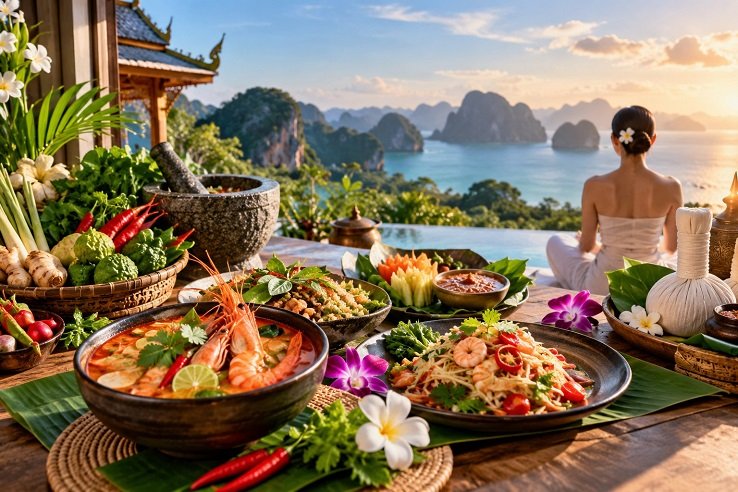
Image Credit: Thailand Wellness News
The initiative will be given international exposure at the Global Wellness Summit 2026 (GWS 2026) in Phuket, where it was selected as one of four highlight exhibition experiences that will be showcasing Thailand’s wellness potential.
Announced by the Department of Thai Traditional and Alternative Medicine under the Ministry of Public Health on October 6, the program aims to connect Thai culinary soft power with new commercial opportunities. Significantly, this Thailand Wellness News report highlights how officials are looking beyond simply promoting Thai dishes overseas and instead envisioning an interconnected market encompassing nutrition, functional foods, beverages, traditional knowledge, and wellness services.
A Multibillion-Dollar Opportunity for Thailand
Dr. Pongsathorn Phokphermdee, Director-General of the Department of Thai Traditional and Alternative Medicine, cited Global Wellness Institute data showing the scale of the opportunity. Thailand’s Healthy Eating, Nutrition & Weight Loss market was valued at approximately US$8.92 billion in 2022, including US$5.82 billion attributed to healthy-labeled foods and beverages.
Globally, the market was projected to reach approximately US$1.148 trillion in 2024, with average annual growth of 7.1 percent. Thai officials view the 2024-2029 period as an important window in which domestic businesses can develop products capable of responding to changing consumer expectations while expanding their presence internationally.
Thailand already possesses several advantages. Its agricultural diversity provides an extensive selection of herbs, spices, fruits, vegetables, and other local ingredients, while regional cuisines offer distinctive recipes developed over generations. Traditional Thai health knowledge potentially provides another layer of differentiation as wellness consumers increasingly seek foods associated with nutrition, cultural authenticity, and personalized lifestyles.
Thai Cuisine Moves Beyond the Restaurant
The “Thai Food, Good Health” strategy is designed to extend far beyond conventional restaurant meals. Officials see opportunities for Thai businesses in functional foods, healthy beverages, nutraceuticals, ready-to-eat products, wellness-oriented menus, and other health-focused offerings.
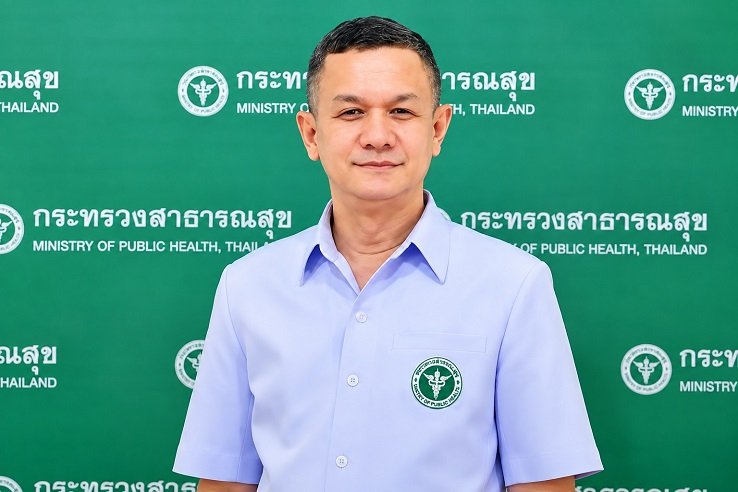
Image Credit: DTTAM
Such expansion could create economic opportunities across the entire food supply chain. Farmers could benefit from greater demand for selected local ingredients, while food manufacturers, product developers, restaurants, wellness operators, and exporters could build higher-value offerings around Thai culinary identity.
The department also pointed to Food and Drug Administration guidelines concerning health claims as an important part of this development. Evidence-based requirements can allow legitimate businesses to communicate recognized product benefits while providing safeguards for consumers and helping Thai products compete more credibly in health-conscious international markets.
Traditional Medicine Meets Personalized Nutrition
One of the more unusual features of Thailand’s presentation at GWS 2026 was an interactive experience based on the Thai traditional medicine concept of dominant elements. Visitors were invited to “Check Your Elemental Sign,” introducing them to the idea that food and lifestyle choices can be considered according to individual characteristics and needs within traditional Thai medicine.
The experience gave international wellness delegates a hands-on introduction to Thai health wisdom rather than presenting the concept solely through packaged products or promotional materials. It also demonstrated how traditional knowledge might be adapted into contemporary wellness experiences centered on personalization, an increasingly prominent theme across the international wellness sector.
For Thailand, that combination could prove commercially important. Thai cuisine is already globally recognized, but linking food with traditional wellness practices creates possibilities for experiences extending from specialized menus and retreats to wellness tourism, product development, and health-oriented hospitality.
Building A New Thai Wellness Value Chain
Dr. Pongsathorn said the wider ambition is to encourage healthier consumption while simultaneously transforming Thai food into a new value chain for the wellness industry. That chain could stretch from agricultural production and raw materials through healthy foods and innovations derived from Thai wisdom to wellness services serving domestic and international consumers.
The strategy ultimately represents more than an effort to rebrand Thai cuisine as healthy eating. Its potential lies in connecting agriculture, traditional medicine, food innovation, tourism, hospitality, and wellness under a recognizable Thai identity. Success will depend on credible evidence, appropriate regulation, product quality, consumer trust, and the ability of businesses to translate traditional knowledge into offerings that appeal internationally without stripping away their cultural foundations. If those elements can be successfully combined, “Thai Food, Good Health” could help Thailand convert its celebrated culinary heritage into a stronger economic engine while reinforcing the country’s ambitions to become a sustainable global wellness destination.
For more details, visit the Department of Thai Traditional and Alternative Medicine at: https://www.dtam.moph.go.th/