


Another wellness trend has hooked social media, and this time it comes straight from a tin. “SardineMaxxing,” the rapidly spreading craze centered on eating sardines for their perceived health, beauty and nutritional benefits, has become one of TikTok’s latest food obsessions. The enthusiasm is no longer confined to quirky recipe videos either. Sardine-related content has generated more than 120,000 TikTok posts, while reports from Australia, Canada, America and Britain indicate that demand has become strong enough to leave some supermarket shelves struggling to keep up. Food-tracking data also showed Western users logging more than twice as many sardines in July compared with the same month a year earlier.

Image Credit: Thailand Wellness News
The attraction is easy to understand. Sardines are inexpensive, convenient, protein-rich and packed with nutrients, while their old-fashioned tins have somehow acquired a fashionable new image online. Influencers are serving them on toast, mixing them into salads and pasta, pairing them with rice, or transforming them into elaborate snack plates. Pinterest searches have reflected the surge, with searches for sardine breakfasts reportedly rising 1,915 percent and sardine toast recipes climbing 460 percent. Yet midway through the excitement, this Wellness News report finds an important distinction between adding a nutritious oily fish to a balanced diet and turning one particular food into an extreme wellness regime.
Why Has SardineMaxxing Become So Popular?
The trend taps neatly into social media’s fascination with “maxxing” — taking a particular behavior, food or lifestyle practice and pushing it as a way of maximizing a desired result. In the case of sardines, the promised rewards range from better nutrition and higher protein intake to improved skin, stronger bones, reduced inflammation and even weight management.
Beauty has become an especially powerful part of the sardine story. Social media creators have described the fish with attention-grabbing phrases suggesting that it is effectively skincare served in a can. Sardines contain omega-3 fatty acids and protein, both of which have legitimate nutritional roles, but health experts caution that no individual food can single-handedly produce flawless skin. Skin health is affected by the overall diet alongside hydration, sleep, stress, gut health, hormonal factors and other lifestyle influences.
Small Fish, Impressive Nutritional Package
Behind the viral marketing is a food with genuine nutritional credentials. Sardines provide high-quality protein and the long-chain omega-3 fatty acids EPA and DHA, nutrients associated with cardiovascular health, brain function and regulation of inflammation. They can also provide vitamin B12, selenium, iodine and vitamin D. When their soft edible bones are consumed, sardines become a useful source of calcium as well.
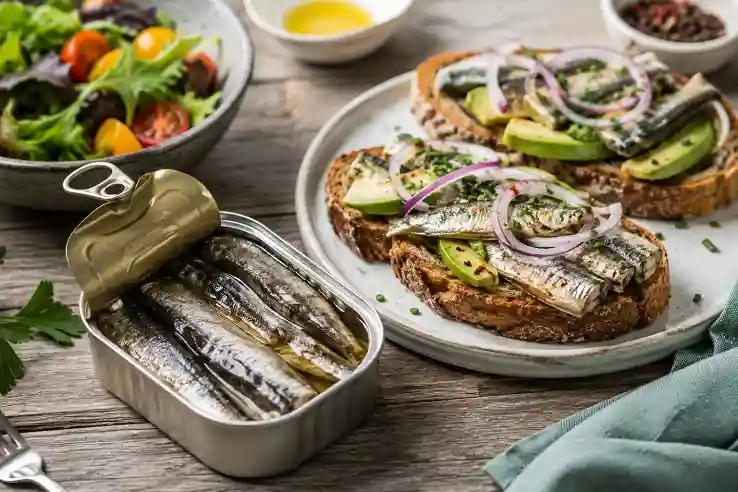
Image Credit: Thailand Wellness News
Omega-3 fats are one reason sardines have attracted so much attention. They are associated with cardiovascular and cognitive benefits and can contribute to a dietary pattern that helps regulate inflammation. Protein, meanwhile, supports muscle maintenance and satiety, while calcium and vitamin D have important roles in bone health.
Their small size offers another attraction. Health experts note that sardines and other smaller oily fish generally accumulate less mercury than some larger fish, while still providing valuable EPA and DHA. This makes them a practical way of incorporating oily fish into a varied diet.
But What About the Famous Sardine “Glow”?
There is some nutritional logic behind claims connecting oily fish with healthier-looking skin. Omega-3 fats may support inflammatory regulation and the skin barrier, while protein supplies amino acids needed by the body to maintain tissues, including collagen. Vitamin D and selenium also have important biological functions relevant to normal skin health.
That, however, is very different from claiming that opening a tin will deliver an instant cosmetic transformation. The effects of nutritious foods develop as part of an overall dietary pattern, and experts specifically warn against treating sardines as the nutritional equivalent of a rapid beauty treatment or medication.
When “Maxxing” Goes Too Far
The more controversial version of the craze is the so-called sardine diet or sardine fast. This approach involves eating sardines exclusively for several days, with advocates claiming that it may promote ketosis, encourage fat loss or stabilize blood sugar.
Health experts are considerably less enthusiastic about this extreme interpretation. Eating only sardines is highly restrictive and can leave the diet short of fiber, vitamin C and important plant-derived nutrients. Rapid weight changes under such circumstances may simply reflect severe calorie restriction rather than evidence that sardines possess some unique metabolic power. Experts also warn that turning a nutritious food into a rigid dietary protocol can encourage unnecessarily restrictive eating habits.
There are practical considerations too. Tinned sardines can contain substantial amounts of sodium, meaning shoppers may want to compare labels and consider lower-sodium varieties. The source material also notes concerns for people with kidney problems or gout. As with many foods promoted through viral wellness content, more is not automatically better.
A Better Way to Join the Sardine Craze
For people curious enough to try sardines, the less dramatic approach may be the most sensible. They can be served fresh or tinned, hot or cold, mashed onto toast, tossed through pasta, added to salads or incorporated into rice and vegetable dishes.
Rather than building an entire diet around them, health experts recommend rotating sardines with other oily fish and protein sources. Pairing them with vegetables, herbs, fiber-rich carbohydrates, tomatoes, peppers, leafy greens, lemon and olive oil can create a much more nutritionally diverse meal.
For newcomers put off by the distinctive smell or flavor, starting gradually may help. Sardines can be mixed into other dishes rather than eaten directly from the tin, and alternatives such as herring, anchovies, salmon or mackerel can provide some similar nutritional benefits. There is no requirement to consume tin after tin simply because an algorithm has declared sardines the wellness food of the moment.
The Sensible Takeaway from a Very Fishy Trend
SardineMaxxing is a classic example of social media taking a genuinely nutritious everyday food and wrapping it in the language of transformation. Sardines deserve recognition as a convenient source of protein, omega-3 fats and several valuable vitamins and minerals, and incorporating them into a varied diet can certainly make nutritional sense. What they cannot reasonably promise is an instant glow-up, effortless weight loss or a complete solution to health and beauty concerns. The real value lies not in “maxxing” sardines but in enjoying them alongside vegetables, whole foods and other nutritious protein sources. As viral wellness trends continue to arrive at remarkable speed, separating sound nutrition from exaggerated promises remains essential.