


Wellness Biohacking: A futuristic wellness trend emerging from cutting-edge neuroscience
A new wave of wellness biohacking innovation is beginning to blur the lines between advanced medical science and lifestyle enhancement, with one of the most intriguing developments being a nasal spray designed to rejuvenate the aging brain. Originally developed by scientists at Texas A&M University, this breakthrough is now being widely discussed not only in medical circles but also among wellness enthusiasts seeking longevity and cognitive optimization. The spray targets a phenomenon known as neuroinflammaging, a slow-burning inflammatory process in the brain that has long been associated with memory decline, mental fatigue, and increased vulnerability to neurodegenerative diseases. In what many are calling a transformative shift, this Wellness Biohacking news report highlights how a simple intranasal therapy could soon become a cornerstone in the pursuit of sharper thinking and extended brain vitality.
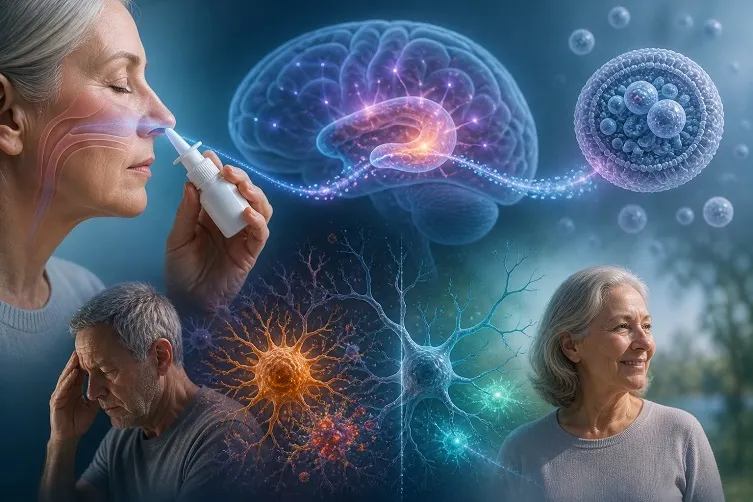
Image Credit: Thailand Wellness News
The science behind the spray that is capturing global attention
At the core of this innovation are tiny biological messengers known as extracellular vesicles, derived from neural stem cells. These microscopic particles are loaded with powerful molecules such as microRNAs and proteins that help regulate inflammation and cellular repair. What makes this approach particularly fascinating is its delivery method. Instead of invasive procedures or complex drug regimens, the vesicles are administered through a nasal spray, allowing them to bypass the brain’s protective barrier and reach critical regions like the hippocampus directly.
Once inside the brain, these vesicles begin a multi-layered repair process. They reduce oxidative stress, enhance mitochondrial function, and suppress harmful inflammatory pathways such as the NLRP3 inflammasome and the cGAS-STING signaling cascade. These pathways are known to fuel chronic inflammation and are heavily implicated in age-related cognitive decline. By calming these pathways, the therapy essentially creates a more balanced and supportive environment for brain cells to function optimally.
From lab success to biohacking curiosity
In preclinical studies involving aging animal models, the results have been nothing short of remarkable. Just two doses of the nasal spray were enough to significantly reduce inflammation in the brain, restore cellular energy systems, and improve memory performance. Subjects showed better recognition of familiar objects and enhanced spatial awareness, indicating meaningful cognitive recovery.
What stands out even more is the consistency of the results. Both male and female subjects responded similarly to the treatment, a rare occurrence in biomedical research where gender differences often influence outcomes. This universality is fueling excitement not only among scientists but also within the wellness community, where accessibility and broad effectiveness are key drivers of new trends.
As whispers of this technology spread, biohackers and longevity enthusiasts are beginning to imagine a future where maintaining brain health is as simple as incorporating a nasal spray into a daily routine. While still in early stages, the concept aligns perfectly with the growing demand for non-invasive, high-impact wellness solutions.
Reprogramming inflammation and restoring cellular energy
A deeper look into the mechanism reveals how sophisticated this therapy truly is. Aging brains often suffer from elevated levels of reactive oxygen species, which damage cells and disrupt mitochondrial activity. This leads to a vicious cycle of inflammation and declining energy production. The extracellular vesicles interrupt this cycle by boosting antioxidant defenses and restoring mitochondrial integrity.
Additionally, they influence the behavior of microglia, the brain’s immune cells. In aging, microglia tend to become overactive, releasing inflammatory molecules that harm neurons. The vesicles effectively “reprogram” these cells, shifting them from a pro-inflammatory state to a more balanced, protective role. This change is accompanied by widespread alterations in gene expression, promoting pathways linked to cellular repair and reducing those associated with inflammation.
Key signaling systems such as p38/MAPK and JAK-STAT are also suppressed, further dampening the inflammatory environment. At the same time, beneficial genes involved in energy production and metabolic balance are upregulated, creating a holistic rejuvenation effect within the brain.
A glimpse into the future of cognitive wellness
The implications of this innovation extend far beyond traditional medicine. With global populations aging rapidly, the demand for solutions that preserve cognitive function is at an all-time high. In the United States alone, projections suggest that new dementia cases could double by 2060. Against this backdrop, a non-invasive, fast-acting therapy that addresses root causes rather than symptoms represents a major leap forward.
For the wellness industry, this development could mark the beginning of a new category of biohacking tools focused specifically on brain longevity. Much like supplements, wearable devices, and personalized nutrition plans, advanced neuro-rejuvenation therapies may soon become part of mainstream wellness routines.
However, experts caution that while the early results are promising, human trials are still needed to confirm safety and effectiveness. There are also considerations around production, scalability, and regulatory approval that must be addressed before such therapies become widely available.
Though the therapy has yet to be validated by randomized clinical trials or have passed proper medical regulatory approvals, numerous wellness clinics and centers in Mexico, Switzerland, Romania, China and even some private physicians in California and Bangkok are already offering these nasal sprays to elite clients. Prices for a 3 ml bottle of nasal spray that needs to keep at a certain cool temperature and also has a shelf-life of 14 days upon opening are going at between US$4,800 to as high as US$12,500.
Where science meets lifestyle ambition
The growing fascination with this nasal spray reflects a broader cultural shift toward proactive health optimization. People are no longer content with simply treating illness; they are seeking ways to enhance performance, extend vitality, and maintain mental sharpness well into later life. This innovation sits perfectly at that intersection, offering a glimpse into what the future of wellness might look like.
If successfully translated into human use, via proper clinical trials, this therapy could redefine aging itself, transforming it from a period of decline into one of sustained cognitive engagement and clarity. It also opens the door for further exploration into cell-free therapies that harness the body’s own biological communication systems to repair and rejuvenate.
The excitement surrounding this development is well-founded, but it is also grounded in the understanding that responsible progression is essential. Continued research, careful clinical evaluation, and thoughtful integration into wellness practices will determine how this promising technology ultimately shapes the future of brain health. The journey from laboratory breakthrough to everyday biohacking tool may take time, but the potential impact is undeniable.
As interest continues to grow, one thing is clear: the quest to reverse brain aging has entered a bold and fascinating new chapter.
Reference:
https://isevjournals.onlinelibrary.wiley.com/doi/10.1002/jev2.70232
For the latest Wellness Biohacking news, keep on logging to Thailand Wellness News.
Medical Disclaimer: All content published by Thailand Wellness News is based on scientific research and is intended for informational and educational purposes only. It is not medical advice, diagnosis, or treatment. Readers must not attempt to use, apply, or experiment with any protocols, compounds, or therapies mentioned without first consulting a qualified and licensed medical doctor. Many findings discussed are experimental or preliminary, and only a licensed healthcare professional can determine what is safe and appropriate for an individual’s specific medical condition.