Asia Wellness News: Southeast Asia is entering what many industry insiders are calling a golden era of health-focused travel. Bali, long adored for its beaches and spiritual charm, is now accelerating its push to stand shoulder to shoulder with Thailand and Vietnam as the region’s ultimate wellness tourism powerhouse by 2026. Together, the three destinations are reshaping how travelers define a holiday, shifting the focus from sightseeing and shopping to healing, rejuvenation, and holistic living.

Image Credit: Thailand Wellness News
For decades, Thailand has dominated the regional wellness narrative, while Vietnam steadily built a reputation for tranquil eco-retreats. Now Bali’s rapid transformation is adding new energy to the race. In the midway stretch of this regional evolution, this Asia Wellness News report observes that the competition is no longer about who has the best spa, but who can offer the most meaningful transformation. The stakes are high, and the rewards are global recognition as Southeast Asia’s wellness crown jewel.
Thailand’s Enduring Wellness Authority
Thailand’s leadership in wellness tourism did not happen overnight. The kingdom has spent decades cultivating a reputation built on authenticity, hospitality, and expertise. Thai massage, recognized worldwide, remains one of the country’s most powerful cultural exports. From luxury beachfront spas in Phuket to serene mountain sanctuaries in Chiang Mai, Thailand has perfected the art of blending traditional healing with contemporary comfort.
Beyond relaxation therapies, Thailand has firmly established itself as a medical tourism leader. Bangkok’s internationally accredited hospitals and integrated wellness centers attract travelers seeking cosmetic procedures, dental care, fertility treatments, and preventive health check-ups. Many packages combine medical services with spa therapies and recovery programs, offering visitors a seamless journey from treatment to rejuvenation.
The Thai government has also invested heavily in promoting the country as a global wellness hub. Policies supporting herbal medicine, traditional therapies, and high-end wellness resorts have strengthened Thailand’s competitive advantage. With infrastructure already mature and globally recognized, Thailand enters 2026 not as a challenger, but as the benchmark others aim to surpass.
Vietnam’s Quiet Yet Powerful Ascent
Vietnam’s approach to wellness tourism is more understated, but no less compelling. Rather than competing directly on luxury alone, Vietnam has leaned into its natural landscapes and cultural heritage. The country’s long coastline, misty mountains, and lush forests create the ideal backdrop for mindfulness retreats and eco-conscious escapes.
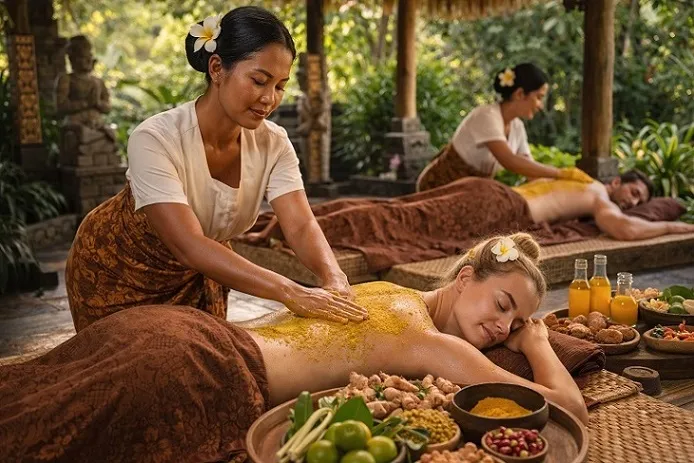
Image Credit: Thailand Wellness News
Destinations such as Da Nang, Hoi An, and Phu Quoc are witnessing a surge in boutique wellness resorts that integrate sustainable design with traditional Vietnamese therapies. Herbal steam baths, acupuncture sessions, and plant-based cuisine are increasingly common offerings. Many retreats emphasize farm-to-table dining and environmental responsibility, appealing to travelers who want their wellness journey to align with their ethical values.
Vietnam’s strength lies in its authenticity. Visitors often describe their experiences as intimate and restorative, free from the high-gloss polish found in more commercial destinations. By combining cultural depth with nature-based healing, Vietnam is steadily carving out a loyal following among travelers seeking simplicity and serenity.
Bali’s Rapid Transformation into a Wellness Mecca
If Thailand represents experience and Vietnam symbolizes harmony with nature, Bali embodies transformation. The Indonesian island has long attracted surfers, spiritual seekers, and digital nomads. Today, it is channeling that creative energy into a powerful wellness identity.
Ubud has become synonymous with yoga, meditation, and holistic healing. Retreat centers offer immersive programs ranging from detox and breathwork to sound healing and chakra balancing. Visitors are not simply booking spa treatments; they are enrolling in journeys designed to reset their mental, emotional, and physical well-being.
A major catalyst behind Bali’s rise is its strategic focus on wellness events. The Bali Wellness and Beauty Expo has drawn global brands, practitioners, and investors, turning the island into a networking hub for the international wellness community. These gatherings showcase emerging therapies, sustainable products, and luxury wellness innovations, reinforcing Bali’s image as forward-thinking and globally connected.
Luxury resorts across Seminyak, Canggu, and Nusa Dua have also elevated their wellness offerings. High-end detox retreats, anti-aging programs, and personalized nutrition consultations now sit alongside traditional Balinese healing rituals. This fusion of ancient wisdom and modern science gives Bali a distinctive appeal, particularly for travelers seeking both indulgence and inner growth.

Image Credit: Thailand Wellness News
The Wellness Triangle Takes Shape
As 2026 approaches, Southeast Asia’s wellness landscape resembles a powerful triangle. Thailand stands as the seasoned leader with robust infrastructure and medical expertise. Vietnam offers eco-conscious retreats grounded in cultural authenticity. Bali delivers a compelling mix of spirituality, creativity, and upscale innovation.
Rather than diminishing one another, these destinations are collectively raising the region’s profile. International travelers increasingly view Southeast Asia not as a single-stop spa getaway, but as a multi-destination wellness circuit. A visitor might undergo a health screening in Bangkok, unwind in a Vietnamese coastal retreat, and complete a spiritual reset in Bali.
This synergy is strengthening the region’s global appeal. Airlines are adding routes, hospitality groups are expanding wellness-focused brands, and governments are aligning tourism strategies with public health initiatives. The momentum is undeniable.
What 2026 May Bring
Industry analysts predict that wellness tourism will continue to outpace general leisure travel growth. Travelers are becoming more intentional, prioritizing mental health, preventive care, and meaningful experiences over traditional sightseeing. Southeast Asia’s affordability compared to Western wellness destinations also gives it a competitive advantage.
Bali’s trajectory suggests it could emerge as the symbolic heart of this movement. Its branding around transformation resonates strongly with younger travelers and professionals seeking personal growth. However, Thailand’s scale and medical sophistication remain unmatched, while Vietnam’s sustainable model appeals to an increasingly eco-aware market.
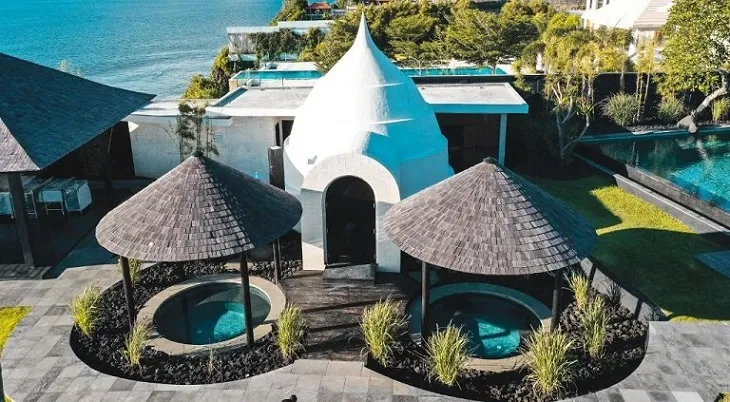
Image Credit: The Istana
The race is not simply about visitor numbers. It is about reputation, innovation, and the ability to adapt to evolving wellness trends. From biohacking therapies to plant-based nutrition and digital detox programs, the next phase of competition will likely center on who can anticipate future needs most effectively.
A Region Redefining Global Wellness Travel
Southeast Asia is no longer content to be seen merely as a tropical playground. It is positioning itself as a global center for healing, prevention, and holistic well-being. Bali, Thailand, and Vietnam are each investing in infrastructure, branding, and specialized training to ensure they remain relevant in an increasingly health-conscious world.
Travelers now expect more than massages and infinity pools. They seek transformation, knowledge, and a renewed sense of purpose. In that sense, the region’s evolution reflects a broader cultural shift. Wellness is not a luxury add-on; it is becoming the foundation of modern travel.
As Bali accelerates its rise alongside Thailand’s established dominance and Vietnam’s steady ascent, Southeast Asia stands united in redefining what a wellness destination can be. The coming years will likely see deeper collaboration, smarter sustainability practices, and even more immersive healing experiences designed to nourish both body and soul. For travelers ready to invest in their well-being, this dynamic trio promises not just a vacation, but a profound reset that lingers long after the journey ends.
For the latest Asia Wellness News, keep on logging to Thailand Wellness News.