


Asia Wellness News: Japan is steadily strengthening its position in one of the fastest-growing segments of global travel, with wellness and longevity tourism becoming an increasingly important part of the country’s tourism strategy. While Japan has long attracted visitors seeking rejuvenation through its famous hot springs, traditional cuisine, temple retreats and natural landscapes, the latest developments reveal a significant evolution in the way wellness experiences are being designed and delivered. Rather than offering short spa holidays or relaxing getaways alone, operators are now introducing structured programmes that combine nutrition, exercise, restorative sleep, cultural immersion and personalized health support into comprehensive wellness journeys.
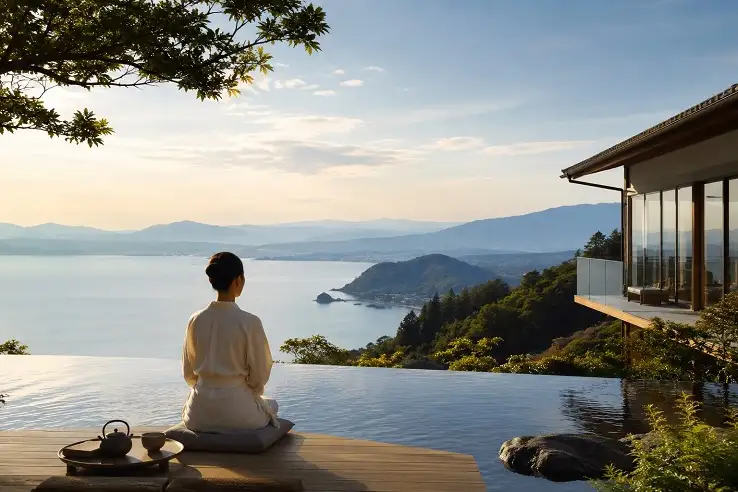
Image Credit: Thailand Wellness News
Driven by growing global awareness of healthy living, Japan is responding to demand from travelers seeking experiences that promote long-term well-being instead of temporary relaxation. This Asia Wellness News report highlights how wellness providers, luxury resorts and even pharmaceutical companies are investing in new tourism products that focus on healthy ageing, lifestyle improvement and preventive wellness. According to market researchers at IMARC Group, Japan’s health and wellness tourism market is forecast to expand from approximately US$37.5 billion in 2025 to an impressive US$71.2 billion by 2034, underlining the enormous commercial potential of this rapidly expanding sector.
Japan Expands Beyond Traditional Wellness Tourism
For decades, Japan’s wellness tourism reputation has rested on its centuries-old onsen culture, nutritious regional cuisine, forest bathing, meditation, hiking trails and traditional healing practices. These attractions remain popular, but the latest generation of wellness travel is becoming far more structured and personalized.
Instead of marketing individual treatments or spa facilities, operators are now creating multi-day programmes with clearly defined objectives. Guests follow carefully designed schedules that combine physical activity, healthy eating, restorative sleep, mindfulness practices and educational experiences intended to encourage healthier lifestyles well beyond their stay.
This represents an important shift from conventional resort holidays towards immersive wellness journeys where measurable lifestyle improvement becomes the primary focus.
Awaji Island Introduces an Innovative Wellness Retreat
One of the most significant additions to Japan’s wellness landscape is the Pasona Natureverse Retreat, which officially opened on Awaji Island in Hyogo Prefecture during June.
The facility has been developed around a holistic philosophy that integrates nutrition, exercise and quality sleep into personalized wellness programmes tailored to individual guests. Visitors may participate in activities including yoga, Zen meditation, physical training and thalassotherapy, which utilizes the therapeutic benefits of seawater and the coastal environment.

Image Credit: Pasona Natureverse Retreat
Unlike many conventional wellness resorts, the retreat incorporates technology alongside traditional Japanese wellness philosophies. Selected accommodation includes sensor-equipped beds designed to monitor sleep patterns, while wellness facilitators help adjust each guest’s daily programme according to individual needs and progress.
Adding another distinctive feature, the retreat operates with an on-site clinic and medical support programme developed in collaboration with Kobe University Hospital. While this does not replace medical treatment, it reflects Japan’s growing emphasis on integrating wellness, preventive care and professional health expertise within tourism experiences.
A representative from the Pasona Group noted that worldwide interest in health and well-being continues to accelerate, creating growing demand for holistic wellness programmes. The company believes the Natureverse Retreat offers a uniquely Japanese interpretation of wellness while also supporting Awaji Island’s transformation into a destination centered on health, relaxation and renewal.
Architecturally, the retreat also makes an impression. Designed by internationally acclaimed architect Shigeru Ban, the five-storey property overlooks Osaka Bay and incorporates natural surroundings into the guest experience. Facilities include natural hot springs, a thalasso spa, restaurants, cafés, fitness facilities, business amenities and a scenic seaside boardwalk stretching approximately 300 meters along the coastline.
Guests may also participate in broader cultural activities available elsewhere on Awaji Island, including farming experiences, musical performances, opera, ballet and additional Zen programmes, allowing visitors to combine structured wellness with authentic local culture.
Okinawa Builds on Its Blue Zone Reputation
While Awaji Island presents a personalized and flexible wellness model, Okinawa is taking a different approach through carefully curated luxury retreats.
Recognized internationally as one of the world’s famous Blue Zones—regions where residents enjoy exceptionally long-life expectancies—Okinawa already possesses a strong reputation for healthy ageing. Luxury resort Halekulani Okinawa is now expanding its longevity tourism offerings by introducing an enhanced Blue Zones Retreat beginning in October.
https://www.okinawa.halekulani.com
The six-night programme is designed to help participants understand how everyday habits, local traditions and environmental factors can contribute to long-term well-being. Guests participate in guided activities led by certified Blue Zones facilitators while exploring Okinawan culture, cuisine and daily lifestyle practices associated with longevity.
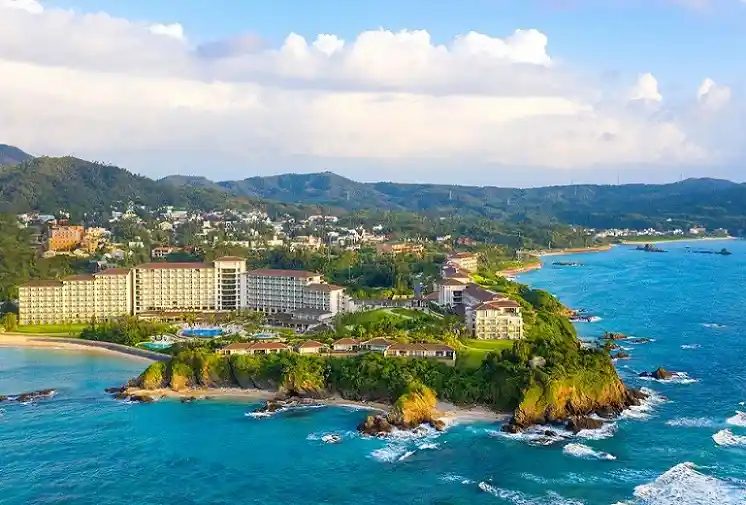
Image Credit: Halekulani Okinawa
Unlike the more customized Awaji experience, Halekulani’s programme follows a clearly defined itinerary. Packages include accommodation, airport transfers, breakfast each day, selected lunches and dinners, resort dining credits and structured wellness sessions throughout the retreat.
The programme is intended exclusively for adults, with participation limited to a specific October schedule. Pricing reflects the premium nature of the experience, highlighting that longevity tourism is increasingly attracting travelers willing to invest substantially in carefully designed wellness holidays.
Pharmaceutical Industry Enters Wellness Tourism
Another notable development is the growing participation of Japan’s healthcare sector in tourism.
Saishunkan Pharmaceutical launched a dedicated tourism division earlier this year, seeking to introduce travelers to traditional Japanese medicine through partnerships with tour operators and hospitality companies, including Hoshino Resorts.
Company representatives emphasize that in an era where many people expect to live to 100 years or more, attention should focus not simply on extending lifespan but on increasing healthy life expectancy.

Image Credit: StockShots
Its tourism strategy aims to combine traditional Japanese medicine with travel experiences that harmonies physical and mental well-being, illustrating how healthcare providers increasingly view tourism as an opportunity to promote preventive wellness and healthy lifestyle education.
Travelers Should Compare Wellness Programmes Carefully
Although longevity tourism continues gaining popularity, travel experts advise visitors to carefully evaluate individual programmes before making reservations.
Not all wellness retreats offer identical services, despite using similar marketing language. Some focus primarily on relaxation, while others incorporate structured daily schedules, medical consultation, educational components or personalized health planning.
Prospective guests should carefully examine programme duration, accommodation standards, included meals, transportation, cancellation policies, accessibility, language support and the qualifications of instructors or facilitators.
Travelers with existing medical conditions should also clarify which services fall under general wellness and which involve clinical support, ensuring realistic expectations before booking.
A Growing Market with Long-Term Potential
Japan’s expanding investment in wellness tourism reflects broader international travel trends as more people seek experiences that improve quality of life rather than simply providing leisure or sightseeing.
Increasing awareness of preventive healthcare, ageing populations across many developed nations and heightened interest in mental well-being following recent global health challenges are all contributing to sustained growth within the wellness travel sector.
Rather than relying solely on its traditional strengths such as hot springs and scenic landscapes, Japan is combining ancient cultural practices with modern technology, scientific partnerships and personalized wellness programmes. This balanced approach allows destinations across the country to appeal both to international travelers seeking authentic Japanese experiences and to those specifically searching for evidence-based wellness holidays.
The emergence of structured longevity retreats also encourages visitors to spend longer periods in regional destinations, creating wider economic benefits for local communities while supporting sustainable tourism development beyond Japan’s major metropolitan centers.
Japan’s latest wellness initiatives demonstrate that longevity tourism is evolving into a sophisticated travel category built upon careful planning, expert guidance and meaningful lifestyle education. By blending centuries-old cultural traditions with contemporary health science, the country is positioning itself as one of Asia’s most innovative wellness destinations. As competition intensifies across the global wellness tourism market, Japan’s investment in personalized retreats, healthy ageing programmes and preventive well-being experiences offers travelers compelling new reasons to extend their visits while encouraging healthier habits that can continue long after returning home.
For the latest Asia Wellness News, keep on logging to Thailand Wellness News.