


Wellness News: As the global wellness industry continues its relentless search for the next breakthrough in healthy aging, scientists and nutrition experts are increasingly turning their attention to a group of naturally occurring compounds called polyamines. Found in everyday foods ranging from soybeans and mushrooms to citrus fruits and aged cheeses, these microscopic molecules are now being linked to longer lifespans, improved heart health, enhanced brain function, and stronger cellular resilience.
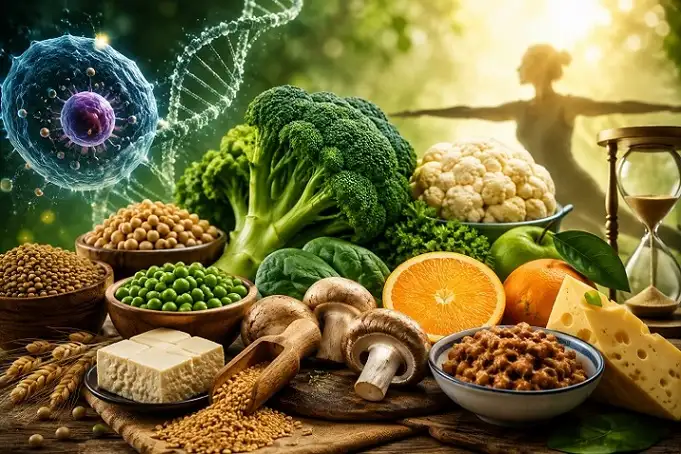
Image Credit: Thailand Wellness News
Polyamines—primarily putrescine, spermidine, and spermine—exist in virtually every living cell and are essential for maintaining cellular balance. Researchers have long known they play a role in cell growth, DNA protection, and gene regulation, but newer studies are revealing something far more intriguing.
This Wellness News report highlights how dietary polyamines may become one of the most accessible and natural strategies for slowing age-related decline and preserving vitality well into old age.
What makes polyamines especially fascinating is their close relationship with autophagy, the body’s internal cellular recycling system. Autophagy helps remove damaged proteins, malfunctioning mitochondria, and cellular waste that accumulate over time. Scientists increasingly believe that a decline in autophagy is one of the driving forces behind aging and chronic disease.
As people age, the body naturally produces fewer polyamines. This gradual decline appears to weaken the body’s ability to clean and repair cells efficiently. The result can be increased inflammation, oxidative stress, impaired immunity, and greater vulnerability to conditions such as cardiovascular disease, metabolic disorders, and neurodegenerative illnesses.
Why Scientists Are Calling Spermidine a Longevity Molecule
Among all polyamines, spermidine has emerged as the star compound in longevity research. Laboratory and animal studies consistently show that spermidine activates autophagy and mitophagy, the specialized process that removes damaged mitochondria from cells.
These functions are critical because mitochondrial dysfunction is considered one of the hallmark mechanisms of aging. When mitochondria lose efficiency, cells produce more oxidative stress and less energy, accelerating tissue deterioration throughout the body.
Research involving mice has produced particularly striking findings. Animals receiving spermidine supplementation experienced lifespan extensions estimated at roughly 10 to 15 percent. Scientists also observed improved cardiac performance, reduced blood pressure, lower inflammation levels, and preserved heart elasticity.
Importantly, these effects were not limited to mammals. Similar benefits have been documented in yeast, flies, and worms, suggesting that the biological mechanisms influenced by polyamines are deeply conserved across evolution.
Researchers have also discovered that spermidine influences epigenetic pathways, including histone acetylation, which regulates how genes involved in stress resistance and survival are expressed. This means polyamines may not merely protect cells temporarily but could potentially influence broader longevity pathways at the genetic regulation level.
Foods Naturally Rich in Polyamines
One reason polyamine research is gaining so much attention in wellness circles is that these compounds are already present in many commonly consumed foods.
Wheat germ stands out as one of the richest natural sources of spermidine. Soy-based foods such as natto, miso, tempeh, and soybeans are also particularly abundant in polyamines, especially in fermented forms.
Vegetables including broccoli, cauliflower, green peas, mushrooms, and green peppers contain meaningful levels as well. Legumes like lentils and chickpeas, together with certain whole grains, also contribute substantial amounts.
Fruit sources include grapefruit, oranges, pears, and mangos, while aged cheeses and organ meats provide additional polyamine content.
Interestingly, traditional dietary patterns already associated with exceptional longevity appear naturally rich in these compounds. The Mediterranean diet and the traditional Japanese diet, especially those incorporating fermented soy products and abundant vegetables, may partly owe their health-promoting reputation to high polyamine intake.
Cooking methods also influence polyamine content. Fermentation tends to increase levels, whereas boiling and grilling can reduce them.
Emerging Links to Heart and Metabolic Health
One of the strongest areas of evidence involves cardiovascular protection.
Human studies have associated higher dietary spermidine intake with lower rates of cardiovascular disease and reduced overall mortality. Researchers observed correlations between increased polyamine consumption and improvements in heart function, reduced cardiac hypertrophy, and fewer cardiovascular events.
Some large population analyses even found that people consuming the highest levels of spermidine appeared biologically younger than peers with lower intake levels.
Scientists believe the heart-protective effects stem from enhanced mitochondrial function, reduced inflammation, and improved cellular cleanup processes within cardiac tissue.
Polyamines may also help combat metabolic syndrome and obesity. Early findings suggest they influence lipid metabolism, insulin sensitivity, and the gut microbiome. Because gut bacteria can produce polyamines themselves, researchers are now exploring whether dietary interventions combined with microbiome optimization could further amplify health benefits.
Potential Brain-Protective Effects
Another rapidly expanding area of interest involves brain health and cognitive aging.
Neurodegenerative diseases such as Alzheimer’s and Parkinson’s are strongly linked to the accumulation of abnormal protein aggregates in brain tissue. Since spermidine stimulates autophagy, researchers believe it may help neurons clear toxic proteins more efficiently.
Several observational studies have connected higher spermidine intake with slower cognitive decline, improved memory scores, and better overall mental performance in older adults.
Some research has even associated polyamine-rich diets with preserved hippocampal volume and cortical thickness, both important markers of brain integrity.
Scientists caution that these findings remain preliminary, but the consistency of the emerging evidence has fueled growing interest in polyamine-based nutritional strategies for healthy cognitive aging.
A Wellness Trend Rooted in Prevention
Unlike many expensive anti-aging interventions currently dominating the wellness industry, polyamine-focused nutrition relies primarily on accessible dietary adjustments.
Nutrition experts say individuals can increase intake relatively easily by incorporating foods such as wheat germ into breakfast meals, adding soybeans or fermented soy products to lunches, consuming more legumes and vegetables, and choosing fruit varieties naturally rich in polyamines.
Supplements containing spermidine are also becoming increasingly popular, with early clinical studies suggesting reasonable safety and tolerability at moderate doses. However, researchers continue to emphasize that whole-food sources remain preferable because they provide additional compounds such as fiber, antioxidants, and polyphenols that may work synergistically with polyamines.
Still, experts warn that responses may vary depending on genetics, gut microbiota composition, baseline dietary habits, and underlying health conditions.
Scientists also note that polyamines possess complex biological roles. While normal dietary levels appear protective, excessively high concentrations under certain circumstances may theoretically support unwanted cell proliferation. For this reason, healthcare consultation remains advisable before pursuing aggressive supplementation strategies.
The Growing Future of Polyamine Wellness
Clinical trials investigating spermidine supplementation are now expanding across multiple areas, including cognition, cardiovascular markers, and biological aging indicators. Researchers hope these studies will clarify whether the impressive findings observed in laboratory models can translate into meaningful longevity benefits in humans.
For now, the evidence strongly suggests that polyamine-rich eating patterns may offer a practical way to support healthier aging at the cellular level.
What makes this emerging wellness movement particularly compelling is its emphasis on prevention rather than intervention after disease has already developed. By supporting autophagy, reducing inflammation, maintaining mitochondrial function, and preserving cellular stability, polyamines may help the body remain resilient against the wear and tear of aging itself.
As modern consumers increasingly seek natural approaches to longevity, polyamine-rich diets appear poised to move from scientific curiosity into mainstream wellness culture. While researchers continue investigating the full extent of their potential, the growing body of evidence suggests that simple nutritional choices made today could influence health, vitality, and resilience for decades to come.
References:
https://www.mdpi.com/2073-4409/11/1/164
https://www.mdpi.com/2076-3271/9/2/22
https://www.nature.com/articles/nm.4222
https://www.science.org/doi/10.1126/science.aan2788
https://ajcn.nutrition.org/article/S0002-9165(22)02930-6/fulltext
https://foodandnutritionresearch.net/index.php/fnr/article/view/595
https://www.alzforum.org/news/research-news/better-living-through-polyamines
https://www.nature.com/articles/s41538-025-00695-2
https://link.springer.com/article/10.1007/s00726-026-03497-2
For the latest Wellness and Longevity Diets, keep on logging to Thailand Wellness News.
Medical Disclaimer: All content published by Thailand Wellness News is based on scientific research and is intended for informational and educational purposes only. It is not medical advice, diagnosis, or treatment. Readers must not attempt to use, apply, or experiment with any protocols, compounds, or therapies mentioned without first consulting a qualified and licensed medical doctor. Many findings discussed are experimental or preliminary, and only a licensed healthcare professional can determine what is safe and appropriate for an individual’s specific medical condition.