Thailand’s wellness industry has become one of the country’s most promising economic sectors, yet public discussions about its future frequently revolve around the same familiar names. Bangkok Dusit Medical Services (BDMS), VitalLife, the Department of Thai Traditional and Alternative Medicine (DTAM), Anantara, Banyan Tree, and Chiva-Som regularly dominate conversations about medical wellness, traditional healing, luxury retreats, and health tourism. Their contributions are significant, but the country’s wellness landscape is considerably broader, more diverse, and potentially more innovative than this small collection of established institutions and hospitality brands suggests. In fact, many are getting bored of hearing of these same names.
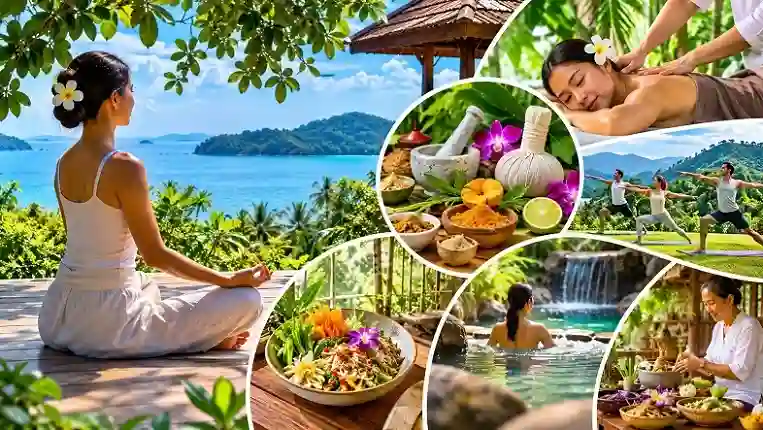
Image Credit: Thailand Wellness News
For travelers, investors, healthcare professionals, and ordinary consumers seeking something different, repeatedly hearing about the same organizations can create the misleading impression that Thailand’s wellness industry has little else to offer. In reality, as this Thailand Wellness News report explores, a growing ecosystem of independent wellness retreats, specialized therapeutic centers, community-based health initiatives, integrative medicine providers, and emerging entrepreneurs is reshaping how wellness services are delivered. Many operate outside the publicity networks enjoyed by major hospital groups and international hotel chains, despite offering experiences that deserve greater attention.
Beyond the Familiar Corporate Wellness Names
Thailand’s wellness reputation was not built exclusively by large corporations. Traditional massage practitioners, herbal medicine specialists, meditation teachers, local healers, and independent hospitality operators helped establish the country’s international appeal long before wellness became a fashionable investment category.
Today, smaller businesses continue this tradition while introducing contemporary approaches to preventive healthcare, stress management, physical rehabilitation, nutrition, and emotional well-being.
The challenge is visibility. Major organizations possess substantial marketing budgets, established media relationships, and the resources to participate in international tourism exhibitions. Independent operators often lack comparable exposure, leaving potentially worthwhile services overlooked.
This imbalance does not necessarily reflect differences in quality. Rather, it illustrates how concentrated publicity can influence consumer perceptions of an entire industry.
A $42.7 Billion Industry Deserves Wider Recognition
The economic figures reinforce the importance of looking beyond established players. According to the Global Wellness Institute, Thailand’s wellness economy reached $42.7 billion in 2024, increasing 10.1% from the previous year.
Wellness tourism spending alone reached approximately $14 billion, following annual growth of 36.4%. Thailand ranked 24th globally for its overall wellness economy and 15th for wellness tourism.
These figures encompass far more than luxury resorts and medical facilities. The broader wellness economy includes physical activity, healthy eating, traditional medicine, beauty, preventive health services, and wellness-related travel.
Such diversity raises an important question: Are Thailand’s promotional efforts adequately representing the businesses and communities responsible for sustaining these activities?
Independent Retreats Offering Different Experiences
Several established alternatives demonstrate the variety available to wellness travelers.
Kamalaya combines wellness programming with a retreat environment emphasizing stress management, nutrition, and restorative practices.
Samahita Retreat focuses on yoga, breathwork, fitness, and structured lifestyle programs, appealing to travelers seeking participation rather than passive pampering.
Meanwhile, The Farm at San Benito illustrates the regional competition Thailand faces, although it is located in the Philippines rather than Thailand.
Within Thailand, Phuket’s independent fitness camps, yoga studios, and wellness retreats also serve visitors interested in practical lifestyle changes without necessarily purchasing expensive hospital-affiliated packages.
The growing range of options suggests that wellness consumers increasingly have reasons to explore beyond internationally recognized luxury brands.
Traditional Thai Wellness Is Bigger Than One Government Department
The Department of Thai Traditional and Alternative Medicine plays an important role in developing and promoting traditional healthcare practices. However, Thai wellness knowledge extends far beyond any single government agency.
Local herbal practitioners, traditional massage schools, community enterprises, and regional wellness businesses preserve practices developed across generations.
Northern Thailand’s herbal traditions, southern Thailand’s community-based healing activities, and locally produced therapeutic products offer opportunities for culturally distinctive wellness tourism.
DTAM itself has published assessments recognizing destinations associated with Thai traditional health knowledge and medicinal herbs.
Greater exposure for qualified community practitioners could help distribute tourism revenue beyond major urban centers and expensive resort destinations.
Wellness Should Not Be Reserved for Wealthy Tourists
Another concern involves affordability. Much of Thailand’s international wellness marketing emphasizes premium packages, personalized consultations, sophisticated diagnostics, and luxury accommodation.
These services have their place, but wellness should also encompass accessible exercise programs, affordable nutrition counseling, community health education, stress reduction, and preventive services.
Independent businesses may be particularly well positioned to develop flexible offerings for middle-income travelers, domestic consumers, retirees, and younger people.
However, affordability must not come at the expense of safety. Consumers should distinguish evidence-based medical interventions from general relaxation services and unverified therapeutic claims.
Professional qualifications, transparent pricing, appropriate licensing, and clear explanations of treatment limitations remain essential.
A More Competitive Future Requires Fresh Voices
Thailand’s ambitions to become a leading international wellness destination will require more than repeatedly promoting organizations already enjoying substantial recognition.
Industry associations, tourism authorities, event organizers, and media outlets could broaden their coverage by highlighting smaller operators, regional innovators, wellness educators, and credible emerging businesses.
More inclusive industry exhibitions, independent quality assessments, and opportunities for small enterprises to reach international buyers could improve competition.
This would not diminish established institutions. Instead, it would demonstrate that Thailand’s competitive advantage comes from the depth of its wellness ecosystem rather than the reputation of a handful of companies.
Thailand’s Wellness Identity Must Continue Evolving
Thailand possesses an extraordinary combination of traditional knowledge, experienced practitioners, hospitality expertise, natural attractions, and modern healthcare infrastructure. Yet maintaining international leadership requires recognizing that innovation can emerge from independent studios, small retreats, local communities, and entrepreneurs just as readily as from major corporations.
The familiar industry leaders deserve acknowledgment, but they should not monopolize the national wellness narrative. Greater diversity in media coverage, investment opportunities, and tourism promotion would give consumers more meaningful choices while encouraging competition, accountability, and innovation. Thailand’s next chapter in wellness should celebrate the entire industry, not simply repeat the names that everyone already knows.
Readers please note, a very detailed AI app and guide to Thailand’s Wellness industry by type, locations, services provided and costs will be released by Thailand Wellness News soon.