


A growing safety investigation involving injectable products promoted for immunity, energy, detoxification, and general wellness is causing concern after dozens of people became ill following glutathione injections in the United States. Several compounding pharmacies have recalled products over elevated bacterial endotoxin levels, contaminants capable of triggering severe inflammatory reactions, shock, and potentially death.
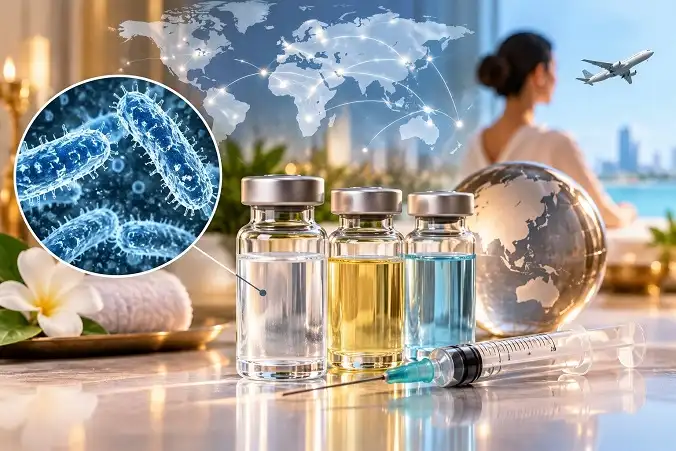
Image Credit: Thailand Wellness News
While the current regulatory recalls and documented illnesses center on the United States, the issue has broader international relevance. Some wellness and injectable products of this type are also reported to be distributed or marketed through channels reaching parts of Europe, Asia, and Australia, meaning consumers outside America should pay close attention to product origin, manufacturer, compounder, and lot information. In the midst of this Wellness News report, it is important to stress that international consumers should not assume a wellness injectable is unaffected simply because it was obtained outside the United States.
Three Wellness Injectables Recalled
Houston-based Centric Compounding recalled six lots involving Glutathione 200 mg/mL, Myer’s Cocktail, and Tri-Immune Boost injectable products after determining that a glutathione ingredient used in compounding contained elevated endotoxin levels.
The products had been distributed nationwide in the United States through home delivery and directly to prescribers. Centric reported nine adverse-event complaints involving symptoms including fever, chills, chest pain, nausea or vomiting, headache, and malaise.
The company warned that administering injectable products containing elevated endotoxin levels could potentially result in significant medical events, including fever, hypotension, inflammatory reactions, anaphylactic shock, and death.
Dozens Sickened After Glutathione Injections
The problem extends beyond the Centric recall. The U.S. Centers for Disease Control and Prevention has investigated illnesses among more than 25 people across Texas, Washington, Florida, and New York after patients received glutathione intravenously or through other injections.
At least three patients were hospitalized. One became critically ill and required intensive care for shock and abnormal blood clotting.
The U.S. Food and Drug Administration has separately reported being aware of adverse events among at least 30 patients who received intravenous glutathione, either alone or combined with other ingredients.
Why Endotoxin Contamination Matters
Endotoxins are substances associated with certain bacteria and can cause powerful inflammatory responses when introduced into the body. Their presence becomes particularly concerning in injectable preparations because the products bypass many of the body’s normal protective barriers.
Symptoms associated with excessive endotoxin exposure can include fever, chills, muscle pain, headache, nausea, vomiting, dizziness, and dangerously low blood pressure. Severe reactions can require emergency medical treatment.
Investigators have also highlighted a particularly troubling factor: glutathione material labeled for dietary supplement use was reportedly used to compound injectable products.
The CDC has warned that dietary supplement-grade glutathione should not be used in sterile injectable drugs because such material can introduce contaminants, including endotoxins. The FDA has similarly reminded compounders not to use dietary supplement-grade glutathione in injectable preparations.
Recalls Have Spread Across Multiple Pharmacies
Centric Compounding is not the only company involved. Austin-based Victory Medical Center Pharmacy previously recalled certain lots of compounded Glutathione 200 mg/mL multidose vials after elevated bacterial endotoxin levels were detected.
Optimal Balance Pharmacy in Houston subsequently recalled a lot of compounded glutathione injections because of elevated endotoxin levels. Distribution extended beyond the states where illnesses were initially identified and included Arizona, Colorado, Illinois, Louisiana, Michigan, Nevada, Oklahoma, Pennsylvania, Utah, and Vermont.
The CDC has also pointed to earlier problems involving endotoxin-contaminated glutathione injections. These include an outbreak in Australia in 2015 and adverse events associated with a U.S. clinic that prompted an FDA safety alert in 2019.
There are currently no FDA-approved glutathione products in the United States, according to federal health authorities.
International Consumers Should Check Their Products
The situation deserves attention beyond America because injectable wellness treatments and glutathione products are widely encountered in international beauty, anti-aging, wellness, and complementary-health markets. The supplied reports also indicate that some products may be distributed in parts of Europe, Asia, and Australia.
However, consumers should distinguish that broader availability from the specific U.S. recalls: the evidence presented here does not establish that every glutathione or wellness injectable sold internationally contains the same contaminated material.
Anyone outside the United States possessing imported glutathione, Myer’s Cocktail, Tri-Immune Boost, or similar compounded injectables should therefore check the product’s manufacturer or compounding pharmacy, country of origin, lot number, and regulatory status before use. Products should not be assumed safe merely because they were obtained from a wellness clinic or marketed as supplements, immune boosters, detoxification treatments, or energy therapies.
A Warning for the Expanding Wellness Market
The unfolding episode highlights an important distinction between products designed for oral supplementation and substances manufactured to the much stricter standards required for injection. Once a substance is injected directly into the bloodstream or tissues, contamination that might otherwise appear insignificant can have rapid and potentially life-threatening consequences.
The wider lesson extends well beyond glutathione. As wellness injections become increasingly visible internationally, consumers and practitioners need greater scrutiny of ingredient sourcing, pharmaceutical quality, sterility, endotoxin testing, and the regulatory status of compounded preparations. The U.S. illnesses demonstrate that attractive claims involving immunity, detoxification, beauty, fatigue, or energy cannot substitute for appropriate manufacturing standards.
People who possess potentially affected products should verify their source before further use, while anyone developing fever, chills, vomiting, dizziness, low blood pressure, or other unusual symptoms following an injection should seek medical attention promptly.
References:
https://www.cdc.gov/healthcare-associated-infections/current-situation/index.html