


Wellness News: For centuries, humanity has searched for the secret to extending life without sacrificing vitality. From ancient herbal remedies and royal elixirs to cutting-edge regenerative medicine, every generation has pursued healthier, longer lives. Today, that search has entered one of its most exciting chapters yet. Scientists are no longer asking whether aging can simply be slowed; they are investigating whether some of its underlying biological processes can actually be reset. At the center of this rapidly evolving field are two remarkable areas of research—epigenetics and cellular reprogramming—which are reshaping how the scientific community views aging, disease prevention, and the future of Wellness and Longevity.

Image Credit: Thailand Wellness News
What was once considered the realm of science fiction is now being explored in some of the world’s most advanced research laboratories and early-stage clinical trials. This Wellness News report examines how these groundbreaking discoveries are transforming our understanding of human biology and why leading researchers believe the future of medicine may focus less on treating age-related illnesses and more on preserving youthful cellular function before disease takes hold. While the science remains in its early stages, the progress made over the past decade has sparked unprecedented optimism among longevity specialists, regenerative medicine experts, and biotechnology innovators.
Looking Beyond DNA
To understand why epigenetics has become one of the most talked-about areas of modern medicine, it is important to begin with DNA.
DNA serves as the body’s master blueprint. Every one of the trillions of cells in the human body contains essentially the same genetic code. Yet despite carrying identical DNA, a heart cell behaves very differently from a liver cell, and a brain neuron performs entirely different functions from a skin cell.
The reason lies in the epigenome. The epigenome is a sophisticated layer of biological instructions that sits on top of DNA. Rather than changing the genetic code itself, it determines which genes are switched on, which remain silent, and when those genes should become active. Scientists often compare DNA to a vast library of books, while the epigenome functions as the librarian deciding which books are opened and read. This elegant system enables the body to produce hundreds of specialised cell types from one identical genetic blueprint.
What Exactly Is Epigenetics?
The word “epigenetics” literally means “above genetics.” Instead of altering DNA sequences, epigenetic mechanisms regulate gene activity through chemical signals attached to DNA or the proteins surrounding it. Two of the best-known processes are DNA methylation and histone modification.
DNA methylation involves tiny chemical markers known as methyl groups attaching themselves to sections of DNA. These markers can reduce or completely silence certain genes when necessary.
Histones, meanwhile, are proteins around which DNA is tightly wrapped. Scientists frequently describe them as spools holding long strands of genetic material. Chemical changes to these histones determine whether DNA remains tightly packed and inaccessible or opens up so genes can be actively expressed.
Together, these processes allow the body to respond to changing environments throughout life.
Nutrition, exercise, sleep quality, emotional stress, exposure to pollution, smoking, infections, inflammation and even social experiences can influence the epigenome. This remarkable flexibility explains why identical twins, despite sharing identical DNA, often develop different health conditions and age differently over time.
When Cellular Memory Begins to Fade
Although the epigenome is highly sophisticated, it is not perfect. Throughout life, countless biological stresses gradually interfere with the cellular instructions that maintain healthy tissues. Oxidative stress, chronic inflammation, environmental toxins, metabolic disorders and normal wear and tear slowly alter epigenetic patterns.
Scientists increasingly describe this process as the gradual loss of cellular information.
Imagine using the same computer for decades. The hardware may still function, but the operating system accumulates corrupted files, unnecessary programs and software errors that reduce performance.
Many researchers believe something similar occurs within our cells.
The DNA—the biological hardware—remains largely intact, while the epigenetic software slowly becomes less accurate. Cells begin forgetting precisely how they are supposed to function. Repair mechanisms become less efficient, communication between tissues weakens, inflammation increases and the body’s resilience gradually declines.
These cumulative changes contribute to many of the hallmarks of aging, including reduced muscle strength, slower wound healing, impaired immune responses, declining organ performance and increased vulnerability to chronic disease.
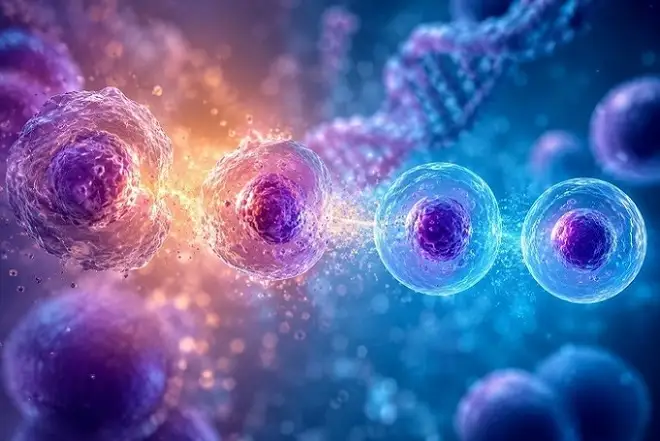
Image Credit: Thailand Wellness News
Enter Cellular Reprogramming
This is where one of the most revolutionary ideas in modern biology emerges.
Rather than accepting these changes as irreversible, scientists are exploring whether aging cells can be encouraged to recover their youthful function by restoring their epigenetic instructions.
This process is known as cellular reprogramming. Instead of replacing damaged cells, cellular reprogramming attempts to remind them how to behave as they did when they were younger.
The breakthrough originated from the pioneering work of Nobel Prize-winning Japanese scientist Shinya Yamanaka, who discovered that introducing four specialized proteins—now known as the Yamanaka factors—could convert mature adult cells back into stem-cell-like cells. The original four factors are OCT4, SOX2, KLF4 and c-MYC.
While this discovery transformed regenerative biology, researchers quickly realized that fully reprogramming cells also erased their identity. A skin cell no longer behaved like skin, while a liver cell lost the characteristics that made it a liver cell.
For regenerative medicine, that created significant safety concerns.
Why Partial Reprogramming Is Different
The next major breakthrough came through partial cellular reprogramming.
Rather than pushing cells all the way back to an embryonic state, scientists discovered they could activate the reprogramming process for only a limited period.
This subtle approach appears capable of removing many of the unwanted epigenetic changes associated with aging while preserving the cell’s original identity.
-A heart cell remains a heart cell.
-A neuron remains a neuron.
-A skin cell remains a skin cell.
However, each may begin functioning more like its younger counterpart.
Researchers often describe this as polishing the software rather than replacing the computer.
Laboratory studies in mice have demonstrated improvements in tissue repair, nerve regeneration and several biological markers associated with aging. Although these findings do not prove that human aging can be reversed, they provide compelling evidence that at least some age-related cellular changes may be more flexible than previously believed.
From Laboratory Discovery to Human Trials
For years, cellular reprogramming remained confined largely to animal research. Today, however, the science is beginning to move cautiously into human clinical investigation.
One of the most closely watched developments is an early-stage clinical programme evaluating a therapy known as ER-100. Rather than attempting to rejuvenate the entire body, researchers are initially focusing on damaged optic nerve tissue in patients with serious eye disorders. https://www.lifebiosciences.com/life-biosciences-announces-first-patient-dosed-in-phase-1-trial-of-er-100-for-optic-neuropathies/
The eye provides an ideal starting point because it allows physicians to closely monitor treatment while limiting exposure to the rest of the body. The therapy delivers carefully selected reprogramming factors directly into affected tissues, with the goal of restoring healthier cellular function without changing the identity of the cells themselves.
If these carefully controlled studies continue to demonstrate safety and encouraging biological effects, they could pave the way for future investigations involving the heart, brain, liver, kidneys, skeletal muscles and immune system—potentially opening an entirely new chapter in regenerative medicine.
The Companies Leading the Longevity Revolution
The promise of epigenetics and cellular reprogramming has sparked one of the most exciting races in modern biotechnology. Around the world, established pharmaceutical companies, ambitious start-ups, and visionary investors are pouring billions of dollars into research that aims to transform the way aging is understood and eventually treated.
Among the most closely watched is Altos Labs, a biotechnology company launched with several billion dollars in funding and supported by some of the world’s leading scientists, including Nobel Prize winners.
Rather than searching for a single “anti-aging” drug, Altos Labs is investigating the fundamental biology of cellular resilience, repair and regeneration. Its researchers are working to understand how damaged cells might regain youthful function while maintaining long-term safety.
Another major player is NewLimit, a company applying artificial intelligence and advanced genomic technologies to develop medicines capable of restoring youthful characteristics to ageing liver cells and immune cells.
By combining machine learning with molecular biology, researchers hope to identify precisely which genes should be activated—or silenced—to safely rejuvenate tissues without triggering unwanted side effects.
Meanwhile, Life Biosciences has emerged as one of the pioneers in translating laboratory discoveries into human medicine.
https://www.lifebiosciences.com/
Its experimental therapy, ER-100, represents one of the first attempts to evaluate partial epigenetic reprogramming in people. Although still in the early stages of clinical development, the programme is widely regarded as an important milestone because it moves the science from theory into carefully controlled patient studies.
Together, these companies represent just a fraction of a rapidly expanding global ecosystem dedicated to extending healthspan—the number of years people remain healthy, active and independent—rather than simply increasing lifespan.
Measuring Biological Age Instead of Birthdays
One of the most fascinating developments accompanying this new era of longevity science is the ability to measure biological age.
For decades, birthdays were the only practical way to define age. Today, researchers recognize that two individuals born on the same day can differ dramatically in terms of cellular health. One person may possess the biological characteristics of someone ten years younger, while another may exhibit signs of accelerated ageing.
To understand these differences, scientists have developed sophisticated “epigenetic clocks.” These highly advanced analytical tools examine DNA methylation patterns across the genome to estimate how rapidly the body is ageing at the molecular level.

Image Credit: Thailand Wellness News
Some of the most widely studied epigenetic clocks can provide remarkably accurate estimates of biological age and are increasingly being used in research to evaluate the effectiveness of lifestyle interventions and emerging therapies.
Alongside epigenetic testing, advanced proteomic blood analysis is providing physicians with an unprecedented view of the body’s internal health. Thousands of proteins can now be measured simultaneously, revealing insights into inflammation, immune function, metabolism, cardiovascular health and tissue repair.
For longevity specialists, these technologies represent a major shift toward personalized medicine. Instead of relying solely on general recommendations, clinicians can monitor how sleep, nutrition, exercise, stress management and other interventions influence an individual’s biological ageing over time.
What Could the Future Hold?
Although today’s clinical trials are primarily focused on specific medical conditions, researchers envision much broader applications if the science continues to progress safely.
Future therapies could potentially support the regeneration of damaged heart tissue following a heart attack, help restore nerve cells affected by neurodegenerative disorders, improve muscle strength in older adults, enhance immune function, accelerate wound healing or preserve cognitive performance later in life.
Researchers are also investigating whether partial cellular reprogramming could eventually reduce chronic inflammation, improve metabolic health and enhance the body’s natural repair mechanisms.
Within dermatology and aesthetic medicine, the implications are equally compelling. Rather than treating wrinkles and skin ageing solely at the surface, future regenerative therapies may one day rejuvenate skin cells from within, improving elasticity, collagen production and tissue quality through genuine biological renewal.
These possibilities remain the subject of ongoing scientific investigation, but they illustrate why so many experts consider cellular reprogramming to be one of the most transformative areas of biomedical research in decades.
Challenges That Cannot Be Ignored
Despite the excitement, scientists consistently emphasize that significant challenges remain.
One of the primary concerns is ensuring that reprogrammed cells do not divide uncontrollably, which could increase the risk of tumor formation. Finding the precise balance between rejuvenation and safety remains one of the greatest hurdles facing researchers.
Another challenge involves delivering reprogramming factors accurately to specific tissues without affecting healthy organs elsewhere in the body. Researchers are actively exploring viral vectors, messenger RNA technologies and other advanced delivery systems to improve precision and minimize potential risks.
Long-term effects also remain largely unknown. Because human clinical studies are still in their infancy, scientists must carefully monitor participants over many years before drawing definitive conclusions regarding safety, durability and effectiveness.
For these reasons, experts caution against viewing cellular reprogramming as a miracle cure. Instead, they describe it as one of the most promising scientific frontiers—one that requires rigorous research, responsible regulation and carefully designed clinical trials before becoming part of routine medical practice.
Why This Matters for Wellness
For the wellness industry, these discoveries represent a profound change in philosophy.
Traditionally, wellness has focused on maintaining good health through nutrition, movement, restorative sleep, stress reduction and preventive care. Those foundations remain essential and are strongly supported by decades of scientific evidence.
What epigenetics adds to the conversation is a deeper understanding of why those lifestyle choices matter.
Healthy eating, regular physical activity, quality sleep, stress management and avoiding harmful environmental exposures do not simply make people feel better. Increasing evidence suggests they also influence gene expression through epigenetic mechanisms, helping maintain healthier cellular function throughout life.
In other words, while future regenerative therapies may one day play an important role in extending healthspan, the body’s epigenome is already responding to everyday lifestyle decisions.
This understanding bridges traditional wellness with advanced molecular science, creating a more comprehensive vision of preventive healthcare than ever before.
A New Chapter in Human Health
The science of epigenetics and cellular reprogramming is still unfolding, and many questions remain unanswered. Yet the progress achieved during the past two decades has fundamentally changed the conversation surrounding ageing and longevity. Scientists are no longer studying ageing solely as an inevitable decline but increasingly as a complex biological process that may, under carefully controlled conditions, be influenced, slowed or even partially reversed. While no one can yet promise an age-reversal therapy, the emergence of sophisticated epigenetic diagnostics, groundbreaking cellular reprogramming research and the first human clinical trials signals that medicine is entering a transformative era. As researchers continue to unlock the remarkable ability of cells to restore youthful function, the dream of living longer with greater vitality, sharper cognition and improved resilience is moving ever closer from scientific possibility to medical reality. For individuals seeking to maximize both Wellness and Longevity, this rapidly evolving field may well become one of the defining healthcare revolutions of the twenty-first century.
References:
https://lifespan.io/life-biosciences-announces-fda-clearance-of-ind-for-er-100
https://www.sciencedirect.com/science/article/pii/S1568163724000229
https://www.cell.com/fulltext/S0092-8674(12)00004-9
https://www.sciencedirect.com/science/article/pii/S1568163726000012
https://www.biospace.com/business/newlimit-snags-435m-after-seeing-age-reversal-in-human-liver-cells
https://biomedgrid.com/pdf/AJBSR.MS.ID.003379.pdf
For the latest on cellular reprogramming, keep on logging to Thailand Wellness News.