


Wellness News: Vagus Nerve Stimulation Finds a New Following
In the ever-evolving world of wellness, a new trend is quietly making waves among health seekers, stressed-out professionals, and biohackers alike—vagus nerve stimulation (VNS). Once confined to clinical settings and used for treatment-resistant epilepsy or depression, VNS is now being repackaged and rebranded in wearable, non-invasive forms as the next big promise for nervous system regulation, improved mood, digestive health, and even better sleep.
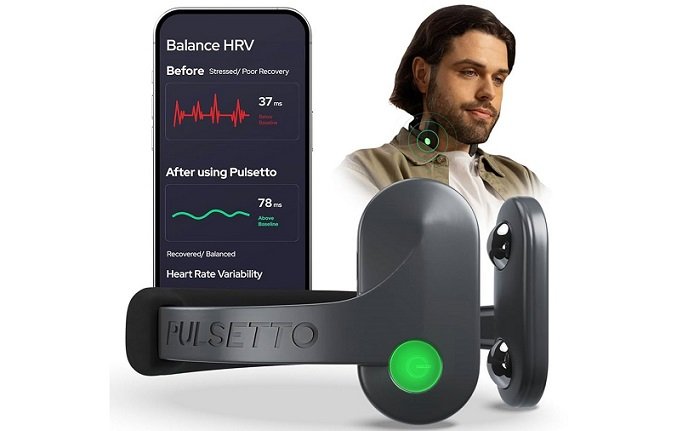
Noninvasive vagus nerve gadgets are trending across the wellness scene
Image Credit: Pulsetto
https://pulsetto.tech
These consumer-targeted devices, often worn around the neck or clipped to the ear, claim to electrically stimulate the vagus nerve, the critical communication highway connecting the brain with the body. From handheld breath-regulating gadgets to sleek electronic neuromodulators, they are marketed as quick fixes for anxiety, burnout, inflammation, and gut issues. This Wellness News report investigates the booming interest, the medical science behind it, and the skepticism it’s stirring in expert circles.
The Science Behind the Buzz
The vagus nerve plays a central role in the parasympathetic nervous system—the so-called “rest and digest” counterpart to the fight-or-flight response. Stimulation of the vagus nerve can theoretically help regulate heart rate, reduce inflammation, and support digestion. Medical-grade VNS systems, which require surgical implantation, have been FDA-approved for years in managing epilepsy and major depressive disorder.
However, the new generation of wellness VNS devices uses non-invasive techniques such as transcutaneous electrical nerve stimulation (tVNS) to send mild pulses to the nerve through the skin, usually around the ear or neck. These devices are often paired with guided breathing exercises to enhance effects, mimicking protocols used in clinical research.
Studies on tVNS are ongoing, with some small trials showing reduced markers of inflammation, improved heart rate variability, and relief from chronic stress or PTSD symptoms. Still, large-scale randomized studies remain scarce, and placebo effects are a serious confounder. Scientists note that while some users experience profound benefits, others report no noticeable changes.
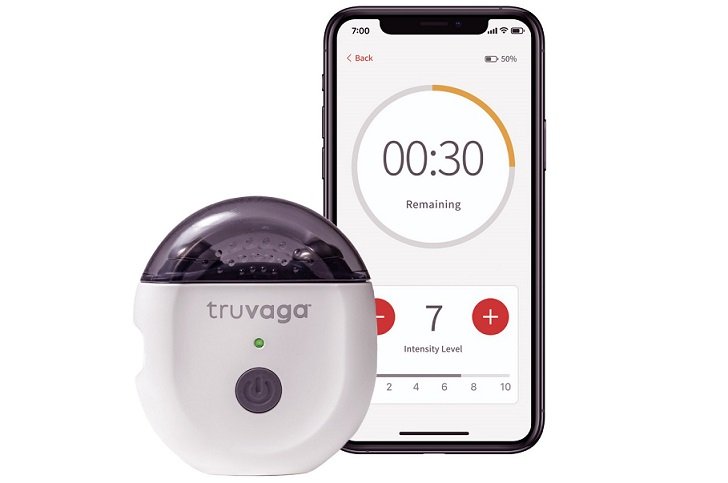
Sales of portable home-use vagus nerve stimulation (VNS) devices have skyrocketed in recent months.
Image Credit: Truvaga
https://www.truvaga.com/
A Market Fueled by Anxiety and Promise
In an era where stress-related disorders are skyrocketing and pharmaceutical solutions often come with heavy side effects, many individuals are turning to VNS gadgets as a safer, more natural path to balance. Brands like Sensate, Pulsetto, Xen, and Apollo Neuro have entered the wellness scene, priced between $150 to over $500, touting benefits that sound almost too good to be true. Social media influencers, Silicon Valley executives, and wellness retreat leaders are promoting these products with claims of “nervous system rewilding” and “deep vagal resets.”
Breath-based stimulation tools like the Moonbird and others that guide paced respiration patterns also market themselves as vagus nerve enhancers, leveraging the nerve’s known response to exhalation length. These approaches are backed by stronger scientific roots in breathwork and mindfulness research, but the addition of biofeedback and vibration is what gives them their biohacking edge.
Red Flags and the Call for Caution
While non-invasive VNS devices are generally safe, experts caution users to approach them with realistic expectations. Some individuals, especially those with certain heart conditions or implanted devices, may be at risk for side effects.
Moreover, critics argue that wellness marketing has outpaced the science, leading to exaggerated promises and vulnerable consumers investing in expensive tools that may not deliver meaningful change.
Doctors and neuroscientists emphasize the importance of combining any nervous system interventions with proper clinical guidance and lifestyle practices such as sleep, diet, and exercise. They also warn that prolonged over-reliance on gadgets could result in a kind of “biohacking dependency” where users avoid addressing root causes of stress or anxiety.
Why the Trend Isn’t Slowing Down Anytime Soon
Despite the uncertainties, the appeal of non-invasive VNS is undeniable. It taps into the human desire for control over mental and physical well-being, particularly during an age of chronic stress and health burnout. The promise of healing from within—without pills or side effects—offers a seductive narrative that technology-savvy consumers are willing to explore, even in the face of limited proof.
As long as mental health and digestive issues remain common complaints, and as long as social media continues to amplify personal success stories, vagus nerve stimulation is likely to remain a key pillar of the biohacking toolkit. Whether it becomes a mainstream wellness staple or fades like past fads will depend on the next wave of research—and how responsibly the market evolves.
For the latest wellness fads and trends, keep on logging to Thailand Wellness News.