


Wellness News: Wellness Foods the Next Global Lifestyle Movement
The global health and wellness foods market is undergoing a seismic transformation as consumers across continents increasingly link nutrition to long-term vitality, immunity, and disease prevention. Valued at USD 860 billion in 2023, the market is projected to surge to USD 1.7 trillion by 2030, expanding at a remarkable compound annual growth rate of 9.45 percent. The shift toward wellness-driven eating is being propelled by rising health consciousness, changing demographics, and a growing understanding of how diet impacts everything from metabolic health to mental wellbeing. In the midst of these changes, this Wellness News report explores how this evolving food revolution is redefining consumer habits, retail strategies, and global nutrition patterns.

The wellness food revolution is transforming diets worldwide, turning nutrition into a lifestyle of preventive health and conscious living.
Image Credit: StockShots
Functional Foods Redefining the Meaning of Eating
Functional foods—those fortified with probiotics, vitamins, minerals, or antioxidants—have emerged as the strongest pillar of this booming sector, generating more than USD 290 billion in 2023 alone. Consumers are moving away from passive consumption toward foods that actively enhance health, aid digestion, strengthen immunity, and improve cognitive performance. The pandemic years further accelerated this shift, as individuals sought nutritional solutions to fortify their immune systems. Preventive healthcare philosophies now drive many purchasing decisions, with people investing in fortified cereals, probiotic yogurts, and immunity-boosting beverages as everyday essentials rather than niche products.
The Rise of Clean Labels and Conscious Consumption
Another defining feature of this transformation is the clean label movement. Shoppers increasingly demand transparency, authenticity, and simplicity in their food choices. Artificial additives, preservatives, and vague ingredient lists are being replaced by natural, plant-based, and organic alternatives. This trend is especially pronounced in North America and Europe, where regulatory agencies have pushed for stricter labeling standards and clearer product disclosures. Manufacturers are responding with cleaner formulations, reduced sugar and sodium content, and sustainable packaging—moves that align with the growing ethical and environmental awareness of modern consumers.
Organic and Plant-Based Foods Taking Center Stage
Organic foods are forecasted to grow at a stunning CAGR of 13.8 percent through 2030. Their rise is largely fueled by the perception that they are safer, pesticide-free, and more nutritious. Government initiatives supporting organic farming, along with stricter certification standards, have built consumer confidence in these products. Simultaneously, plant-based nutrition has become a global lifestyle choice rather than a dietary trend. From tofu protein bars in Tokyo to chickpea pasta in New York, plant-derived foods are gaining traction for their sustainability benefits and their role in reducing chronic diseases such as heart ailments and diabetes.
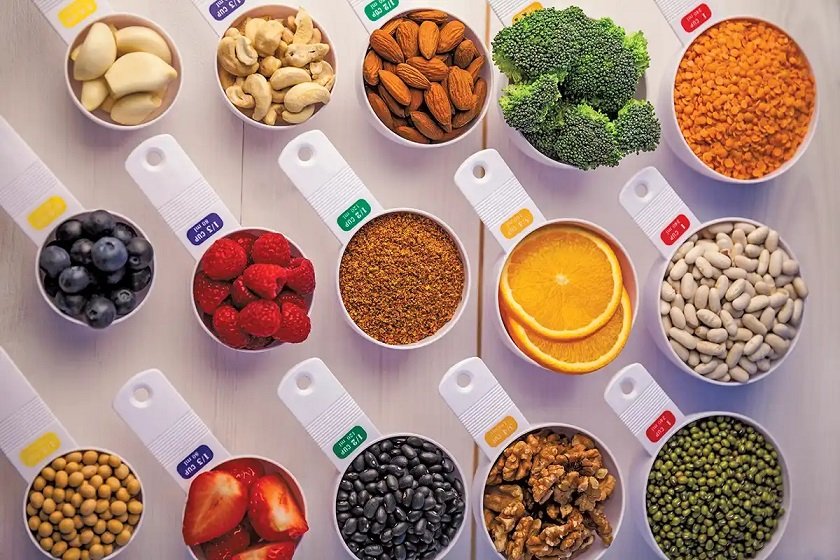
The wellness food market is expected to grow at exponential rates in coming years
Image Credit: StockShots
The Power of Healthy Beverages and Smart Snacking
Healthy beverages—ranging from probiotic drinks to herbal tonics and energy infusions—are another major growth segment. These products combine hydration with functional benefits, appealing to busy professionals and fitness enthusiasts alike. Similarly, the healthy snacking revolution is changing how people eat between meals. Nutrient-dense snacks, protein-rich bites, and baked alternatives are replacing sugary and processed options. Millennials and Gen Z consumers are especially driving this transformation, opting for portable, nutritious foods that support an active lifestyle without compromising taste or convenience.
Supermarkets and Online Retail Revolutionizing Access
Supermarkets, hypermarkets, and online platforms are central to distributing wellness foods globally. In 2023 alone, supermarkets accounted for over USD 400 billion in sales of health-oriented foods. Retailers are also hiring nutritionists and wellness consultants to guide shoppers in choosing better products. Meanwhile, e-commerce platforms are reshaping accessibility—allowing consumers to browse nutritional facts, compare ingredients, and order directly from producers. Online sales of health and wellness foods are expected to grow at 11.5 percent annually, driven by the convenience of mobile shopping and the rise of direct-to-consumer business models.
Regional Trends and Global Drivers
North America remains the largest market, valued at USD 290 billion in 2023, with the United States contributing nearly USD 260 billion. The demand for clean-label and functional foods continues to grow alongside the region’s heightened awareness of obesity and chronic disease prevention. In Europe, countries like Germany lead the organic movement, blending traditional dietary principles with modern nutritional science. Meanwhile, the Asia Pacific region—projected to grow at 9.9 percent annually—is emerging as the new frontier for wellness foods. Cultural traditions rooted in Ayurveda, Chinese medicine, and holistic nutrition have made Asian consumers especially receptive to functional and natural products.

Probiotic foods are another growing craze in the wellness revolution
Image Credit: StockShots
Challenges Ahead and The Future of Wellness Foods
Despite its impressive growth, the industry faces hurdles such as high production costs and limited consumer education. Many wellness foods are priced at a premium due to expensive ingredients and specialized processing, restricting access for lower-income consumers. Furthermore, misleading marketing and lack of nutritional literacy can confuse buyers. Yet, technological innovation and broader market competition are expected to gradually make health-oriented foods more affordable and transparent. As major players like Nestlé, Danone, PepsiCo, and Glanbia continue to innovate, the global wellness food movement will likely merge luxury nutrition with everyday accessibility.
As the boundaries between food, medicine, and lifestyle continue to blur, wellness foods are no longer a passing trend—they represent a profound cultural shift toward mindful consumption and preventive health. In the coming decade, this sector will not only feed the world but also shape how humanity approaches wellness, aging, and longevity.
For the latest on wellness foods, keep on logging to Thailand Wellness News.