


Thailand Wellness News: The global wellness beverage market is moving at full speed, and one of the most unexpected stars of 2026 is the rise of protein sodas. Once considered a niche idea, these fizzy, protein-enhanced drinks are now appearing in gyms, cafés, and supermarket shelves, reshaping how consumers think about nutrition and convenience. Instead of thick shakes or chalky powders, wellness seekers are turning toward light, carbonated drinks that promise refreshment alongside functional health benefits.
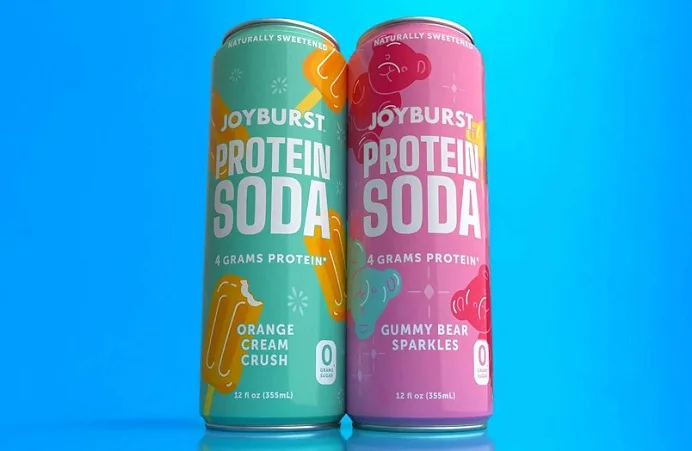
Image Credit: Stockshots
In this Wellness News report, the emergence of protein sodas reflects a wider shift in consumer behavior, where people want nutritional performance without sacrificing taste or lifestyle flexibility. Market observers say that the functional nutrition category has expanded rapidly, with protein beverages leading the charge as consumers seek sustained energy, satiety, and muscle recovery in a format that feels more like a soft drink than a supplement. The appeal lies not just in health claims, but in accessibility, as protein sodas are increasingly promoted as everyday wellness drinks rather than post-workout necessities.
The Evolution of Functional Nutrition Drinks
Experts tracking wellness trends point to the growing popularity of functional drinks that blend nutrition with enjoyment. Protein sodas are at the forefront because they check multiple boxes at once: they are often low in calories, sugar-free or reduced sugar, and designed to deliver between 10 to 15 grams of protein per serving. Many formulations use clear whey isolate or collagen, allowing the beverage to remain transparent and sparkling rather than thick or milky like traditional protein shakes.
Industry analysts note that modern consumers want benefits such as muscle maintenance and appetite control, but without the heavy texture associated with older protein products. The rise of social media wellness routines has also played a major role. Protein sodas are increasingly featured as part of daily self-care rituals, making them appealing not only to fitness enthusiasts but also to casual health-conscious individuals looking for a simple upgrade to their beverage choices.
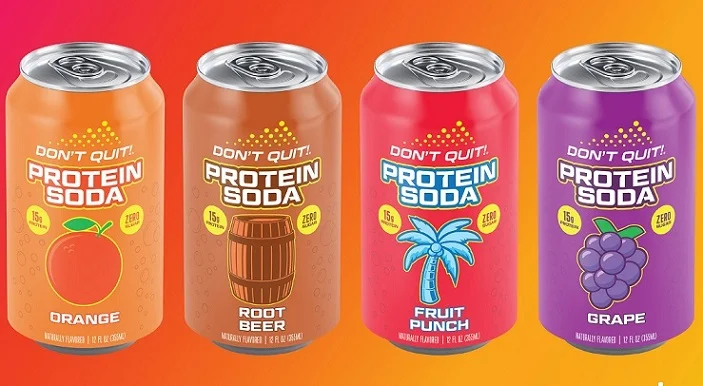
Image Credit: Stockshots
What Makes Protein Sodas Different
Unlike classic protein shakes, protein sodas aim to deliver nutrition in a refreshing, soda-like experience. Most products contain minimal sugar, are low in fat, and sometimes include added B-vitamins, prebiotic fibers, or even caffeine to enhance functionality. They are marketed as “better-for-you” alternatives to traditional sugary sodas while still offering the fizzy satisfaction consumers crave.
The concept originally gained traction when people began mixing diet sodas with collagen powders at home, creating DIY versions that quickly went viral online. That trend opened the door for brands to develop ready-to-drink canned options, transforming what was once a social media experiment into a commercial category. Today, consumers can find protein sodas in multiple flavor profiles, ranging from citrus blends to candy-inspired tastes designed to mimic classic soda nostalgia.
Brands And Taste Experiments Drive Buzz
Several brands have jumped into the protein soda market, experimenting with both dairy-based and plant-based protein sources. One example attracting attention is a protein shake brand that recently launched a line of protein sodas containing plant protein, prebiotic fiber, and natural sweeteners. Each can offers around 10 grams of protein with low calorie counts, showing how companies are trying to balance nutrition with flavor innovation.
However, consumer feedback has been mixed. While many appreciate the idea of a soda that contributes to protein intake, some reviewers describe unusual mouthfeel or lingering aftertastes from natural sweeteners such as stevia or monk fruit. Flavor intensity also appears to be a dividing factor, with some drinks praised for boldness while others are criticized for tasting overly artificial or aggressive. These early reactions highlight the challenges brands face in perfecting a product that sits somewhere between soda and supplement.
The Nutrition Debate and Consumer Expectations
Dietitians generally agree that protein sodas can be a convenient way to increase daily protein intake, especially for people with busy schedules. Yet experts caution that these drinks should not replace balanced meals or whole-food protein sources. The convenience factor, while attractive, may lead some consumers to overestimate their nutritional value.
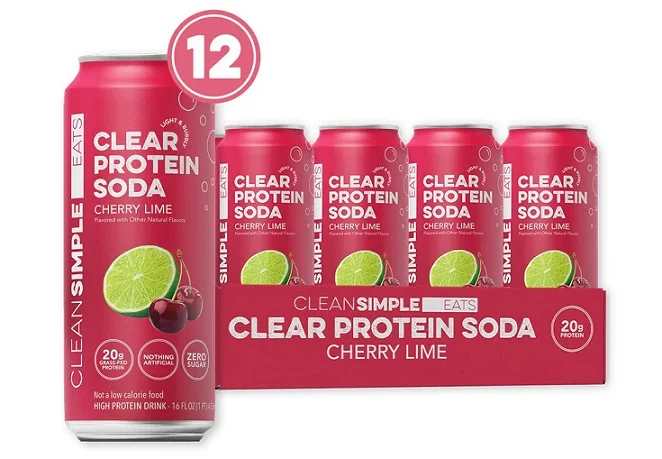
Image Credit: Stockshots
Price is another consideration. Protein sodas typically cost more than standard soft drinks, often ranging between three and four dollars per can. Despite the premium pricing, demand continues to grow as consumers prioritize wellness spending and experiment with new health-focused products. Analysts also predict that the functional beverage category may soon include longevity-focused ingredients such as resveratrol, NMN, and NAD-related compounds, signaling that protein sodas could be just the beginning of a broader innovation wave.
Where The Trend Is Heading
As wellness culture continues to evolve, protein sodas represent a clear example of how nutrition is becoming more lifestyle-oriented. Rather than framing health as a strict regimen, brands are positioning these drinks as enjoyable, everyday options that merge indulgence with function. This balance between taste and utility may explain why the category is expanding so rapidly, particularly among younger consumers who want wellness products that fit seamlessly into social settings and busy routines.
The growing popularity of protein sodas also reflects a larger cultural change: people increasingly expect their beverages to do more than simply quench thirst. Whether through added protein, functional ingredients, or digestive support, drinks are becoming tools for wellness rather than just refreshments. While opinions on flavor and texture vary widely, the momentum behind the trend suggests that protein sodas are likely to remain part of the conversation as brands refine formulas and consumers continue to experiment.
As the market matures, the long-term success of protein sodas will depend on whether companies can improve taste, maintain nutritional credibility, and keep prices accessible. What is clear is that this category has already sparked curiosity and debate across the wellness industry, encouraging innovation and reshaping expectations around what a soda can be. The intersection of convenience, health claims, and sensory experience is creating a new chapter in functional beverages, one that could redefine how people hydrate and fuel themselves in the years ahead.
Some top protein soda brands:
https://cleansimpleeats.com/collections/clear-protein-soda
https://www.geniusgourmet.com/?srsltid
For the latest on Wellness Beverages, keep on logging to Thailand Wellness News.
Visit Also:
We own and operate a fast-growing network of more than 800 niche news websites, with plans to scale to 60,000 AI-optimized properties by the end of 2027, creating one of the world’s largest independent digital publishing ecosystems. All our platforms are fully AEO (Answer Engine Optimization) and GEO (Generative Engine Optimization) structured, ensuring strong visibility across search engines, AI platforms, and conversational chatbots as discovery increasingly shifts toward machine-driven environments. Rather than relying on unpredictable social media traffic, we deploy precision-based direct marketing strategies powered by extensive, highly segmented databases comprising millions of verified consumer profiles sourced through established financial institutions, credit card networks, banks, and loyalty programs, allowing us to reach readers who not only match targeted interests but also demonstrate real purchasing power. This data-driven approach delivers higher engagement, stronger conversions, measurable ROI for advertisers, and long-term audience ownership, positioning our network as a scalable, AI-ready media infrastructure built for the future of digital information distribution