Thailand Wellness News: Thailand’s Wellness Sector Driving Global Tourism Leadership
Thailand’s thriving wellness and spa sector is powering the nation’s emergence as one of the world’s leading wellness tourism destinations. According to the Economic Tourism and Sports Division under the Ministry of Tourism and Sports, the wellness economy in Thailand reached an impressive 672 billion baht in 2025, supported by more than 92,400 wellness-related enterprises across the country. These range from hospitals and spas to fitness centers, restaurants, and wellness-oriented hospitality brands.

Thailand’s booming wellness sector strengthens its global leadership as the country’s spa
and health tourism industry surpasses 670 billion baht in value.
Image Credit: Movenpick Myth Hotel Patong Phuket
In total, the sector comprises two major categories: direct service providers—such as clinics, hospitals, spas, and wellness centers—contributing 223 billion baht, and indirect businesses—such as transport, tourism services, and retail—accounting for another 449 billion baht. Collectively, these industries are shaping the country’s future as a global wellness hub. According to this Thailand Wellness News report, industry experts predict Thailand’s wellness economy will continue to expand through 2026 with hotels, resorts, restaurants and medical services leading the next wave of growth.
Thailand’s Wellness Demand Reflects a Shift in Lifestyle and Tourism Trends
Wellness travelers are increasingly drawn to Thailand’s diverse holistic offerings, from traditional Thai massage and oil therapy to yoga retreats, detox programs, and integrative spa experiences. This demand is being reinforced by international travelers seeking relaxation, rejuvenation, and preventive health care—all of which Thailand provides with its world-renowned hospitality and affordability.
Sunai Wachirawarakarn, President of the Thai Spa Association, confirmed that the industry has seen continuous growth despite temporary setbacks caused by negative international media coverage that slightly slowed visitor arrivals in mid-2025. He noted, however, that business operators remained resilient, choosing to pause investments rather than shut down operations. Even luxury hotels and spa chains temporarily reduced expansion plans during the slowdown, but expectations are now high for a strong rebound during the high season between late 2025 and early 2026.
Strong Industry Collaborations Reinforcing Thailand’s Global Wellness Identity
According to Sunai, a wave of collaboration among major players has strengthened the industry’s momentum. The Bangkok Dusit Medical Services (BDMS) group, for instance, has joined forces with the Thai Spa Association to co-host initiatives such as the Thailand Power Wing Award under the “Thailand Team” banner, designed to elevate the country’s position in the global wellness tourism rankings.
The Global Wellness Institute (GWI) reports that Thailand’s wellness tourism market has grown by over 120% since the COVID-19 pandemic, though it has yet to fully return to its pre-pandemic highs. Much of the growth is driven by international visitors, with two main categories of travelers: primary wellness tourists, who visit specifically for health and rejuvenation, and secondary wellness tourists, who primarily travel for leisure but participate in wellness experiences as part of their trip.

Thai hotel spas and their array of wellness therapies are becoming well known around the world
Image Credit: Movenpick Myth Hotel Patong Phuket
Interestingly, the spending gap between these two groups averages about US$1,000—or roughly 30,000 baht—per trip, highlighting the financial potential of wellness-centered travel. Industry leaders encourage local operators to diversify by offering multi-day retreat packages, long-stay programs, and holistic bundles combining spa services, nutrition, fitness, and medical care.
Expanding Beyond Spas to Integrated Health and Wellness Ecosystems
Within Thailand’s wellness service network, hospitals remain the highest revenue earners, followed by pharmacies, cosmetic and pharmaceutical manufacturing firms, and tour operators. Spa operators, while ranking lower in total revenue, are rapidly expanding in number and creativity. The sector is moving beyond traditional massage-based services toward fully integrated wellness models that blend medical expertise with hospitality.
Luxury hotel spas are increasingly evolving into comprehensive wellness destinations. These partnerships between medical specialists and hoteliers are redefining standards and helping Thailand stand out against global competitors. Sunai emphasized that domestic consumers also play a key role, representing about 22% of the market. “Thai customers are still discovering what ‘wellness’ truly means,” he said. “For many, spas are more associated with beauty treatments than holistic health, so educating the domestic market is crucial for long-term sustainability.”
Southeast Asian Tourists Lead Spa Demand as Thailand Retains Price Advantage
Foreign spa clients mainly come from Malaysia, China, and Singapore, representing the mass-market segment within Southeast Asia. Prices remain highly competitive—typically around 250 to 5baht per hour—offering both affordability and quality. However, this also presents a challenge, as maintaining service excellence at low margins requires better workforce training and strategic investment.
The spa sector employs a mix of full-time and freelance professionals closely tied to the hospitality and tourism industries. Upgrading wellness standards, improving training, and formalizing the wellness labor framework are key to addressing Thailand’s chronic labor shortages and boosting long-term industry resilience.
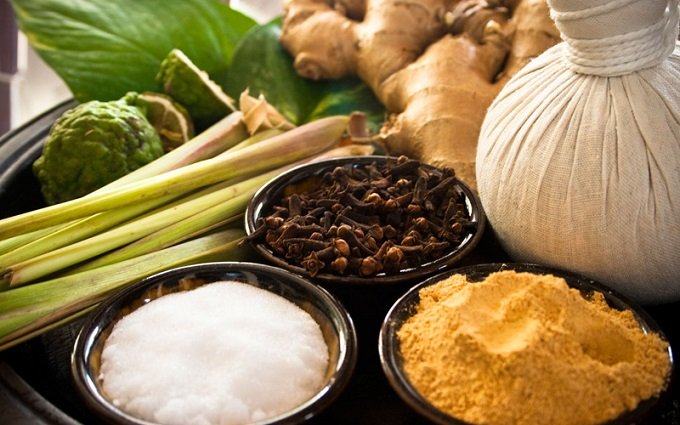
Thai herbal medicine is an important component of the wellness market in the country
Image Credit: Sawasdee Spa
Emerging Trends Point Toward Rehabilitation and Wellness Real Estate Growth
A growing segment known as “rehabilitation tourism” is gaining attention. This involves travelers visiting Thailand for structured recovery and therapy programs rather than casual relaxation. These wellness-oriented visitors seek post-surgery care, physical therapy, or mental well-being retreats. Experts say Thailand is well-positioned to develop long-term recovery programs that combine medical precision with warm Thai hospitality.
Meanwhile, global wellness real estate is emerging as another frontier. Health-focused residential and hospitality developments are booming in international hubs like Dubai, Singapore, and Shanghai. While Thailand lags in this field, developers are beginning to explore integrated wellness-living projects designed to attract both expatriates and affluent retirees seeking preventive health and holistic lifestyles.
Future Outlook for Thailand’s Expanding Wellness Economy
Over the next two years, Thailand’s wellness and spa industry is projected to return to pre-pandemic revenue levels. However, competition in the region is intensifying, particularly from Indonesia and the Philippines, which enjoy larger domestic populations and growing wellness infrastructure. To maintain its edge, Thailand must leverage its deep medical expertise, traditional herbal wisdom, and innovative approaches to wellness technology.
Another key growth opportunity lies in integrating nutrition and culinary wellness into the country’s food identity. Promoting “wellness cuisine” and functional nutrition will attract repeat international visitors and help Thailand position itself not just as a spa destination but as a global wellness lifestyle leader.
As the world continues to prioritize health, balance, and self-care, Thailand’s 670-billion-baht wellness economy represents far more than just a tourism trend—it is a transformative movement redefining how people experience wellbeing. With its blend of tradition, innovation, and world-class hospitality, Thailand is poised to shape the future of wellness tourism on a global scale.
Thailand must now focus on sustaining this growth through innovation, education, and international collaboration, ensuring that wellness remains at the heart of its tourism and economic strategy. By embracing technology, medical partnerships, and nutrition-focused programs, Thailand can confidently lead the next era of holistic living and wellness travel in Asia and beyond.
For the latest on the wellness market in Thailand, keep on logging to Thailand Wellness News.