Thailand Wellness News: A Renewed Vision for Thailand’s Tourism Recovery
Thailand is making a bold move to rejuvenate its slowing tourism industry by turning to the booming global wellness sector. The government has launched a major initiative to position the nation as a leading wellness tourism hub, blending traditional Thai healing wisdom with modern medical innovations. In 2019, Thailand welcomed an impressive 39 million international visitors, but the pandemic dealt a severe blow to its tourism-dependent economy. While 2024 saw a recovery with about 35 million arrivals, early figures for 2025 point toward a potential shortfall. Tourism makes up around 15 percent of Thailand’s GDP, making revitalization critical to national economic stability. To achieve this, the country is harnessing the potential of its wellness industry — one of the 13 soft power sectors prioritized by the National Soft Power Strategy Committee.
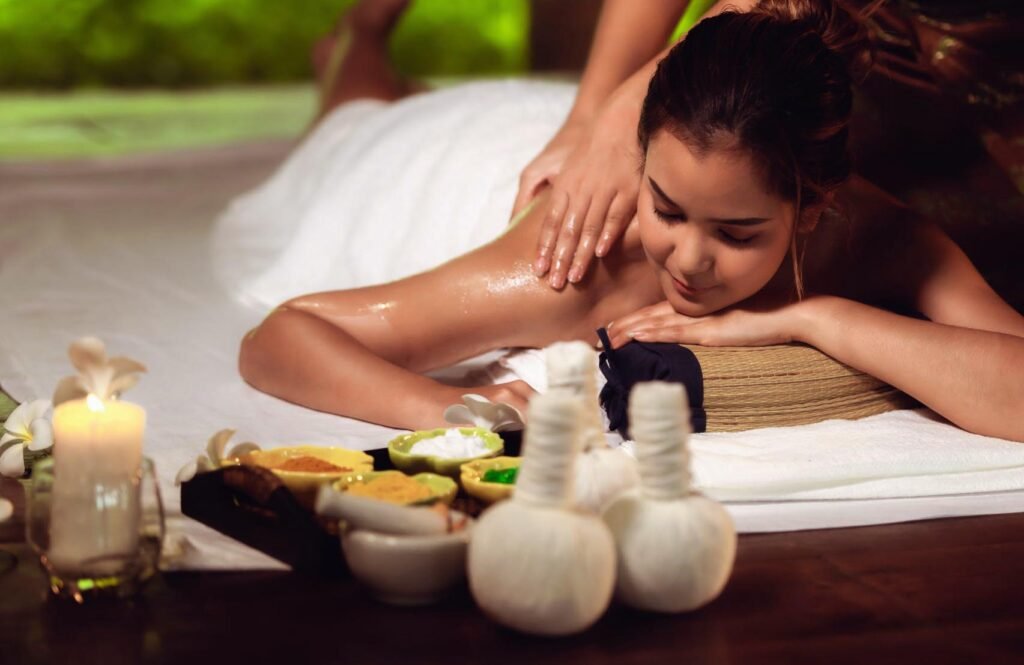
Thailand harnesses its rich healing traditions and modern innovations to position itself as a global wellness destination driving the nation’s tourism revival.
Image Credit: StockShots
In this Thailand Wellness News report, it becomes clear that the government’s renewed emphasis on wellness is not merely an economic policy but a cultural renaissance aimed at reintroducing “Thainess” to the world
Understanding Thailand’s Multi-Billion-Dollar Wellness Industry
The wellness economy, currently valued at roughly USD 35 billion, includes diverse sub-sectors such as traditional Thai medicine, herbal products, personal healthcare, and beauty. Among its 11 major categories, healthy eating accounts for about 25 percent, while wellness tourism represents more than 22 percent. By 2025, the health and wellness industry is expected to generate THB 690 billion, representing around 3.4 percent of Thailand’s GDP. Globally, Thailand ranks 15th as a wellness tourism destination, a position it hopes to strengthen through strategic branding and international engagement.
Wellness Showcased on the Global Stage
At the recent 2025 Osaka Expo, Thailand’s pavilion, themed “Phoumi Vimana” or “Land of Immunity,” had drawn more than 200,000 visitors. Located in the “Connecting Lives for Greatest Happiness” zone, the exhibit promoted the nation’s wellness tourism offerings — from herbal products and medical facilities to traditional cuisine — all under the charm of its mascot, “Nang Phoumichai.” The showcase reinforced Thailand’s reputation as a country where wellness is a way of life, not merely a service.
Rooted in Heritage and Nature
Thailand’s approach to wellness is deeply intertwined with its cultural and spiritual respect for nature. Central to this identity is “Nuad Thai,” or traditional Thai massage, recognized by UNESCO as an Intangible Cultural Heritage since 2019. The renaming and international promotion of Nuad Thai highlight Thailand’s commitment to preserving and modernizing its ancient practices. As Thai wellness evolves, it continues to embody the principle that “Thainess is a meaningful way of life aligned with a deep respect for nature.” This philosophy now extends beyond healing to prevention, as global health trends shift toward longevity, mindfulness, and proactive wellbeing.
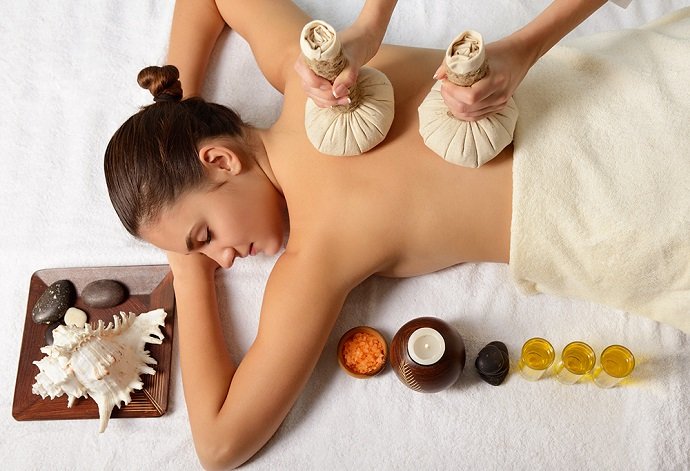
Thai Traditional Massage or Nuad Thai is now a well-known wellness product globally
Image Credit: StockShots
Building the Thainess Wellness Destination Network
The Thai government has launched a large-scale initiative to establish certified wellness centers across the country, all under the “Thainess Wellness Destination” program. As of 2025, 1,692 centers are operational, offering holistic experiences that merge sustainability with cultural authenticity. A standout example is Patom, led by CEO Anak Navaraj. The brand integrates wellness, ecology, and community development by operating an organic village that allows guests to participate in activities such as rice planting, herbal inhaler making, and natural flower stamping. Three percent of its profits are reinvested into local farming initiatives, reinforcing Thailand’s commitment to a circular economy.
Wellness Tourism Meets Luxury and Sustainability
Other destinations like RXV Village blend accommodation with therapeutic experiences such as aquatic therapy, crystal sound relaxation, and Nuad Thai sessions. This combination of high-end hospitality and holistic healing is reshaping Thailand’s tourism identity — one that goes beyond sightseeing to self-rejuvenation. Yet, while these wellness-driven projects promise significant GDP contributions, experts warn that inclusivity must remain a priority. The challenge lies in ensuring wellness is accessible to all and not confined to the realm of luxury travelers.
As Thailand redefines itself as a global center for holistic living, wellness tourism could become the backbone of its post-pandemic recovery. The nation’s fusion of ancient traditions, sustainable practices, and modern healthcare innovation positions it to lead the next wave of global wellbeing tourism. However, to succeed long-term, Thailand must balance profit with authenticity, ensuring that the pursuit of wellness remains rooted in cultural integrity and community benefit.
For the latest about the wellness industry in Thailand, keep on logging to Thailand Wellness News.