Wellness News: A New Era of Social Wellness
Across major cities in the world, a new kind of members club is taking shape — one that replaces cocktails with cold plunges, champagne with sound baths, and late-night parties with infrared saunas. Private wellness member clubs have become the new playgrounds for the health-conscious elite, offering a blend of luxury, community, and rejuvenation. This new movement reflects the cultural shift toward health optimization and human connection in a post-pandemic world, where wellness has become the new social currency.
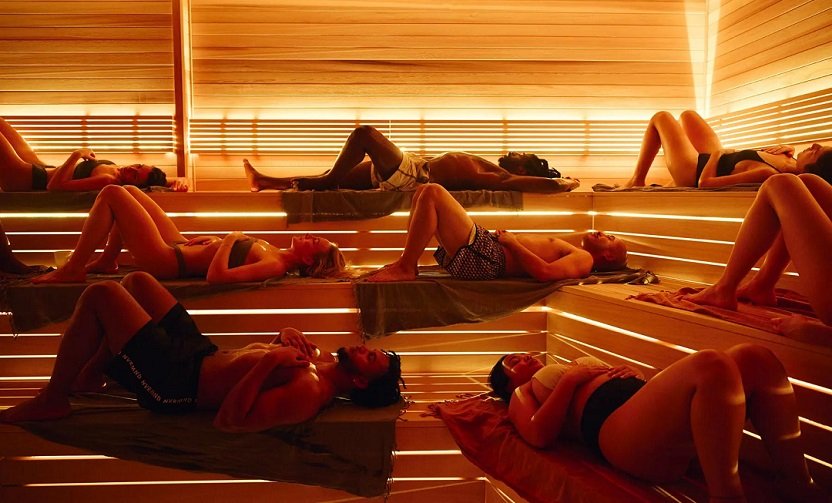
Private wellness clubs are redefining luxury and connection, turning health into the new social experience for a new generation
Image Credit: Othership Toronto
Over the past few years, wellness-focused “third spaces” have begun reshaping how affluent urbanites interact. From Toronto’s Othership to Santa Monica’s Proper Club and Dubai’s Peaq Wellness, these sanctuaries combine the intimacy of traditional social clubs with the benefits of holistic well-being. Midway through this Wellness News report, it becomes clear that what started as a niche concept has transformed into a billion-dollar industry redefining how people socialize, relax, and belong.
Ice Baths and Sound Baths Replace Nightclubs
The story began humbly in 2019 when Toronto entrepreneurs Robbie Bent and Myles Farmer turned a backyard sauna and ice bath into a thriving community. Their creation, Othership, now has four physical locations across Toronto and New York, offering everything from guided breathwork to DJ-led plunges. Earlier this year, the founders secured $11.3 million in funding to expand further into the U.S. The success of Othership underscores a growing global appetite for wellness-centered socialization.
Similar ventures are popping up everywhere: Continuum in New York, where memberships can reach $10,000 a month, offers hyperbaric chambers and doctor consultations; Surrenne, part of the Maybourne Hotel Group in London, hosts orchestral pool floats; and Los Angeles’ Remedy Place redefines the nightclub experience by swapping alcohol for cryotherapy. Each club offers its unique take on what it means to be well and connected in an increasingly disconnected world.
The Rise of Wellness as Social Belief
What sets these clubs apart isn’t only the saunas or spa treatments but their sense of community. According to Continuum founder Jeff Halevy, wellness is “a belief system,” one that unites people across social and professional boundaries. Members might include pop stars, lawyers, and tech executives — all drawn together by a shared philosophy that health and longevity matter as much as wealth and status.
Interestingly, Harvard Medical School’s decades-long research has shown that social connection — not diet or exercise — is the most significant predictor of long-term health. Wellness clubs capitalize on this fact, offering curated spaces where strangers can connect meaningfully without the pretense of nightlife or networking events. In big cities where loneliness runs high, the opportunity to connect through shared well-being rituals has proven magnetic.
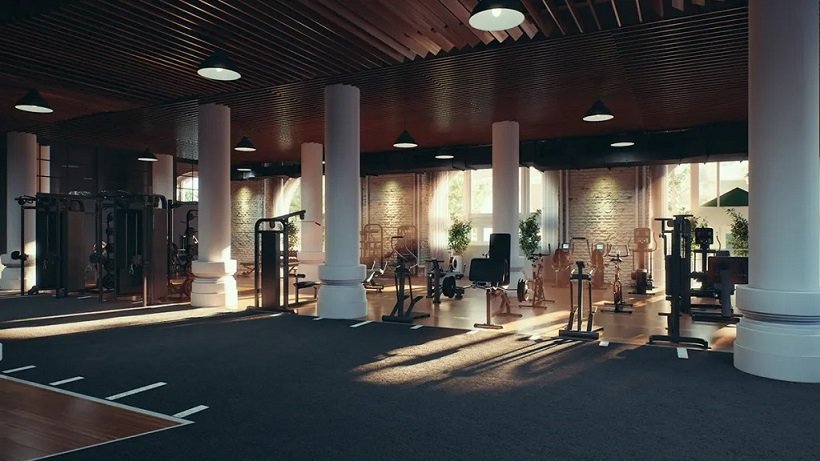
Private wellness clubs are becoming the new trend for the rich and middle classes.
Image Credit: Continuum New York
From Hammams to Hyperbaric Chambers
The concept of communal wellness is far from new. Cultures worldwide have long celebrated health through collective rituals — from Japanese sentos and Korean jjimjilbangs to Turkish hammams and Finnish saunas. The modern iteration simply updates these age-old practices with luxury amenities, expert-led sessions, and digital enhancements.
Santa Monica’s Proper Club, for example, spent $4 million upgrading its wellness facilities with the futuristic “Ammortal Chamber,” a sound and infrared therapy bed designed to optimize relaxation. Meanwhile, The Altar in New York, launching in late 2025, will include immersive saunas, guided ceremonies, and aesthetic lighting designed to foster conversation and connection. These spaces aim not to isolate people from urban life but to integrate well-being into their daily routines, merging ancient practices with modern science.
The Social Club Reinvented
Leading figures in the industry argue that wellness member clubs are not fleeting trends but a new form of social infrastructure. Jonathan Leary, CEO of Remedy Place, describes the phenomenon as a “global movement.” Once dismissed as a uniquely Los Angeles fad, wellness clubs have now taken root in cities such as Boston, Dubai, Paris, and New York.
At the Santa Monica Proper Hotel, where DJs like Anderson Paak once dominated rooftop parties, guests now attend breathwork classes, sound therapy sessions, and longevity panels. The line between socializing and self-care has blurred. For many young professionals, especially Gen Z and Millennials, the idea of “wellness nightlife” offers the same thrill as traditional social scenes — but without the hangovers.
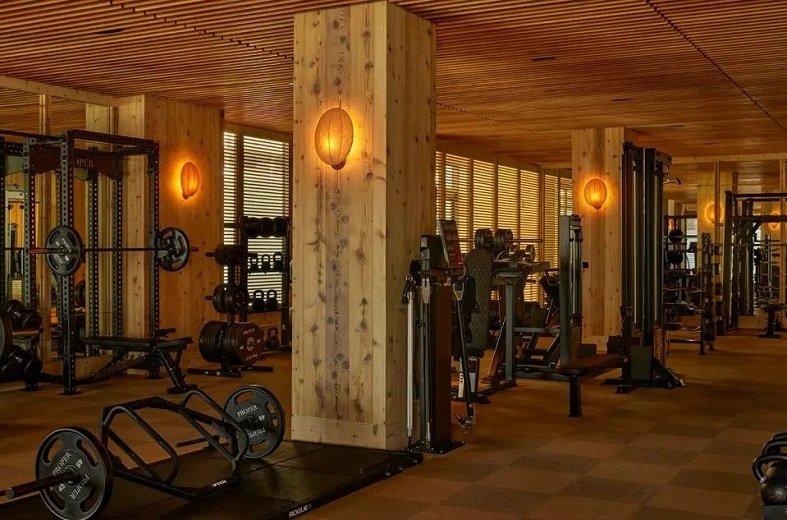
In Santa Monica, the younger generations are moving away from partying and drinking and towards wellness clubs
Image Credit: Santa Monica Proper Hotel
Expansion and the Next Phase
The business potential of wellness member clubs is vast. Hume, a sleek wellness venue in Venice Beach inspired by Moroccan hammams, is already scouting new locations in East LA, New York, and Florida. Othership plans to open its largest club on New York’s Upper East Side, while Surrenne is eyeing a U.S. debut after its Paris expansion in 2027.
However, as with all booming industries, challenges loom. The high price of membership risks alienating all but the affluent, and the industry may face “subscription fatigue” as more luxury clubs enter the market. Competitors such as Soho House, Equinox, and Life Time are rapidly integrating wellness features into their existing portfolios, creating a saturated field that could test how far consumers are willing to pay for well-being.
A Shift in Modern Living
Despite these concerns, the surge in private wellness member clubs symbolizes a profound shift in global culture. Wellness is no longer a solitary pursuit but a shared experience — a lifestyle woven into social interaction, identity, and even status. As urban populations grapple with stress, isolation, and digital fatigue, these sanctuaries of healing offer an alternative way of living, one centered on presence, balance, and human connection.
What began as a few friends sharing ice baths in a garage has evolved into an international movement reshaping how we define success and community. Whether this wave becomes a permanent fixture of urban life or fades as another luxury trend, it has already altered the way the world approaches wellness — as something not only to be achieved but also to be shared.
For the latest on wellness clubs and wellness trends, keep on logging to Thailand Wellness News.