Wellness Biohacking: How NAD Boosters Protect the Eyes
Researchers from the Department of Food Science and Nutrition and the Korean Institute of Nutrition at Hallym University in Chuncheon, Republic of Korea, have found that boosting levels of nicotinamide adenine dinucleotide (NAD+), a vital molecule for cell energy, could help prevent or delay vision loss caused by retinal diseases such as age-related macular degeneration (AMD) and diabetic retinopathy (DR).
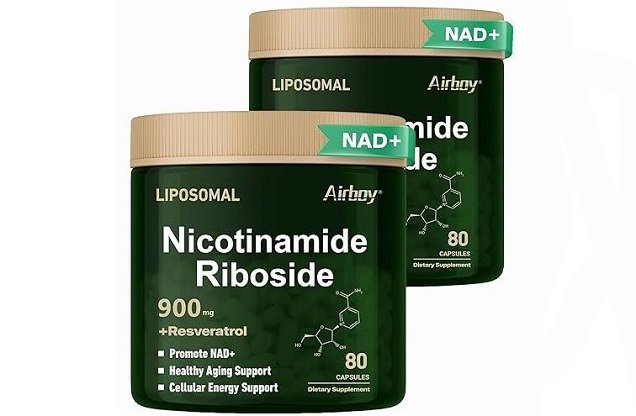
NAD boosters like nicotinamide mononucleotide and nicotinamide riboside could help prevent vision loss from aging & retinal diseases
Image Credit: StockShots
According to this Wellness Biohacking news report, NAD+ is crucial for mitochondrial function, DNA repair, and cell survival. When NAD+ levels decline with age or disease, retinal cells experience energy loss, oxidative stress, and inflammation—all of which can damage vision. The researchers discovered that NAD+ boosters like nicotinamide mononucleotide (NMN) and nicotinamide riboside (NR) can restore this balance, enhance energy metabolism, and protect against neurovascular injury in the retina.
Why NAD+ Levels Decline with Age
As people age, NAD+ levels naturally decrease in tissues such as the eyes and brain. This drop is linked to the dysfunction of enzymes like CD38, PARP, and SARM1 that use up NAD+. The resulting shortage causes mitochondrial problems, promotes the release of reactive oxygen species (ROS), and contributes to chronic low-grade inflammation known as “inflammaging.” These biological processes accelerate retinal degeneration and optic nerve damage.
How NAD+ Boosters Support Eye Health
NAD+ boosters—such as vitamin B3 derivatives like nicotinamide, NMN, and NR—work by replenishing NAD+ levels in cells. They activate sirtuins (SIRT1, SIRT3, and SIRT6), enzymes that reduce inflammation and oxidative stress while improving mitochondrial function. The research team found that these molecules could reverse or slow cellular aging in the retinal pigment epithelium (RPE), the cell layer vital for vision preservation.
For example, animal studies showed that NMN reduces inflammation and senescence in retinal cells, while NR protects against retinal neuron death by suppressing microglial activation and inflammation. Nicotinamide itself was observed to protect diabetic rats’ retinas from oxidative DNA damage and neurodegeneration.
Natural Compounds and NAD+ Synergy
The study also highlighted how certain natural products may act as NAD+ boosters. Compounds like resveratrol (found in grapes), curcumin (from turmeric), berberine, and ginseng-derived ginsenosides have demonstrated protective effects against retinal damage by enhancing mitochondrial resilience and reducing oxidative stress. Nutrients like lutein, zeaxanthin, and omega-3 fatty acids were also shown to lower AMD risk when combined with NAD+ support.
Clinical Implications and Future Directions
Although clinical studies on NAD+ supplements in humans are still limited, early results show these compounds are safe and can raise NAD+ levels in blood and tissues. Researchers emphasize the need for large-scale trials to confirm their effectiveness in preventing or treating retinal diseases. Future therapies could combine NAD+ boosters with natural antioxidants and targeted eye-delivery systems, such as nanoparticle-based methods, for more efficient retinal protection.
What This Means for the Future of Eye Care
The findings suggest that maintaining optimal NAD+ levels could play a crucial role in delaying retinal aging, improving mitochondrial performance, and preventing vision-threatening diseases like AMD and DR. The researchers believe that dietary and lifestyle interventions enhancing NAD+ metabolism could complement conventional treatments and redefine how age-related eye disorders are managed.
The study findings were published in the peer-reviewed International Journal of Molecular Sciences.
https://www.mdpi.com/1422-0067/26/22/10923
For the latest on Wellness Biohacking, keep on logging to Thailand Medical News.