


Wellness Biohacking: Scientists Discover a Molecule That Acts Like a Workout for the Body
A groundbreaking study from the Chinese Academy of Sciences and Xuanwu Hospital at Capital Medical University has revealed that a natural compound produced by the kidney—known as betaine—can replicate many of the anti-aging and rejuvenating benefits of physical exercise. This research, published in the peer-reviewed journal: Cell, sheds light on how exercise works at a molecular level to slow down aging and enhance overall health.What is great is that betaine is now available as an oral supplement in many health stores and pharmacies.
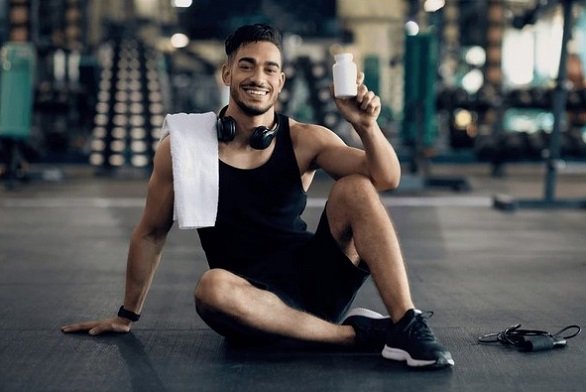
Scientists find that betaine, a natural kidney compound, can mimic exercise’s rejuvenating effects and slow aging.
Image Credit: Shutterstock
Over a six-year investigation, researchers monitored the biological effects of both short-term and long-term exercise in 13 healthy men. They studied molecular shifts in genes, proteins, metabolites, and gut bacteria during rest, after a single 5-kilometer run, and following 25 days of daily running. The data revealed that the kidney plays a central role in coordinating the body’s rejuvenating response through the metabolite betaine. This Wellness Biohacking news report explores how this molecule may become the next frontier in anti-aging therapy.
The Exercise Paradox and the Body’s Response to Stress
The scientists described what they termed the “exercise paradox.” A single workout temporarily triggers inflammation and metabolic disruption, but consistent exercise rebuilds stability and enhances the body’s defense systems. Over time, the gut microbiome becomes more balanced, oxidative stress decreases, and immune cells regain their youthful vigor. These changes occur partly because regular exercise activates the kidney’s production of betaine, which helps maintain DNA integrity and suppresses harmful inflammatory pathways.
How Betaine Imitates Exercise at a Cellular Level
Betaine works by targeting a protein called TBK1—a key regulator of inflammation. By blocking TBK1, betaine prevents overactivation of molecular pathways like IRF3 and NF-κB, both of which drive chronic inflammation and aging. This mechanism mirrors how the body naturally calms inflammation through exercise. When administered as an oral supplement, betaine mimicked these effects—improving metabolism, protecting kidney and vascular function, enhancing cognitive performance, reducing depression-like symptoms in aging mice, and lowering overall inflammation.
A Breakthrough for Those Unable to Exercise
The discovery holds particular promise for elderly or mobility-impaired individuals who cannot engage in regular physical activity. According to lead researcher Dr. Liu Guang-Hui, betaine could serve as a safe, natural “exercise mimetic,” triggering many of the same cellular and systemic benefits as consistent training. “This redefines the idea of ‘exercise as medicine,’” he explained, “and could lead to new therapies that enhance how organs communicate to maintain youthfulness.”
A New Frontier in Healthy Aging
By identifying betaine as a key player in the body’s rejuvenation process, scientists have uncovered a potential molecular shortcut to health and longevity. While it doesn’t replace the overall benefits of physical movement, betaine supplementation could one day complement lifestyle strategies aimed at extending vitality and lifespan.
The study findings were published in the peer reviewed journal: Cell.
https://www.cell.com/cell/abstract/S0092-8674(25)00635-X
For the latest on Wellness Biohacking, keep on logging to Thailand Wellness News.