


Wellness News: A Simple Vegetable with Powerful Cardiovascular Effects
Beetroot, long known as a vibrant root vegetable packed with nutrients, is gaining renewed attention from scientists for its remarkable ability to support cardiovascular wellness and healthy aging. Emerging research now reveals that beetroot juice may do far more than simply supply vitamins and minerals. It appears capable of lowering blood pressure, improving circulation, and even reshaping the oral microbiome in ways that promote vascular health. These findings are particularly significant for older adults, who often face increased risks of hypertension, heart disease, and reduced nitric oxide production as they age.
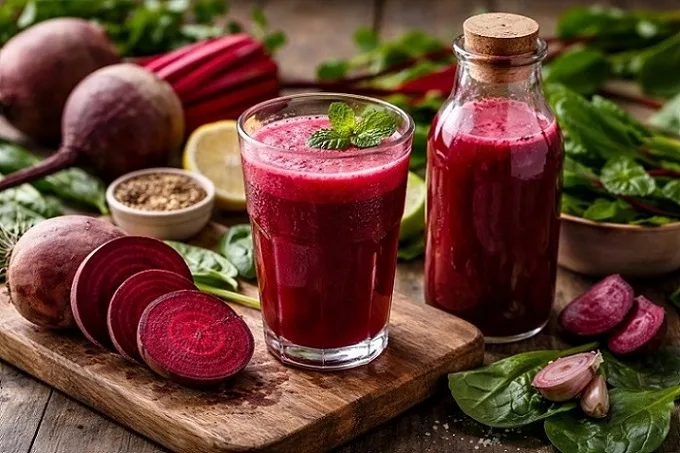
Image Credit: Thailand Wellness News
Recent research conducted by scientists at the University of Exeter has shed new light on the biological mechanisms behind beetroot’s heart-supportive reputation. Their clinical investigation explored how nitrate-rich beetroot juice interacts with the communities of bacteria living in the mouth and how this relationship ultimately influences blood pressure regulation. The results suggest that targeted dietary interventions can influence microbial populations and restore pathways that naturally decline with age. This Wellness News report highlights how a simple glass of beetroot juice may help recalibrate the body’s internal systems in ways that support long-term health and longevity.
The Science of Dietary Nitrates and Blood Vessel Health
The cardiovascular benefits of beetroot largely stem from its high concentration of dietary nitrates. These naturally occurring compounds are abundant in certain vegetables, including beetroot, spinach, celery, arugula, kale, and fennel. Once consumed, nitrates undergo a fascinating biological transformation.
Oral bacteria convert dietary nitrate into nitrite, a compound that subsequently transforms into nitric oxide once it enters the bloodstream. Nitric oxide plays a crucial role in cardiovascular health because it acts as a vasodilator. This means it relaxes the walls of blood vessels, allowing them to widen and improve blood flow. When vessels dilate, the pressure exerted by circulating blood decreases, resulting in lower blood pressure.
However, this process depends heavily on the presence of specific bacteria in the mouth that can efficiently convert nitrate into nitrite. As people age, both nitric oxide production and the balance of beneficial oral microbes may decline. This reduction may partly explain why blood pressure tends to rise with age and why cardiovascular disease becomes more common in older populations.
Researchers have increasingly suspected that restoring this nitrate-nitrite-nitric oxide pathway through diet could be an effective strategy for improving vascular function. The University of Exeter study provided compelling evidence that beetroot juice may help restore this natural system.
The University of Exeter Beetroot Juice Protocol
The clinical trial conducted at the University of Exeter involved two groups of volunteers: 39 younger adults under the age of 30 and 36 older adults between their 60s and 70s. Participants consumed a concentrated beetroot juice shot twice daily over a two-week period. The trial also included a placebo phase in which the juice had its nitrate content removed. Each testing phase was separated by a washout period to ensure that the effects of the previous intervention did not influence the next stage.
At the beginning of the study, the older participants generally displayed higher baseline blood pressure levels than the younger volunteers. After two weeks of drinking nitrate-rich beetroot juice, researchers observed a significant drop in systolic blood pressure in the older group. Interestingly, the same effect was not observed among the younger participants.
The reduction in blood pressure measured in the older adults was clinically meaningful, averaging about seven millimeters of mercury. Even small reductions in systolic pressure can substantially lower the risk of heart attack and stroke when sustained over time.
The absence of a similar response in younger participants suggests that older individuals may benefit more strongly from nitrate-rich dietary interventions. This difference may be linked to age-related declines in nitric oxide production, meaning older adults may have more room for improvement when nitrate pathways are restored.
How Beetroot Alters the Oral Microbiome
To understand why beetroot juice had such a strong effect on older adults, scientists analyzed the bacterial populations present in participants’ mouths before and after the intervention. They used advanced gene sequencing techniques to map shifts in the oral microbiome.
The results revealed a striking pattern. In the older group, beetroot juice appeared to suppress certain bacteria associated with inflammation and vascular dysfunction. One example was the bacterium Prevotella, which has been linked in some studies to inflammatory processes and metabolic disturbances.
At the same time, the nitrate-rich juice increased the presence of beneficial bacteria, particularly species belonging to the genus Neisseria. These bacteria are highly efficient at converting nitrate into nitrite, a critical step in the nitric oxide production pathway.
By boosting nitrate-converting microbes and suppressing potentially harmful ones, the beetroot intervention effectively reshaped the microbial environment in the mouth. This microbial shift improved the body’s ability to generate nitric oxide from dietary nitrates, ultimately helping blood vessels relax and lowering blood pressure.
Scientists believe that this microbial remodeling could explain why older adults experienced the most significant benefits. Their oral microbiomes may have been less efficient at nitrate conversion before the intervention, making them more responsive to dietary changes.
Implications for Healthy Aging and Longevity
The findings highlight a fascinating intersection between nutrition, microbiology, and cardiovascular health. They also suggest that relatively simple dietary changes could play a meaningful role in managing age-related health challenges.
As nitric oxide production declines with age, the body’s ability to regulate blood flow and maintain healthy blood pressure can weaken. Restoring nitric oxide pathways through nitrate-rich foods may help counteract these changes. In addition to supporting heart health, improved nitric oxide levels are associated with better circulation, enhanced oxygen delivery to tissues, and improved exercise performance.

Image Credit: Thailand Wellness News
For individuals focused on wellness and longevity, the study reinforces the value of plant-based dietary strategies. Beetroot is particularly rich in nitrates, but other vegetables can contribute to the same pathway. Leafy greens such as spinach and arugula, along with vegetables like celery and fennel, also provide significant amounts of dietary nitrate.
Researchers believe that incorporating these foods regularly into the diet could support vascular health while simultaneously nurturing beneficial microbial communities.
Functional Foods and the Future of Nutritional Medicine
The implications of this research extend beyond individual dietary choices. It also highlights the growing interest in functional foods and microbiome-targeted nutrition.
Food products designed to deliver standardized doses of dietary nitrates could become increasingly popular, particularly among older consumers seeking natural approaches to blood pressure management. Functional beverages and nutraceutical formulations based on beetroot extracts are already appearing in health markets worldwide.
In addition, advances in microbiome science may eventually allow doctors and nutrition specialists to personalize dietary recommendations based on an individual’s microbial profile. By identifying specific bacterial imbalances, healthcare providers could recommend foods that help restore optimal microbial communities.
Such developments could transform nutrition into a highly personalized tool for disease prevention and healthy aging.
Dietary Strategies That Support Circulation and Wellness
The practical takeaway from the research is both simple and encouraging. Consuming roughly half a cup to one cup of beetroot juice daily, or equivalent servings of nitrate-rich vegetables, may provide enough dietary nitrate to influence vascular health.
Timing may also play a role. Some nutrition experts suggest drinking beetroot juice earlier in the day or a few hours before meals to maximize its vasodilatory effects. Athletes sometimes consume beetroot juice before exercise to improve endurance and oxygen efficiency.
For those who dislike the earthy taste of beetroot, incorporating other nitrate-rich vegetables into salads, smoothies, or vegetable juices may provide similar benefits.
These foods work not just by nourishing the body directly but also by supporting the microbial partners that help convert nutrients into beneficial molecules.
A Growing Understanding of Food and the Microbiome
The emerging research surrounding beetroot juice underscores a broader shift in how scientists view nutrition. Food is no longer seen solely as a source of calories or vitamins. Instead, it is increasingly recognized as a powerful regulator of biological systems and microbial ecosystems.
What we eat influences not only our own physiology but also the trillions of microorganisms living within and on our bodies. These microbes, in turn, shape everything from digestion to immunity and cardiovascular health.
The discovery that a simple vegetable can alter the oral microbiome and restore nitric oxide pathways highlights the remarkable interconnectedness of diet, microbes, and human physiology.
As researchers continue to explore these connections, dietary interventions may become one of the most accessible and cost-effective tools for promoting long-term wellness.
Beetroot juice, once valued primarily for its vibrant color and earthy flavor, now appears to hold deeper significance for aging populations. The ability of nitrate-rich foods to restore microbial balance, improve nitric oxide production, and lower blood pressure suggests that nutrition could play a central role in preventive healthcare strategies.
These findings also reinforce the importance of maintaining a diet rich in vegetables and plant-based nutrients. Rather than relying solely on medications or supplements, many individuals may benefit from integrating functional foods into their daily routines.
As the science of nutrition and microbiome research advances, simple dietary choices like drinking beetroot juice could become powerful allies in the pursuit of longevity and cardiovascular wellness. Understanding how foods interact with our body’s microbial ecosystems may open new pathways for preventing disease and promoting healthier aging across populations.
Study Reference:
https://www.sciencedirect.com/science/article/pii/S0891584925008068
For the latest on Wellness protocols that promote longevity, keep on logging to Thailand Wellness News.