Thailand Wellness News: Across Thailand, a renewed fascination with traditional herbal remedies is quietly reshaping the country’s wellness landscape. Once viewed by some as old-fashioned folk practices, many ancient Thai herbal therapies are now gaining mainstream attention from wellness seekers, researchers, and entrepreneurs alike. From herbal compress massages to traditional tonics brewed with indigenous plants, a movement rooted in centuries of cultural knowledge is steadily re-entering the modern health conversation.
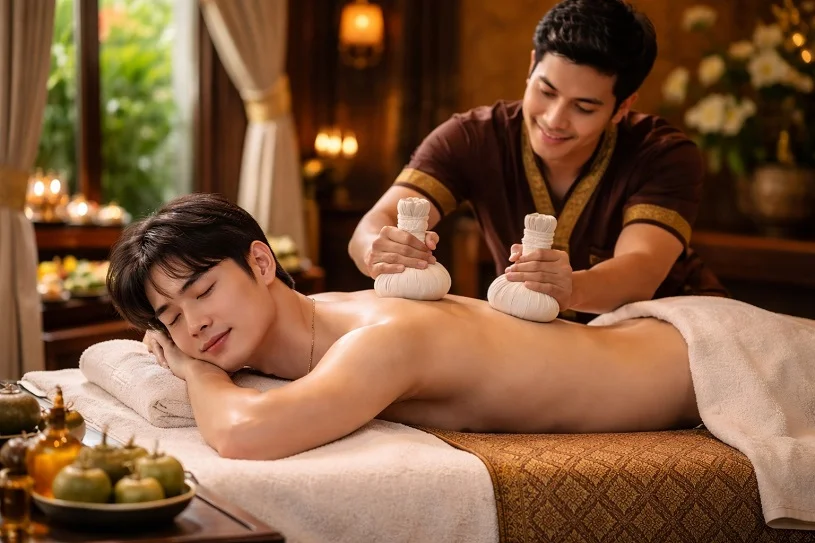
Image Credit: Thailand Wellness News
Thailand’s rich botanical heritage has long been central to everyday health practices, particularly in rural communities where herbal treatments were passed down through generations. Traditional healers historically relied on plants such as turmeric, ginger, galangal, lemongrass, and pandan to address ailments ranging from digestive discomfort to muscle pain and fatigue. These remedies were often combined with massage, steam treatments, and herbal compress therapies to restore balance within the body. In recent years, however, wellness travelers and younger Thai consumers have begun rediscovering these methods, fueling a renewed appreciation for traditional healing traditions. Midway through the growing resurgence of interest, this Thailand Wellness News report highlights how ancient herbal knowledge is gradually moving from village medicine cabinets to urban wellness studios and international spa menus.
The Rediscovery of Thailand’s Herbal Heritage
Several factors are contributing to this revival. One of the most influential drivers is the global wellness movement, which has increasingly embraced plant-based remedies and natural therapies. As more people seek alternatives to highly processed products and synthetic treatments, traditional herbal systems have begun to attract new interest. Thailand’s herbal tradition, often integrated with Thai massage and therapeutic bodywork, offers a holistic approach that resonates strongly with wellness enthusiasts.
Local universities and research institutes have also started examining traditional herbs through modern scientific methods. Studies exploring the anti-inflammatory properties of turmeric, the antimicrobial benefits of lemongrass, and the antioxidant potential of butterfly pea flower have helped reinforce the value of ingredients that have been used in Thai households for centuries. As scientific validation grows, herbal remedies are gradually earning credibility beyond the realm of folklore.
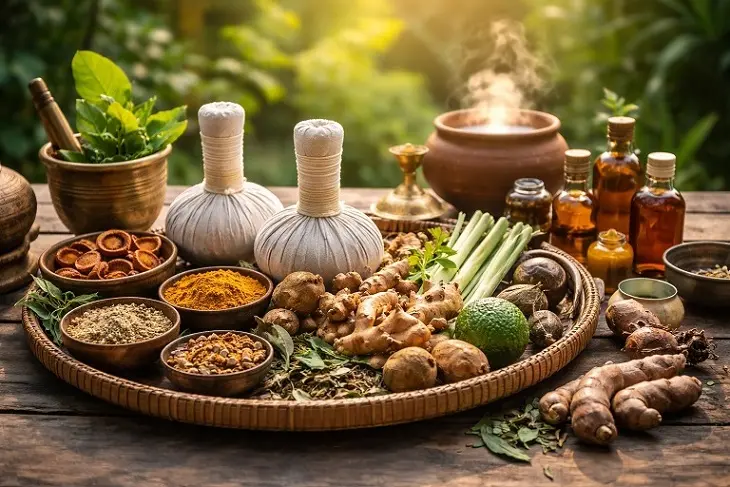
Image Credit: Thailand Wellness News
From Village Wisdom to Luxury Wellness Resorts
The resurgence is especially visible in Thailand’s thriving wellness tourism sector. Luxury resorts and health retreats across Phuket, Koh Samui, and Chiang Mai are incorporating traditional herbal therapies into their treatment programs. Herbal compress massages—known locally as luk pra kob—are becoming a signature offering in many spas. These treatments involve steaming bundles of medicinal herbs and applying them to the body to relieve tension, improve circulation, and reduce inflammation.
Meanwhile, herbal steam rooms infused with aromatic plants such as kaffir lime leaves and lemongrass are gaining popularity among wellness travelers seeking detoxification and relaxation. In many cases, resorts are partnering with local herbalists and traditional medicine practitioners to ensure authenticity in their treatments.
A New Generation Embraces Traditional Healing
Perhaps the most intriguing development is the growing interest among younger Thais. Health-conscious millennials and urban professionals are increasingly exploring traditional remedies as part of a broader lifestyle shift toward natural wellness. Herbal drinks, traditional tonics, and plant-based supplements are appearing in cafés and wellness bars in Bangkok and other major cities.
Some startups are even modernizing herbal formulas by packaging them in convenient forms such as capsules, powders, and functional beverages. While the ingredients remain rooted in tradition, the presentation appeals to a new generation that values convenience alongside authenticity.
Preserving Knowledge for the Future
The revival of Thai herbal medicine also carries cultural significance. Many practitioners believe that preserving traditional knowledge is essential to maintaining Thailand’s identity as a global wellness destination. Efforts are underway to document ancient herbal formulas, train new practitioners, and protect indigenous plants that have long played a role in traditional healing systems.
If managed responsibly, the renewed interest in Thai herbal therapies could provide both economic opportunities and a deeper appreciation for the country’s cultural heritage. The blending of ancient wisdom with modern wellness trends may ultimately ensure that these time-honored remedies continue to evolve rather than fade into history.
Thailand now stands at an important crossroads where centuries-old herbal traditions are meeting modern wellness innovation. The renewed popularity of Thai herbal remedies is not merely a nostalgic return to the past; it represents a growing recognition that traditional knowledge still holds valuable insights for contemporary health and wellbeing. As scientific research continues and wellness tourism expands, these ancient practices may find an even broader audience both within Thailand and around the world. For many observers, the revival suggests that the future of wellness may lie partly in rediscovering the wisdom of the past. And while the movement is still evolving, its momentum indicates that Thai herbal medicine could play a defining role in the next chapter of global wellness culture.
For the latest on wellness trends in Thailand, keep on logging to Thailand Wellness News.
Medical Disclaimer: All content published by Thailand Wellness News is based on scientific research and is intended for informational and educational purposes only. It is not medical advice, diagnosis, or treatment. Readers must not attempt to use, apply, or experiment with any protocols, compounds, or therapies mentioned without first consulting a qualified and licensed medical doctor. Many findings discussed are experimental or preliminary, and only a licensed healthcare professional can determine what is safe and appropriate for an individual’s specific medical condition.