Thailand Wellness News: A New National Strategy to Reinvent Thailand’s Wellness Future
Thailand is intensifying its mission to become a leading global wellness destination, rolling out a comprehensive national strategy designed to pull in high-value travelers seeking life-enhancing health, fitness, and rejuvenation experiences. The country aims to secure a dominant position in the global wellness tourism market by 2026, aligning with the government’s ambition to increase tourist spending and encourage longer, more meaningful stays. This Thailand Wellness News report underscores how Thailand’s renewed focus speaks to the worldwide demand for deeper, more scientific approaches to personal well-being.
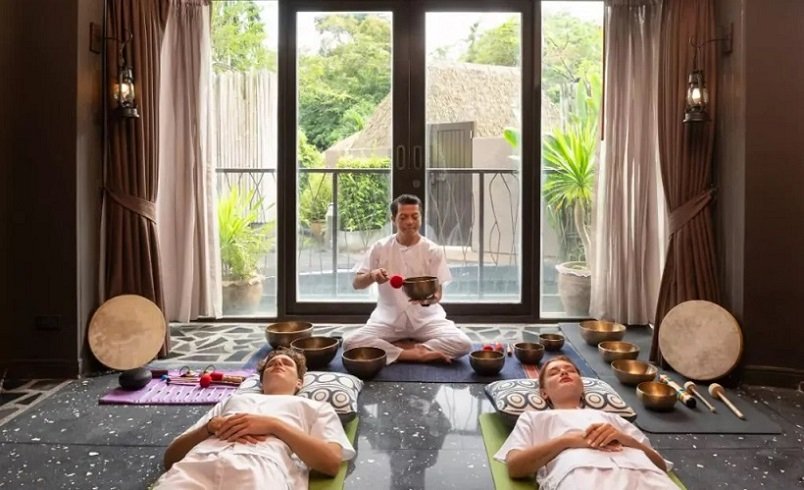
Thailand accelerates its bold strategy to become a top global wellness tourism hub by 2026
Image Credit: Keemala
Travel patterns across Thailand are already shifting dramatically. In Phuket, for instance, travelers now enroll in intensive Muay Thai boot camps lasting several weeks, while others commit to longevity screenings, detox regimens, gut health balancing, vitamin infusions, and medically supervised fitness upgrades. These experiences reflect the Tourism Authority of Thailand’s (TAT) strategic theme Healing is the New Luxury, which reframes tourism as a pathway to biological optimization, preventive health care, and life transformation instead of pure leisure. Wellness today is no longer just spa treatments—it includes mental resilience programs, therapeutic nutrition, biohacking-inspired detoxes, hot spring therapies, metabolic reboot programs, and evidence-based Thai traditional healing practices.
Thailand Must Move Fast
Bhummikitti Ruktaengam, Vice-President of the Thailand Tourism Council, strongly supports the new vision but stresses urgency and structural reform.
He explains, “Wellness tourism is no longer optional. It is essential for Thailand’s economic future because travelers now look for destinations that give them long-term health benefits. We must be bold, fast, and united if we want to lead this sector.”
Bhummikitti also notes that Thailand’s true strength lies in its mix of culture, hospitality, scientific capabilities, and natural resources.
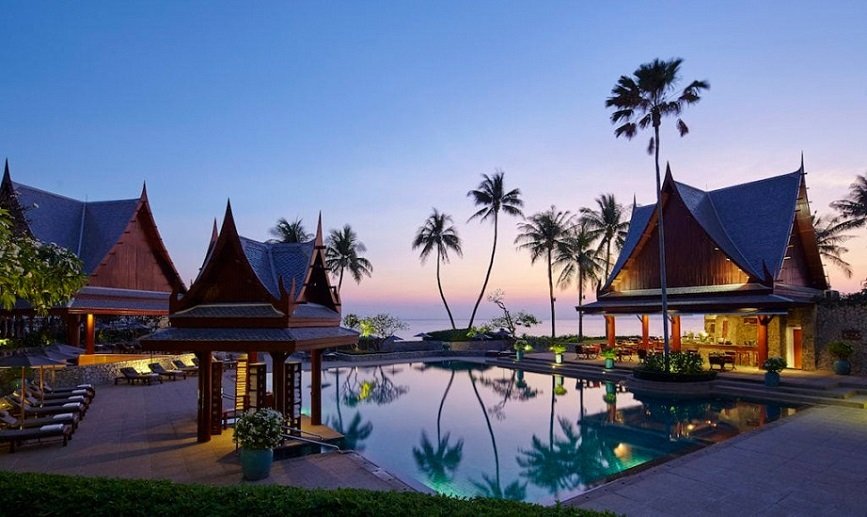
Thailand spas and wellness resorts are already gaining recognition globally
Image Credit: Chiva-Som
“Our traditional healing wisdom, our climate, our food culture, our fitness and martial arts heritage—these are assets that most countries do not have. But we cannot rely on strengths alone. We must modernize the ecosystem, reduce regulatory complexity, and make it easier for investors, hotels, wellness centers, and medical operators to innovate,” he said.
He emphasized that global travelers are now willing to spend more when wellness experiences are personalized, measurable, and delivered with international standards. “Value per trip increases dramatically when visitors trust the quality and safety of what they receive. Thailand must present itself as a destination for complete personal transformation.”
A Highly Advanced Private Sector Driving Innovation
Thailand’s private wellness and medical sector remains one of the most advanced in Asia. The country continues to attract visitors seeking everything from longevity diagnostics to regenerative therapies, physiotherapy, metabolic screenings, and structured recovery programs. Industry leaders confirm that despite competition from emerging markets in the Middle East, Thailand maintains a unique competitive edge due to its specialized practitioners, internationally trusted medical protocols, and deeply rooted hospitality culture.
Several global operators have even expressed interest in adopting Thai-style longevity clinic models abroad, signaling the export potential of Thailand’s wellness expertise.
Global Wellness Market Surges Past US$6 Trillion
The Global Wellness Institute reports that the global wellness market reached US$6.3 trillion in 2023, with wellness tourism alone contributing US$830 billion. The fastest-growing areas include wellness real estate, preventive and personalized medicine, mental well-being, and corporate resilience programs—all areas where Thailand can accelerate quickly with proper infrastructure and policy support. Despite this massive global expansion, Thailand still accounts for less than 1 percent of the total market, which means the growth opportunity remains enormous.

Thailand medical sector also plays an important factor in the development of the wellness industry
Image Credit: StockShots
Technology Becomes the Core of Modern Wellness
Thailand’s wellness providers are rapidly integrating emerging technologies such as hyperbaric oxygen therapy, cryotherapy, continuous glucose monitoring, genomic testing, personalized microbiome analysis, and AI-based health prediction systems. Wearable sensors now feed real-time data into customized nutrition and training programs, allowing travelers to receive a level of personalization previously unimaginable.
This merging of technology with Thai healing traditions creates a hybrid model that appeals strongly to wellness travelers seeking both authenticity and scientific credibility.
Regulatory Barriers Still Slow the Industry Down
However, Bhummikitti warns that Thailand’s regulatory landscape remains overly fragmented and could slow the country’s rise as a wellness hub.
“Right now, hotels, spas, clinics, and wellness operators must deal with too many authorities. Licensing is complex. Importing advanced health technologies takes too long. Training standards are inconsistent. These barriers discourage investment,” he stated.
The Thailand Tourism Council has urged the government to establish a single-window regulatory system, streamline approvals, and create more training programs for wellness professionals, nutritionists, rejuvenation specialists, physiotherapists, and preventive health practitioners.
Bhummikitti adds, “Other countries like Singapore are adapting quickly. If Thailand wants to lead, our regulations must evolve at the same speed as wellness technologies. We cannot afford to fall behind.”
Toward a High-Value Wellness Future
As demand for holistic health, longevity, and preventive care continues to surge worldwide, Thailand stands at a defining crossroads. With its powerful blend of cultural heritage, natural healing environments, highly skilled practitioners, and emerging tech-driven wellness offerings, the country has the potential to redefine itself as a world leader in transformative wellness tourism. But success will depend on unified policies, rapid regulatory reform, modern workforce development, and long-term strategic focus. By strengthening these foundations, Thailand can attract high-value wellness travelers and cement its position as Asia’s premier wellness destination for decades to come.
The latest wellness strategies and developments being implemented in Thailand, keep on logging to Thailand Wellness News.