


New Wellness Protocols: A Growing Trend in Regenerative Wellness
A new frontier in wellness is rapidly taking over luxury clinics and anti-aging centers across Thailand and beyond: exosome therapy. Promoted as a groundbreaking regenerative solution, exosomes are microscopic messengers that carry molecular signals between cells, potentially rejuvenating the body at a cellular level. They are now being infused through IV drips or injected directly into the skin, scalp, and joints to stimulate repair, enhance recovery, and even improve cognitive function.
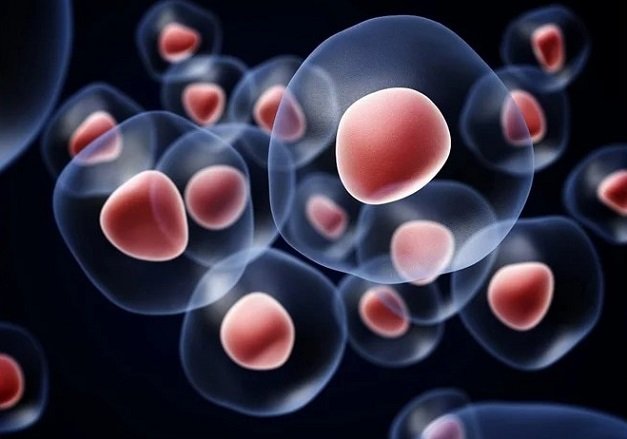
Exosome IV therapy promises cellular rejuvenation but demands careful medical oversight.
Image Credit: StockShots
In this New Wellness Protocols news report, experts emphasize that while the science behind exosomes is fascinating, the unregulated and premature commercialization of these products demands caution.
What Exactly Are Exosomes
Exosomes are nano-sized vesicles released naturally by cells, acting as couriers that deliver proteins, lipids, and genetic materials to other cells. In the body, they play a crucial role in cell communication, repair, and immune modulation. Scientists discovered that exosomes derived from stem cells contain powerful regenerative molecules capable of stimulating tissue repair and reducing inflammation. This has made them a hot topic in aesthetic and longevity medicine.
Potential Benefits Being Marketed by Wellness Clinics
Wellness clinics are now offering exosome IV infusions and injectables for a wide range of goals, from boosting skin radiance to accelerating recovery after intense exercise or illness. Commonly reported benefits include improved skin texture and elasticity, enhanced collagen production, reduced inflammation, faster muscle recovery, and even better cognitive clarity. Exosome therapy has also been marketed as a potential tool for hair restoration, pain relief, and immune system balance.
These tiny biological couriers can be derived from umbilical cord tissue, adipose (fat) cells, or bone marrow stem cells. Once infused, they are believed to travel through the bloodstream and signal tissues to regenerate and repair themselves. However, while anecdotal reports abound, scientific validation of many wellness claims is still limited.
Scientific Mechanism and Delivery Methods
Exosomes work by influencing cellular behavior. When introduced into the body, they deliver a cocktail of growth factors, RNAs, and proteins that “reprogram” recipient cells to activate self-repair mechanisms. IV infusions offer systemic benefits, while localized injections target specific problem areas—such as joints, facial tissue, or scalp follicles—to induce healing and regeneration.
Safety Concerns and Regulatory Issues
Despite the growing hype, regulatory bodies are sounding the alarm. The U.S. Food and Drug Administration (FDA) has not approved any exosome-based injectable or IV therapy for medical or wellness use. The agency has issued public warnings following reports of adverse events linked to unapproved exosome products. Clinics marketing these treatments as “cosmetic” or “wellness rejuvenation” often bypass these rules, creating a legal and ethical gray area.
Experts urge consumers to seek treatment only at clinics that use verified, quality-controlled exosome formulations under the supervision of licensed medical professionals. Patients are also encouraged to discuss FDA-approved alternatives before proceeding with exosome-based protocols.
The Promise and the Peril of the Exosome Era
While exosome therapy represents one of the most intriguing innovations in regenerative wellness, it remains a double-edged sword. Early studies suggest enormous potential for healing and rejuvenation, yet without strict quality control and standardized dosing, the risks can outweigh the benefits. For now, wellness seekers should treat exosome infusions as experimental and proceed only with informed consent and professional oversight.
As the science evolves, exosomes may eventually earn their place in mainstream medicine. But until more robust research and regulation are established, the best wellness strategy is caution, awareness, and critical thinking when evaluating such futuristic therapies.
References:
https://sci.amegroups.org/article/view/66403/html
https://www.nature.com/articles/s41392-023-01704-0
https://www.mdpi.com/2079-9284/10/2/65
https://jbiomedsci.biomedcentral.com/articles/10.1186/s12929-024-01055-0
https://www.frontiersin.org/journals/immunology/articles/10.3389/fimmu.2024.1401852/full
https://www.dvcstem.com/post/exosome-therapy
https://smartskin-clinic.com/en/exosome-demerit
https://onlinelibrary.wiley.com/doi/10.1111/jocd.70520
For the latest on New Wellness Protocols, keep on logging to Thailand Wellness News.
Medical Disclaimer: All content published by Thailand Wellness News is based on scientific research and is intended for informational and educational purposes only. It is not medical advice, diagnosis, or treatment. Readers must not attempt to use, apply, or experiment with any protocols, compounds, or therapies mentioned without first consulting a qualified and licensed medical doctor. Many findings discussed are experimental or preliminary, and only a licensed healthcare professional can determine what is safe and appropriate for an individual’s specific medical condition.