


Wellness Biohacking: Ancient Dye Turned Modern Brain Booster
Once used as a textile dye and medical antiseptic, methylene blue is now emerging as a star compound in wellness and longevity research. Scientists are exploring its unique ability to cross the blood-brain barrier and rejuvenate brain function at the cellular level. Low doses of this simple blue molecule appear to enhance memory, protect neurons, and even slow neurodegenerative processes. In the growing world of nootropics and wellness optimization, this once-overlooked substance is being hailed as a potential game changer. In this Wellness Biohacking news report, researchers highlight how methylene blue’s effects on mitochondria and oxidative stress may make it one of the most powerful yet underestimated brain-enhancing compounds available today.
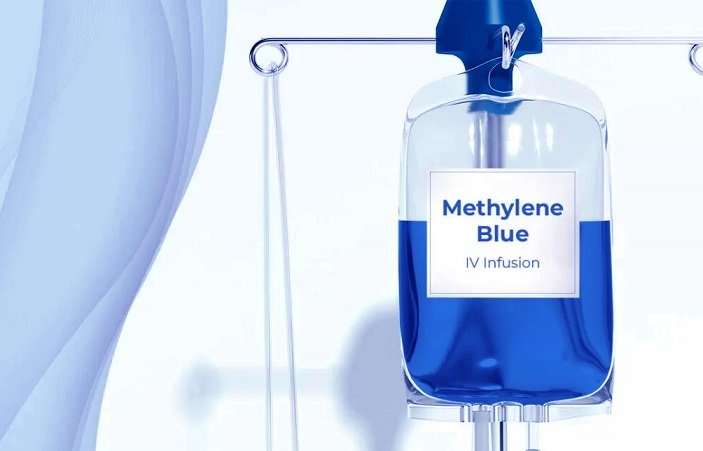
Methylene blue emerges as a promising biohacking molecule for brain energy and cognitive longevity.
Image Credit: StockShots
Powering the Brain Through Mitochondria
At its core, methylene blue functions as a mitochondrial enhancer. In low doses, it acts as an electron carrier within the cell’s energy factories, improving oxygen use and boosting ATP energy output. This cellular efficiency translates to sharper focus, better mental endurance, and possibly protection from age-related decline. Additionally, methylene blue’s antioxidant action reduces inflammation and oxidative stress, neutralizing harmful reactive oxygen species that damage brain cells. It has also been shown to inhibit the clumping of amyloid-beta plaques and tau tangles—two hallmarks of Alzheimer’s disease.
Boosting Memory and Neurogenesis
Animal studies consistently show that low doses of methylene blue improve learning, memory, and neuroplasticity. In human trials, participants given small doses exhibited enhanced memory recall and increased brain activity in regions tied to attention and cognitive performance. Imaging studies revealed improved functional connectivity between brain networks responsible for memory and perception. Interestingly, these benefits appear to follow a hormetic pattern—whereby low doses enhance brain function while higher doses negate the effects. Some clinical data suggest doses as low as 8 mg per day may yield better cognitive outcomes than larger doses, underscoring the importance of balance in biohacking protocols.
Shielding the Brain from Damage
Beyond its cognitive effects, methylene blue has demonstrated neuroprotective power. In animal models of traumatic brain injury and stroke, it significantly reduced brain lesion volume, swelling, and neuronal death. Its ability to protect mitochondria and prevent oxidative damage makes it a promising candidate for conditions such as Parkinson’s and Alzheimer’s disease. However, despite promising preclinical evidence, experts stress that large-scale human trials are essential before methylene blue can be considered a safe mainstream wellness therapy.
The Need for Care and Caution
While methylene blue is FDA-approved for treating methemoglobinemia and certain poisonings, its use as a cognitive enhancer remains experimental. Safe doses for brain health typically range between 4 mg to 60 mg per day. Higher doses can be toxic and may interact dangerously with antidepressants, potentially leading to serotonin syndrome. Because over-the-counter versions can vary in purity, users are strongly urged to consult a healthcare professional before attempting supplementation.
Methylene blue’s revival as a brain and wellness enhancer reflects the modern convergence of neuroscience, longevity research, and biohacking culture. Its unique ability to boost mitochondrial efficiency, reduce oxidative damage, and protect neurons offers real promise for cognitive health. However, until well-controlled human studies confirm its safety and efficacy, it should be approached with caution and scientific respect. For now, methylene blue remains one of the most intriguing wellness frontiers in the pursuit of brain optimization and longevity.
References:
https://www.mdpi.com/2073-4409/10/12/3379
https://www.sciencedirect.com/science/article/abs/pii/S0301008211001948
https://www.rsna.org/media/press/i/1888
https://link.springer.com/article/10.1007/s11682-016-9541-6
https://www.frontiersin.org/journals/neurology/articles/10.3389/fneur.2019.01133/ful
https://www.biorxiv.org/content/10.1101/2023.06.16.545146v1.full.pdf
For the latest Wellness Biohacking protocols, keep on logging to Thailand Wellness News.
Medical Disclaimer: All content published by Thailand Wellness News is based on scientific research and is intended for informational and educational purposes only. It is not medical advice, diagnosis, or treatment. Readers must not attempt to use, apply, or experiment with any protocols, compounds, or therapies mentioned without first consulting a qualified and licensed medical doctor. Many findings discussed are experimental or preliminary, and only a licensed healthcare professional can determine what is safe and appropriate for an individual’s specific medical condition.