


Wellness Biohacking: In a major scientific breakthrough, researchers from Peking University and the Jinan Municipal Center for Disease Control and Prevention in China have found that a compound called dihydromyricetin, commonly found in vine tea, may be able to reverse signs of skin aging caused by a harmful sugar-related process in the body.
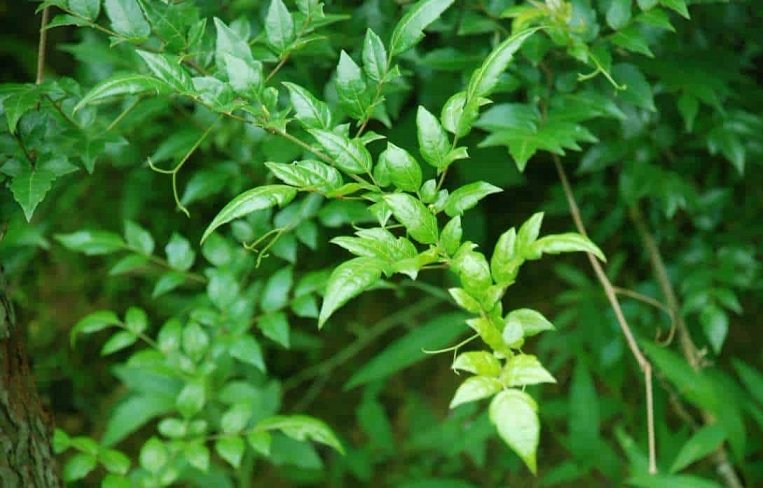
Scientists discover that dihydromyricetin from vine tea can reverse skin aging by blocking sugar-induced cellular damage and restoring youthful elasticity.
Image Credit: Thailand Medical News
This Wellness Biohacking news report is based on extensive laboratory research that shows how this natural substance can effectively slow down or even counteract the effects of what scientists call advanced glycation end products, or AGEs. These AGEs are damaging molecules that form when sugar attaches to proteins or fats in the body. They play a major role in the aging of skin, causing wrinkles, loss of elasticity, and inflammation.
Understanding the Root of Skin Aging
AGEs are known to build up over time and cause structural damage to skin cells by binding to specific receptors called RAGE (Receptors for Advanced Glycation End Products). When AGEs attach to RAGE, they trigger inflammation, oxidative stress, and the breakdown of important skin proteins like collagen and elastin. This process accelerates aging not just on the skin, but throughout the body.
To test whether dihydromyricetin (DHM) could help, the scientists conducted an experiment using rats that were injected with a chemical that causes aging similar to that seen in humans. The rats were then given different doses of DHM over an 11-week period. The researchers also tested DHM on human skin cells in the lab to explore how it impacts aging at the cellular level.
Promising Results from Animal and Cell Studies
In the rat studies, DHM treatment significantly improved skin texture and elasticity. Among the various doses, the moderate dose (100 mg/kg) produced the best results. The treated rats had smoother skin, fewer wrinkles, and more youthful collagen structure than untreated aging rats.
In the human cell studies, DHM was found to encourage skin cell growth while reducing markers of cell aging. Cells exposed to harmful AGEs showed signs of damage and reduced growth. But when DHM was added, there was a 1.5-fold increase in cell proliferation, and key aging indicators like β-galactosidase, p16, and p21 were reduced. This suggests that DHM can delay or even reverse cell aging.
Furthermore, DHM was found to suppress the expression of the AGER gene, which produces the RAGE receptor. This means DHM can block the damaging AGE-RAGE interaction at its root.
How DHM Works at the Molecular Level
Using advanced techniques like transcriptome analysis, molecular docking, and surface plasmon resonance, the researchers discovered that DHM works by enhancing DNA repair pathways, promoting cell cycle activity, and reducing oxidative stress and inflammation. Most importantly, it binds tightly to the RAGE receptor, making it harder for AGEs to trigger aging responses.
The binding strength of DHM to the RAGE receptor was found to be even stronger than FPS-ZM1, a well-known RAGE inhibitor, with a dissociation constant (KD) of 28.7 µM compared to 40.7 µM for FPS-ZM1. This confirms that DHM is a potent and stable natural RAGE inhibitor.
Conclusion
The study presents strong evidence that dihydromyricetin, a safe and natural plant compound, has the power to slow down or even reverse skin aging by blocking the harmful effects of AGEs. Through its action on RAGE receptors and its ability to support cell growth and DNA repair, DHM offers exciting potential as a new treatment for aging skin. While more human studies are needed, these results are highly promising and may lead to the development of natural anti-aging therapies that are both effective and free of serious side effects.
The study findings were published in the peer reviewed journal: Nutrients
https://www.mdpi.com/2072-6643/17/11/1862
For the latest on Wellness Biohacking, keep on logging to Thailand Wellness News.
Medical Disclaimer: All content published by Thailand Wellness News is based on scientific research and is intended for informational and educational purposes only. It is not medical advice, diagnosis, or treatment. Readers must not attempt to use, apply, or experiment with any protocols, compounds, or therapies mentioned without first consulting a qualified and licensed medical doctor. Many findings discussed are experimental or preliminary, and only a licensed healthcare professional can determine what is safe and appropriate for an individual’s specific medical condition.