

Thailand Wellness News: Government Promotes Thai Herbs as First Line of Treatment
Thailand’s Public Health Ministry is leading a national campaign to position Thai herbal medicine as a core part of the country’s health and wellness strategy. By promoting traditional remedies as the first choice for treating common ailments, the ministry aims to reduce dependence on imported pharmaceuticals and elevate Thailand’s ancient healing heritage into a modern healthcare solution.
The initiative, titled “When Sick, Think of Thai Medicine Before Seeing a Doctor,” was officially launched at a workshop for medical professionals in Bangkok.
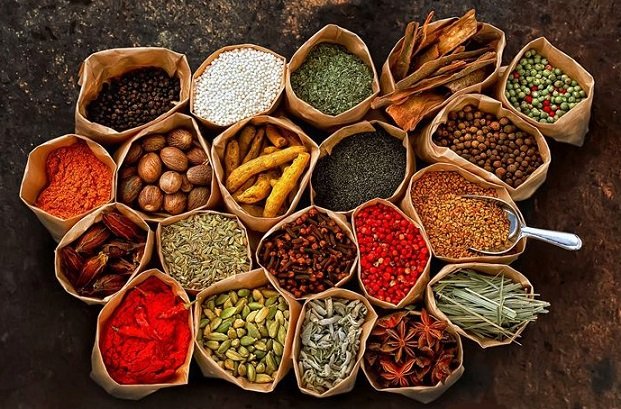
Thailand embraces herbal medicine to strengthen healthcare independence and showcase its ancient healing traditions in modern wellness systems.
Image Credit: StockShots
Among the attendees were Deputy Permanent Secretaries Dr Puwadet Surakhot and Montien Kanasawadse, and Dr Somruek Chungsaman, Director-General of the Department of Thai Traditional and Alternative Medicine. In this Thailand Wellness News report, the officials outlined the ministry’s vision to generate over 3 billion baht in herbal medicine sales by 2026 while improving public access to safe, effective local remedies.
Bridging Modern Medicine and Traditional Wisdom
Currently, Thailand spends more than 70 billion baht annually on pharmaceuticals, yet only about 1.56 billion baht goes toward herbal treatments. Within the National Health Security system, the allocation drops to just 408 million baht despite growing evidence that many herbal medicines are equally effective as their Western counterparts.
To address this gap, the ministry plans to increase herbal usage within the national healthcare system to 1.5 billion baht by 2025 and 3 billion baht by 2026. A new fee schedule system, developed jointly by the Department of Thai Traditional and Alternative Medicine and the National Health Security Office, will make 32 herbal medicines eligible for reimbursement — a key step in making these remedies mainstream.
Popular Thai Herbs in the Spotlight
Ten herbs have been prioritized for nationwide use due to their proven efficacy in treating common conditions: Plai (for joint pain), Green chiretta or Fah Talai Jone (for colds and Covid-19), Turmeric (for bloating), Phet sang khat (for constipation and haemorrhoids), Ginger (for dizziness), Bitter gourd (for appetite issues), Musa or banana (for diarrhoea), Hom thep chit (for insomnia), Chilli (for numbness from paralysis), and Aloe vera (for skin burns).
Aiming for Self-Reliance and Economic Growth
The ministry is also championing five herbal formulas as primary substitutes for Western drugs, including Prasah ma waeng (for coughs and phlegm), Senna (as a laxative), Plai cream (for pain relief), Turmeric (for digestive discomfort), and Phet sang khat (for haemorrhoids). Dr Puwadet emphasized that building confidence among healthcare workers is vital, as the goal is not only health improvement but also national economic self-reliance.
Thailand’s revitalization of its herbal medicine sector marks a significant shift toward sustainable wellness and healthcare sovereignty. By blending ancient traditions with modern systems, the country is redefining wellness for future generations and positioning Thai herbs as a global symbol of natural healing.
For the latest on Thai herbs and herbal therapies, keep on logging to Thailand Wellness News.