

Wellness News: The Rise of Wellness-Oriented Travel
A profound shift is sweeping across the global travel industry as wellness tourism moves from niche to mainstream, transforming vacations into restorative journeys that nourish body, mind, and soul. What began as a trend among affluent travelers seeking spa retreats has evolved into a global movement that integrates health, mindfulness, and sustainability into the very essence of travel.
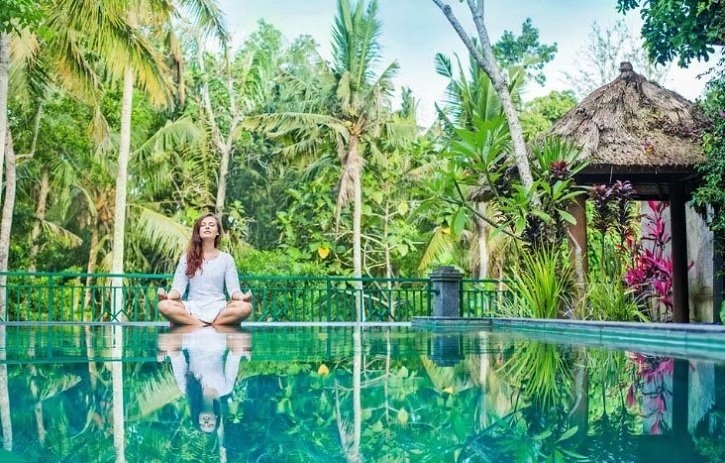
The global rise of wellness tourism is turning travel into a journey of restoration, mindfulness, and holistic transformation.
Image Credit: StockShots
According to the Global Wellness Institute (GWI), the broader wellness economy—encompassing everything from nutrition and fitness to mental well-being—was valued at US$5.5 trillion in 2022 and is projected to skyrocket to US$8.5 trillion by 2027. This surge underscores a new reality: people are no longer traveling just to escape, but to rejuvenate and reconnect. In the midst of this transformation, this Wellness News report explores how wellness tourism is reshaping the global hospitality landscape and setting new benchmarks for purposeful travel.
What Exactly Is Wellness Tourism
Wellness tourism refers to traveling with the primary intent of improving or maintaining personal well-being. Unlike traditional leisure travel that often involves indulgence and exhaustion, wellness travel emphasizes rejuvenation, mindfulness, and healthy living. It transforms journeys into opportunities for self-care—an antidote to the mental fatigue and physical strain of modern life.
The Global Wellness Institute defines wellness tourism as “travel associated with the pursuit of maintaining or enhancing personal well-being.” This encompasses activities like spa treatments, yoga retreats, forest bathing, detox programs, and mindfulness workshops. The focus is not on curing illness but on preventing it—promoting balance, reducing stress, and enhancing overall vitality. Wellness tourism exists at the intersection of hospitality, healthcare, and sustainability, blending the pleasures of travel with the benefits of self-improvement.
Wellness Tourism Versus Medical Tourism
Although the two are often grouped together, wellness tourism and medical tourism are distinct sectors serving different needs and motivations. Medical tourism involves traveling abroad to receive medical treatments—ranging from surgeries, dental procedures, and fertility treatments to advanced diagnostics. People pursue medical tourism for reasons such as affordability, specialized expertise, or access to treatments unavailable in their home countries.
Wellness tourism, in contrast, is about prevention rather than cure. It focuses on lifestyle improvement, longevity, and emotional balance. Instead of hospitals or clinics, wellness tourists frequent resorts, spas, and retreat centers. Their goal is not recovery from illness but the pursuit of holistic health.
The continuum between the two is best understood through intent. On one end lies medical tourism—addressing poor health, injury, or chronic illness through clinical interventions. On the other end lies wellness tourism—supporting individuals in maintaining optimal health through proactive experiences such as nutrition counseling, yoga, meditation, and fitness training.

Among many travelers these, having wellness therapies or undergoing wellness programmes during their holidays is a must these days
Image Credit: StockShots
In some cases, the two intersect. For instance, a traveler undergoing post-surgical rehabilitation may complement treatment with mindfulness retreats or nutritional programs. Yet, at their core, these industries serve very different emotional and physical goals—one reactive, the other preventive.
The Global Growth of the Self-Care Movement
The wellness tourism boom aligns with the worldwide self-care revolution. A McKinsey study found that 82% of U.S. consumers now consider wellness a top life priority—a significant increase from previous years. Across continents, individuals are seeking ways to counter burnout, anxiety, and fatigue through meditation, sound healing, breathwork, and nature-based experiences.
Wellness is no longer confined to luxury; it is becoming an everyday lifestyle. From infrared saunas in urban gyms to digital detox retreats in remote destinations, people are redefining how they invest their time and money. Wellness is now seen not merely as indulgence but as an essential component of long-term health.
Who Are Wellness Travelers
The typical wellness traveler is far more diverse than the stereotype of the spa-going elite. The market comprises two main groups:
–Primary Wellness Travelers – Those who choose destinations primarily for wellness experiences such as retreats, fasting programs, or Ayurveda centers.
–Secondary Wellness Travelers – Tourists who incorporate wellness activities—like yoga sessions or organic meals—into broader trips, whether for leisure or business.
What’s striking is how mainstream this movement has become. Millennials and Gen Z are the key drivers, outspending all other generations on wellness-related products and experiences. They demand personalized health tracking, mental well-being tools, and eco-conscious travel options. For them, wellness is both a value system and a lifestyle statement, deeply linked to sustainability, community, and purpose.

Yoga besides spa therapies is a growing trend among many travelers
Image Credit: StockShots
Major Growth Sectors in the Wellness Economy
The wellness market is expanding across several dynamic frontiers:
Wellness Real Estate (17.4% annual growth): Developers are designing entire communities and resorts centered on holistic living, incorporating natural materials, biophilic design, and social wellness spaces.
Mental Wellness (13% annual growth): The demand for stress-reduction technologies, mindfulness training, sleep optimization, and supplements is redefining the health economy.
Wellness Tourism (17% annual growth): Hotels and resorts are embedding wellness into every touchpoint—from in-room aromatherapy and meditation pods to immersive nature trails and spa-based healing programs.
Evolving Industry Insights
The last decade has witnessed an extraordinary expansion in wellness travel, and this trajectory shows no signs of slowing. Several defining trends are driving this transformation:
–Personalized Experiences: Modern travelers seek customized programs tailored to their physical, emotional, and spiritual needs. DNA-based nutrition, wearable tech, and biofeedback systems are now part of the wellness toolkit.
–Regenerative Practices: The future of travel lies in sustainability and local empowerment. Resorts are focusing on eco-conscious infrastructure, zero-waste dining, and partnerships with indigenous communities to preserve cultural and natural heritage.
–Holistic Offerings: Beyond spa treatments, wellness destinations now provide comprehensive programs integrating fitness, mindfulness, nutrition, and creative expression. The result is a balanced, transformative experience rather than a fleeting indulgence.
Hotels Embracing Wellness as a Business Imperative
Hospitality brands are no longer viewing wellness as an optional add-on but as a core brand philosophy. Guests now expect access to nutritious food, restorative sleep environments, mindfulness zones, and nature-oriented activities. For hoteliers, this represents both an opportunity and a challenge—to meet growing expectations without diluting authenticity.
Successful examples include properties that integrate local healing traditions into guest experiences. In Finland, centuries-old sauna rituals are reimagined as wellness ceremonies. In India, yoga and Ayurveda retreats draw global visitors seeking spiritual renewal. In Turkey, traditional hammams continue to thrive as symbols of cultural and physical purification. And in Costa Rica, rainforest spas combine indigenous ingredients with immersive forest therapies.
Creating Wellness Through Strategic Partnerships
Hotels without dedicated wellness infrastructure are finding innovative ways to engage guests through partnerships. Entry-level approaches include in-room wellness kits, aromatherapy diffusers, and meditation apps. Mid-tier properties collaborate with local practitioners for yoga, reiki, or fitness sessions. Luxury establishments push boundaries through biohacking programs, IV therapy, and longevity diagnostics. These partnerships transform traditional stays into journeys of healing and discovery.
Sustainability and Wellness Go Hand in Hand
The intersection of sustainability and wellness defines the industry’s next phase. The Maya Boutique Hotel & Spa in Switzerland exemplifies this union. Constructed with straw-bale insulation, powered by renewable energy, and entirely carbon-neutral, it offers fasting programs, meditation, and yoga in a serene Alpine setting. Its success story demonstrates that wellness tourism can thrive while preserving ecological integrity—a model increasingly adopted worldwide.
The Road Ahead for Wellness Tourism
As travelers prioritize purpose and authenticity, wellness tourism is becoming the backbone of a new global travel philosophy. It transcends leisure, merging self-care, environmental mindfulness, and cultural connection into one transformative experience. For hospitality leaders, aligning with this evolution is more than a trend—it is a strategic necessity.
By investing in authentic, sustainable, and personalized wellness initiatives, destinations can position themselves as sanctuaries of renewal in an increasingly stressful world. The future of tourism lies not only in where people go but in how those journeys restore their well-being and strengthen their bond with the planet.
For the latest on wellness tourism, keep on logging to Thailand Wellness News.