

Wellness News: Massive Growth Driving the New Wellness Economy
The global wellness industry is entering a powerful expansion phase, positioning itself as one of the world’s largest and most influential markets. Valued at an estimated USD 6.89 trillion in 2025, the sector is expected to grow to USD 7.25 trillion in 2026 and reach a monumental USD 11.5 trillion by 2034. This transformation represents an average compound annual growth rate (CAGR) of 5.40% between 2025 and 2034. North America currently dominates the market with a 39.25% share, while Asia Pacific is forecast to experience the fastest acceleration, fueled by rapid urbanization, increasing health awareness, and a surge in middle-class spending. In the midst of these trends, this Wellness News report underscores how innovation, digitalization, and cultural shifts are rewriting the global definition of well-being.
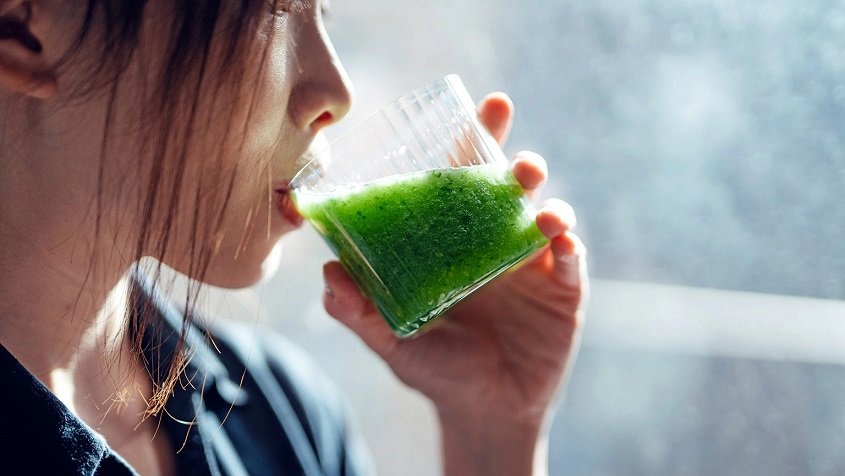
Global Wellness Industry Exponentially Surging and Expect to Hit USD 6.89 Trillion in 2025 and USD 7.25 Trillion in 2026
Image Credit: StockShots
AI and the Digital Wellness Revolution
Artificial intelligence (AI) has emerged as a central driver in the next era of healthcare and wellness. From diagnosing diseases to managing chronic conditions, AI is transforming every aspect of health management. Advanced algorithms now analyze vast data sets to predict risks, monitor stress, and suggest real-time interventions. In mental health care, AI-based applications deliver mindfulness exercises, personalized therapy sessions, and cognitive behavioral therapy (CBT) tools, making emotional wellness more accessible. The combination of machine learning, wearable technology, and telehealth is helping people around the world take proactive control of their physical and psychological health.
Changing Lifestyles and Consumer Demand Fueling the Boom
Rising awareness about the importance of self-care, nutrition, and preventive healthcare is driving the wellness boom across all demographics. The prevalence of lifestyle-related illnesses such as obesity, hypertension, and depression has encouraged individuals to seek out fitness programs, natural foods, and stress-relief therapies. Governments and private sectors are investing heavily in wellness infrastructure, integrating medical and recreational tourism, and developing eco-conscious wellness resorts. The surge in wellness tourism—which includes yoga retreats, spa therapy, and holistic travel experiences—is adding billions to the global economy every year.
Personal Care and Anti-Aging Products Dominating Market Share
The integrated wellness and personal care services segment accounted for more than 22% of the market in 2024. Consumers are increasingly seeking chemical-free skincare solutions, advanced anti-aging products, and dermatology-based treatments that combine science and sustainability. Cosmeceuticals—products that fuse cosmetics with pharmaceutical-grade active ingredients—are redefining the skincare landscape. Meanwhile, the demand for men’s grooming and anti-aging products has also risen sharply, signaling that wellness has become gender-inclusive and lifestyle-driven.

Wellness resorts will also become the leading trend in the tourism and the hospitality industry
Image Credit: StockShots
Wellness Tourism and the Rebirth of Natural Healing
Thermal and mineral springs have become major tourist attractions, with travelers seeking natural, therapeutic experiences that enhance physical and mental rejuvenation. These mineral-rich waters are known to improve circulation, eliminate toxins, and promote deep relaxation. Countries with abundant geothermal resources—such as Japan, Iceland, and Hungary—are investing in spa infrastructure to accommodate the growing influx of wellness tourists. Studies show that visitors to hot spring spas experience reductions in medication use and stress, highlighting the medical benefits of these age-old therapies.
Emergence of Smart Wearables and Preventive Medicine
The shift toward preventive health is gaining momentum. Smart wearables and implantable devices are being developed to continuously track vitals, manage diabetes, and even monitor blood composition. Innovations like artificial pancreas systems and under-the-skin sensors represent a new age in personalized wellness. Furthermore, global institutions such as the U.S. Centers for Disease Control and Prevention (CDC) and the World Health Organization (WHO) are prioritizing early detection, vaccination, and digital health programs to enhance preventive care worldwide.
Regional Trends Highlight Market Diversification
The U.S. wellness market alone is projected to expand from USD 2.37 trillion in 2025 to USD 3.90 trillion by 2034. This surge is attributed to growing stress management initiatives, corporate wellness programs, and the adoption of health-tracking technologies. Meanwhile, Asia Pacific’s momentum is undeniable—countries like India, China, and South Korea are transforming into wellness epicenters. India’s “Heal in India” initiative and expanding AYUSH ecosystem are amplifying its global standing as a hub for alternative medicine, Ayurveda, and holistic living. The nation’s growing international appeal for yoga and medical tourism is projected to bring significant foreign revenue and create new jobs across hospitality and healthcare sectors.
Sustainability and Ethical Wellness Becoming Global Priorities
Consumers are increasingly demanding environmentally sustainable and ethically produced wellness products. Companies are responding with biodegradable, cruelty-free, and bio-based formulations that minimize ecological impact. Bio-esters and oleochemicals derived from natural sources are replacing synthetic compounds in personal care lines. Millennials and Gen Z consumers, in particular, are willing to pay premium prices for products that align with their values of sustainability and transparency.
A Promising Future for Global Health and Wellness
The global wellness industry is more than just an economic powerhouse—it represents a paradigm shift toward healthier, more balanced living. The fusion of advanced technology, natural therapies, and mindful living practices signals a future where wellness becomes central to human progress. As AI, preventive medicine, and sustainability continue to shape this trillion-dollar ecosystem, both developed and emerging markets stand to benefit. The coming decade will witness wellness evolving from a personal choice to a global necessity, influencing lifestyles, policies, and innovation worldwide.
For the latest on the Global Wellness Market, keep on logging to Thailand Wellness News.