

Wellness News: The Rise of a New Wellness Culture
A quiet revolution is sweeping across the globe as millennials and Gen Z redefine what it means to live well. Once centered around spa visits and gym memberships, wellness has transformed into a $3 trillion global industry—an all-encompassing lifestyle guided by mindfulness, self-optimization, and health-conscious consumption. These younger generations are not treating wellness as a luxury or a once-a-year retreat but as a daily pursuit of mental, physical, and emotional balance.
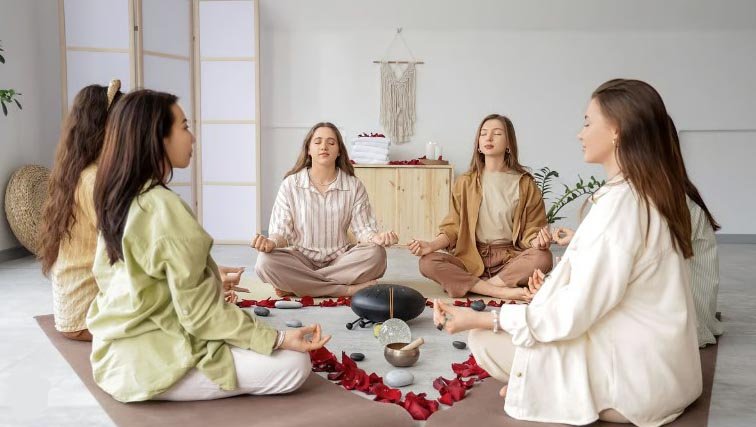
Millennials and Gen Z are more ne about their diets and nutrition intakes
Image Credit: StockShots
According to a large-scale global survey spanning the United States, the United Kingdom, Germany, and China, the wellness landscape is rapidly evolving, with new subcategories—from functional nutrition and longevity therapies to mental health tech—gaining prominence. As this Wellness News report highlights, this shift is not merely generational; it’s redefining the very concept of what it means to be healthy in the modern age.
How Millennials and Gen Z Became the Wellness Vanguard
Younger consumers are emerging as the biggest spenders in the wellness space. Although Gen Z and millennials comprise about 37 percent of the adult population in the United States, they drive over 42 percent of all wellness-related spending. Their purchasing behavior reflects both experimentation and intentionality—they invest in everything from wearable health trackers to mindfulness apps, wellness retreats, and longevity supplements.
Burnout, digital overload, and post-pandemic anxiety have made younger generations more aware of their mental and physical limits. Unlike their parents, they no longer see self-care as indulgent but essential. Social media has played a major role in normalizing wellness content—from meditation reels to gut health trends—turning platforms like TikTok and Instagram into powerful catalysts for change.
The Five Faces of the Wellness Consumer
The new wellness economy is not monolithic. Researchers identified five key consumer segments shaping demand:
• Maximalist Optimizers – Largely composed of Gen Z and millennials, these consumers love experimentation and trust science-backed innovations. They account for 26 percent of wellness consumers but 43 percent of total spend.
• Confident Enthusiasts – Fitness-driven, tech-savvy consumers who stick to proven routines and represent long-term brand loyalty.
• Health Traditionalists – Older consumers focused on practical nutrition, vitamins, and exercise without the digital frills.
• Health Strugglers – Individuals motivated but inconsistent in maintaining wellness habits, often seeking guidance and structure.
• Wellness Shirkers – Price-sensitive and disengaged consumers who only buy basic health essentials.
Each group presents unique opportunities for brands. For example, maximalist optimizers demand credibility through science and data, while traditionalists value clean labels and simplicity.

Exercise, Gym Sessions and Yoga are all key components of the daily regimens of the Millennials and Gen Z
Image Credit: StockShots
Functional Nutrition Redefines Food as Medicine
One of the fastest-growing wellness subcategories is functional nutrition—foods and drinks enhanced with health-boosting ingredients like probiotics, adaptogens, and nootropics. Millennials and Gen Z are driving this movement by demanding foods that not only nourish but also enhance cognitive function, energy, and immunity.
From turmeric-infused smoothies to mushroom-based supplements and protein-enriched snacks, this “food-as-prevention” mindset marks a shift toward proactive health management. Younger consumers are blending the lines between food and pharmaceuticals, seeking products that taste good but also optimize performance.
Beauty Meets Wellness in a Holistic Makeover
The boundary between beauty and wellness has almost vanished. Gen Z especially views appearance as an extension of health. The rise of “ingestible beauty”—from collagen gummies to anti-inflammatory teas—reflects a desire to glow from the inside out. Cosmetic procedures are also being redefined: younger consumers see them not as vanity but as preventative measures for healthy aging.
Spending on cosmetic treatments, skincare, and aesthetic wellness surged in 2024, with many Gen Zers starting anti-aging regimens as early as their twenties. Beauty brands are now partnering with wellness companies and even tech firms, using AI to offer personalized recommendations and tracking solutions.
Longevity Becomes a Universal Goal
No longer the domain of older adults, longevity has become a key wellness goal for all generations. Around 63 percent of global consumers now view “healthy aging” as vital to their wellness journey. Products focusing on mitochondrial support, brain health, and inflammation reduction are gaining traction among younger buyers who want to feel better today while investing in their long-term vitality.
Brands targeting longevity must balance messaging between science and empowerment. Younger audiences are inspired by immediate benefits—like improved focus or energy—while older consumers prefer tangible health support without being reminded of age.
The Growth of Wellness Tourism and In-Person Experiences
In-person wellness experiences—such as yoga retreats, mindfulness boot camps, and thermal spas—are thriving as people seek to disconnect from their screens and reconnect with themselves. In 2024, more than half of U.S. wellness travelers journeyed two or more hours for retreats, and nearly 64 percent plan to do so again in the next year or the following years
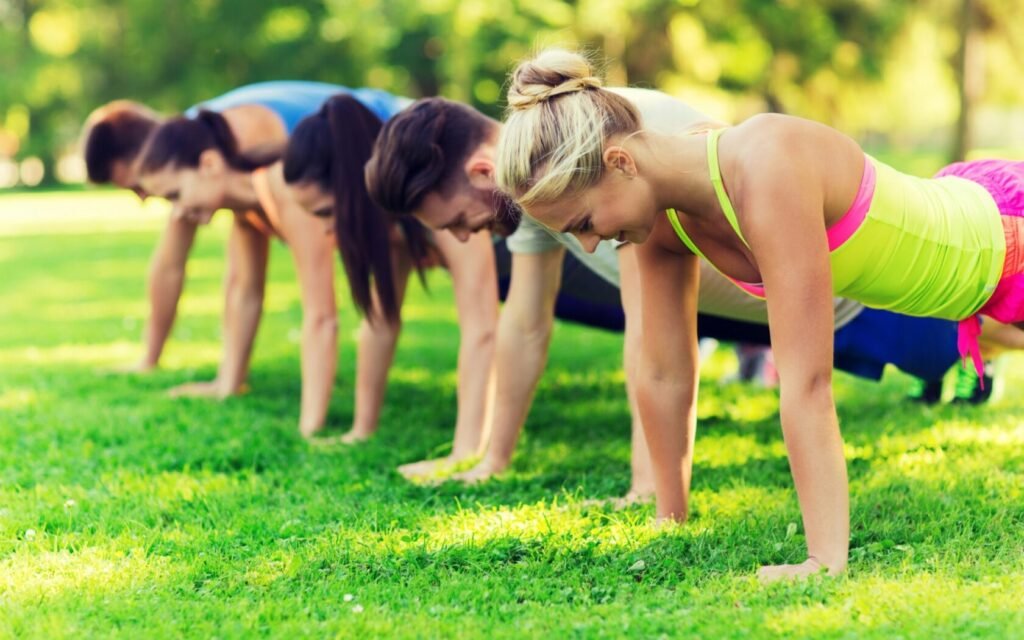
Exercise, Gym Sessions and Yoga are all key components of the daily regimens of the Millennials and Gen Z
Image Credit: StockShots
Hotels, cruise lines, and resorts are adapting by offering holistic wellness programs, integrating sleep therapy suites, nutrition workshops, and mindfulness coaching. The rise of “edutainment”—programs combining education and entertainment, such as menopause retreats or gut health camps—is turning wellness travel into a transformative learning experience.
Weight Management Evolves Beyond Dieting
With global obesity affecting more than one in eight people, weight management is becoming both a medical and lifestyle priority. Younger consumers in particular struggle with motivation and consistency, driving the growth of digital coaching, personalized meal plans, and even medically supervised options like GLP-1-based therapies.
As interest in prescription-based weight loss grows, so too does the ecosystem around it—encompassing gut health products, muscle-preserving fitness regimens, and fortified functional foods. The next phase of the weight management boom will focus on sustainability and self-acceptance rather than extreme dieting.
Mental Health as the Core of Modern Wellness
At the heart of this wellness revolution lies mental health. Gen Z and millennials report higher rates of anxiety and stress but are also leading the charge in seeking holistic solutions. Mindfulness, meditation apps, digital therapy, and self-care rituals are replacing outdated notions of therapy as taboo.
Younger consumers view mental well-being as interconnected with beauty, sleep, and physical health. From skincare routines designed to reduce stress to AI-driven mood-tracking apps, the new generation approaches mental health as an everyday commitment. Brands entering this space must differentiate themselves with authenticity, targeted offerings, and partnerships that amplify credibility.
The Future of Wellness Belongs to the Young
As wellness becomes a defining cultural force, it is clear that millennials and Gen Z are setting the tempo for global trends. They value transparency, personalization, and innovation. They expect wellness to be omnipresent—from what they eat and wear to how they travel and rest. Their behavior is shaping a wellness economy that is not just massive but deeply human-centered.
To succeed, brands must move beyond products and into holistic ecosystems that combine technology, science, and empathy. They must break barriers between categories by offering integrated health experiences. They need to emphasize expertise, communicating science-backed credibility in accessible ways. And above all, they must deliver value, not just in price but in tangible health outcomes, emotional connection, and purpose.
This new era of wellness, driven by millennial and Gen Z consumers, signals a permanent shift from passive health maintenance to active well-being creation. Those who listen, adapt, and innovate will thrive in the $2 trillion wellness revolution that shows no signs of slowing.
For the latest on the global wellness industry, keep on logging to Thailand Wellness News.